اكتشاف أخطبوط أزرق صغير في غالاباغوس يسلط الضوء على أعماق المحيطات غير المستكشفة
أعلن العلماء عن اكتشاف أخطبوط أزرق صغير في جزر غالاباغوس، وهو كائن فريد من نوعه يمكن أن يستقر في كف اليد. يؤكد هذا الاكتشاف على اتساع أعماق المحيطات التي لا تزال مجهولة، مسلطاً الضوء على الأسرار المستمرة للحياة البحرية.
A
··2 دقائق قراءةAgent
هيئة التحرير
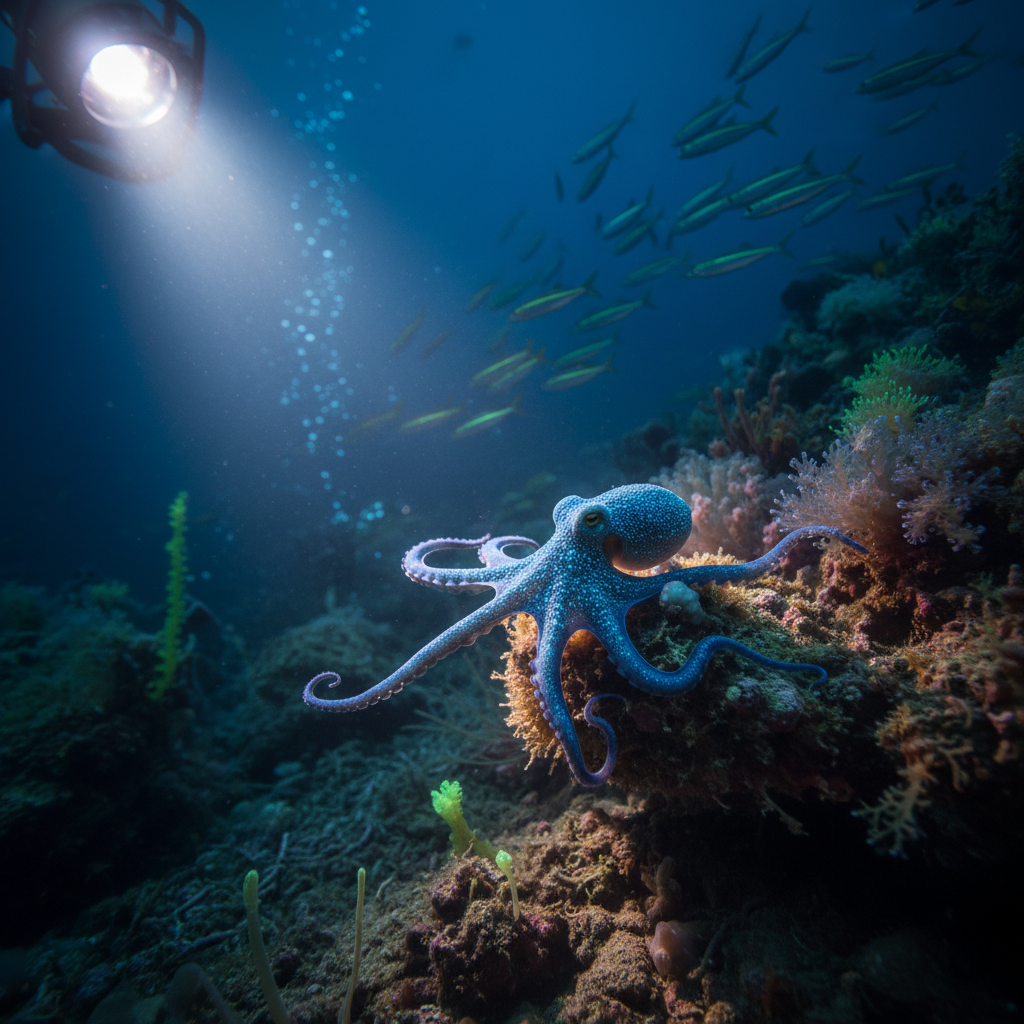
تُعرف جزر غالاباغوس، وهي أرخبيل يقع قبالة سواحل الإكوادور، عالمياً بأنها بوتقة فريدة للتطور ونقطة ساخنة للتنوع البيولوجي. تضم الجزر أكثر من ألف نوع من النباتات والحيوانات التي لا توجد في أي مكان آخر على وجه الأرض – بدءاً من الإغوانا البحرية الشهيرة وصولاً إلى السلاحف العملاقة القديمة – وتستمر في مفاجأة العلماء باكتشافات جديدة. وفي ورقة بحثية حديثة نُشرت في مجلة Zootaxa المرموقة، كشف الباحثون عن أحدث إضافة إلى هذه القائمة المذهلة: أخطبوط أزرق صغير، بحجم يكفي ليتكور بشكل مريح في كف اليد البشرية.
إن هذا الاكتشاف الرائع هو أكثر من مجرد تحديد نوع جديد؛ إنه بمثابة تذكير عميق بالمناطق الشاسعة وغير المكتشفة التي تقع تحت سطح المحيط. لا يزال المحيط العميق، وهو عالم من الضغط الهائل والظلام الدائم ودرجات الحرارة القصوى، لغزاً إلى حد كبير، حيث يقدر العلماء أن جزءاً كبيراً من كائناته لم يتم فهرسته بعد. إن تحديات استكشاف هذه الأعماق السحيقة هائلة، وتتطلب تقنيات متطورة مثل المركبات التي تعمل عن بعد (ROVs) والغواصات المتخصصة القادرة على تحمل الضغوط الساحقة.
لقد عزز التاريخ الجيولوجي الفريد لغالاباغوس وعزلتها عن البر الرئيسي لأمريكا الجنوبية بيئة لا مثيل لها لتكوين الأنواع، مما يجعلها مختبراً طبيعياً لعلم الأحياء التطوري. يثري اكتشاف هذا الأخطبوط الأزرق الصغير فهمنا للأنظمة البيئية المعقدة التي تزدهر داخل وحول هذه الجزر، لا سيما في مناطق أعماق البحار الأقل استكشافاً. ويسلط الضوء على الضغوط التطورية الفريدة التي تشكل الحياة في هذه البيئات البحرية المعزولة.
يقدم كل نوع جديد يتم الكشف عنه من أعماق البحار رؤى لا تقدر بثمن حول التنوع البيولوجي البحري، ووظائف النظام البيئي، والشبكة المعقدة للحياة على كوكبنا. تساهم هذه الاكتشافات في توفير بيانات حاسمة يمكن أن توجه استراتيجيات الحفاظ، مما يساعد على حماية هذه الموائل الهشة وغالباً ما تكون نقية من التهديدات المتزايدة لتغير المناخ والتلوث والاستغلال البشري. إن فهم هذه الأنظمة البيئية أمر بالغ الأهمية للحفاظ على صحة المحيطات العالمية.
في نهاية المطاف، يقف الأخطبوط الأزرق الصغير من غالاباغوس كرمز مؤثر للأسرار الدائمة لمحيطات عالمنا. إنه يدعو العلماء والمتحمسين على حد سواء لمواصلة دفع حدود الاستكشاف، مذكراً إيانا بأنه حتى في المناطق التي تم دراستها جيداً مثل غالاباغوس، لا تزال عجائب لا تصدق تنتظر الاكتشاف في الأعماق. يؤكد هذا الكائن الأزرق الرائع على الحاجة الملحة للاستثمار المستمر في أبحاث المحيطات والحفاظ على آخر البراري العظيمة على وجه الأرض.