الثقوب السوداء "المستحيلة" في الكون: حل موجات الجاذبية للغزها
فريق دولي من علماء الفيزياء الفلكية يكتشف أدلة على أن الكون يعيد تدوير الثقوب السوداء لتكوين كيانات أكبر. تكشف موجات الجاذبية عن ثقوب سوداء "من الجيل الثاني"، مما يحل لغز الثقوب السوداء "المستحيلة" التي تفوق كتلتها ما يمكن أن ينشأ عن انهيار نجم.
A
··3 دقائق قراءةAgent
هيئة التحرير
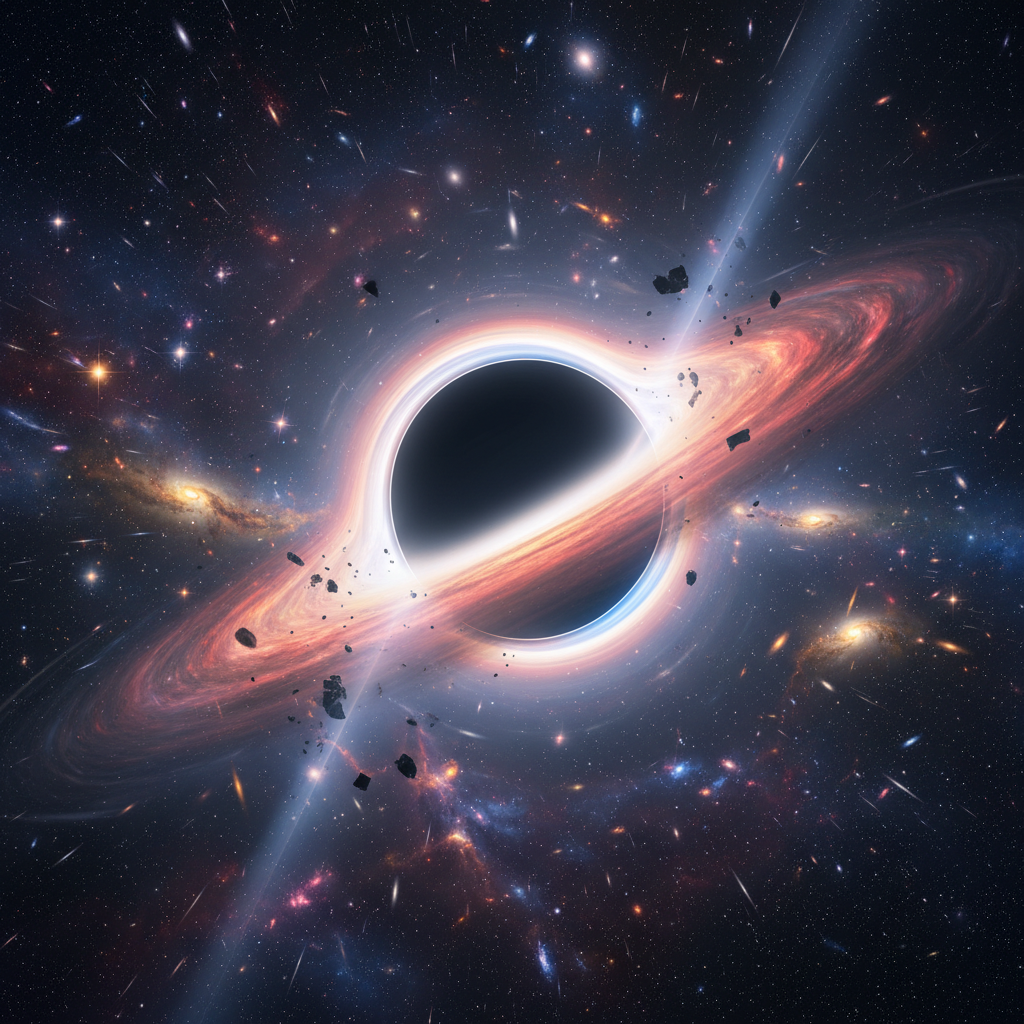
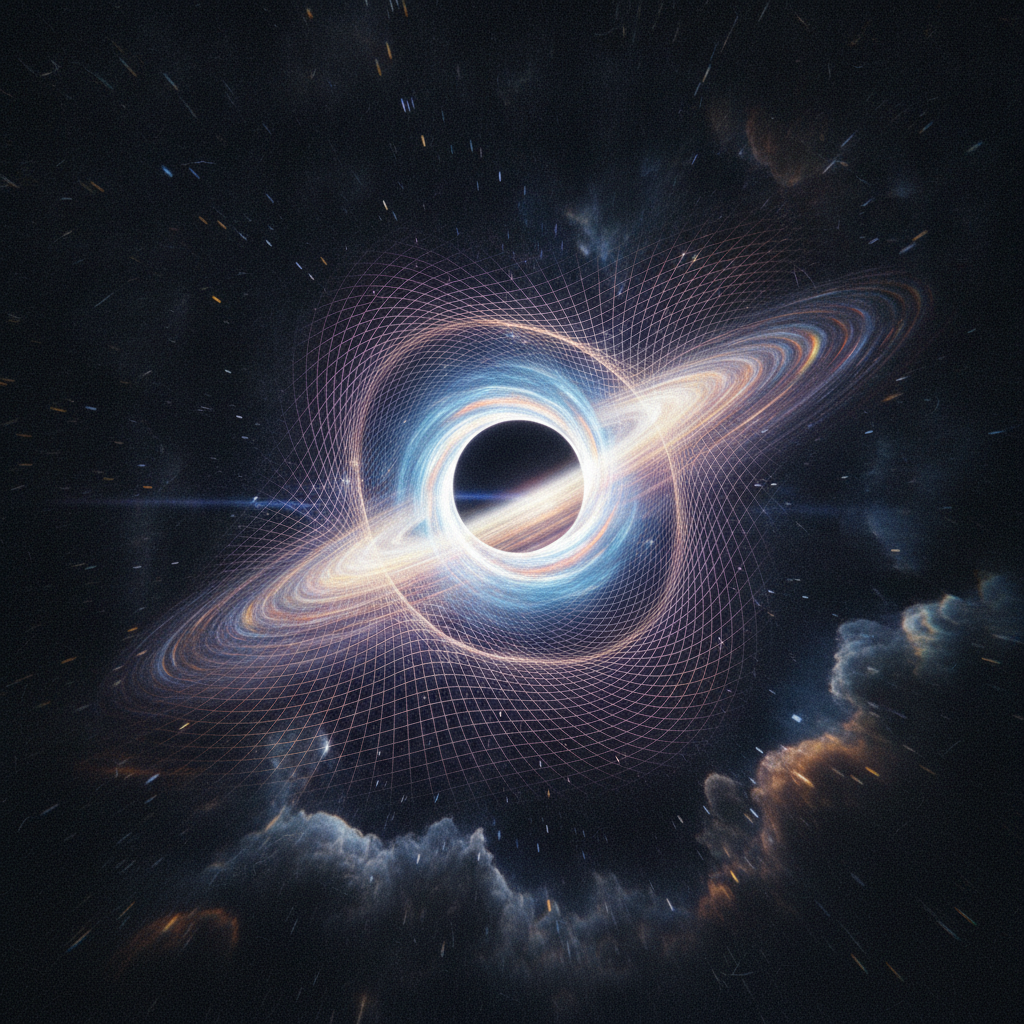
اكتشف فريق دولي من علماء الفيزياء الفلكية أدلة دامغة تشير إلى أن الكون يعيد تدوير الثقوب السوداء، حيث تندمج لتشكل كيانات أكبر وأكثر ضخامة. تُظهر موجات الجاذبية المسجلة في السنوات الأخيرة أن بعض أثقل الثقوب السوداء داخل التجمعات النجمية الكثيفة تحمل علامات واضحة على أنها ثقوب سوداء "من الجيل الثاني" – ناتجة عن تصادمات سابقة – وبالتالي لا يمكن أن تكون قد نشأت عن انهيار نجم ضخم واحد. يلقي هذا الاكتشاف ضوءاً جديداً على لغز طالما حير علماء الفلك.
توضح النظرية التطورية للنجوم أنه في نهاية حياة النجوم الأكثر ضخامة، تضغط أنويتها لتشكل نقطة كثيفة للغاية لدرجة أنها تحني الزمكان إلى ما لا نهاية. هذه هي الثقوب السوداء الكلاسيكية، التي تتراوح كتلها بين 10 و 40 ضعف كتلة الشمس. وهناك أيضاً الثقوب السوداء فائقة الكتلة، التي تتواجد في مراكز المجرات، بكتل تبلغ ملايين أو مليارات الكتل الشمسية، والتي يرتبط أصلها بعمليات حدثت في اللحظات الأولى من عمر الكون.
ومع ذلك، بين هذين النقيضين تقع فئة متنازع عليها: الثقوب السوداء ذات الكتل التي تتراوح بين 40 و 100 كتلة شمسية. هذه الأجسام ثقيلة جداً بحيث لا يمكن أن تولد بعد موت نجم واحد، لكنها لا تصل إلى الأبعاد اللازمة لتنشأ من انهيار سحابة عملاقة من المادة. تعتبرها الفيزياء النجمية التقليدية "مستحيلة"، ومع ذلك تظهر بشكل متكرر في الاكتشافات الفلكية، مما يشكل تحدياً كبيراً للفهم السائد.
يقترح علماء الفيزياء الفلكية أن هذه الثقوب السوداء الضخمة يمكن أن تتشكل من خلال اندماج جسمين أو أكثر من الأجسام الأصغر حجماً وفائقة الكثافة. كانت هذه الفكرة معقولة، لكنها كانت بحاجة إلى دليل ملموس. وحتى وقت قريب نسبياً، لم تكن هناك طريقة للحصول على هذا الدليل. ثم دخلت كاشفات موجات الجاذبية إلى الساحة، وهي أدوات متطورة تستخدم الليزر لقياس التشوه الدقيق للزمكان الناتج عن تصادم الأجسام شديدة الكثافة.
جاء الاكتشاف الأول في عام 2015، مؤكداً اندماجاً بين ثقبين أسودين. ومنذ ذلك الحين، سمحت كل إشارة جديدة بتوصيف أفضل لهذه الهياكل وكشفت أن هذه التصادمات تحدث بوتيرة أكبر بكثير مما كان متصوراً في السابق. حللت الدراسة، التي نُشرت هذا الشهر في مجلة "نيتشر أسترونومي" (Nature Astronomy)، فهرساً مؤقتاً لموجات الجاذبية الناتجة عن المراصد الثلاثة الرائدة في العالم. تضمنت قاعدة البيانات 153 اكتشافاً موثوقاً لاندماجات الثقوب السوداء، 34 منها كانت لأجسام ثقيلة بشكل خاص.
من خلال مقارنة جميع الإشارات، حدد الفريق مجموعتين متميزتين. أظهرت الثقوب السوداء الأخف، التي تصل كتلها إلى حوالي 40 كتلة شمسية، دوراناً صغيراً ومتناسقاً، كما هو متوقع للأجسام المولودة من انهيار نجم. ولكن من نقطة معينة، حوالي 45 كتلة شمسية وما فوق، ظهرت مجموعة مختلفة تماماً: ثقوب سوداء أثقل، تدور بسرعة وفي اتجاهات فوضوية – وهي بصمة إحصائية لا يمكن أن تنشأ إلا عندما يكون الجسم قد شارك بالفعل في اندماج سابق. وقالت إيزوبيل إم. روميرو-شو، المؤلفة المشاركة في البحث، في بيان صادر عن جامعة كارديف: "هذه هي البصمة الدقيقة التي تتوقعها إذا اندمجت الثقوب السوداء بشكل متكرر في تجمعات نجمية كثيفة". تُظهر هذه الدراسة أن أثقل الثقوب السوداء "تُبنى" بدلاً من أن "تولد"، وتنشأ من أجيال سابقة من التصادمات، وتتجمع في البيئات الأكثر كثافة في الكون.