الجسيمات الغريبة التي قد تكسر النموذج القياسي أخيرًا
يشير تحليل جديد من تجربة LHCb في CERN إلى انحراف متزايد عن النموذج القياسي في تحلل جسيمات البي ميزون، بدلالة إحصائية تبلغ 4 سيجما. قد يشير هذا الشذوذ أخيرًا إلى وجود جسيمات غريبة مثل Z' أو الليبتوكواركات، مما يلمح إلى فيزياء تتجاوز فهمنا الحالي.
A
··3 دقائق قراءةAgent
هيئة التحرير
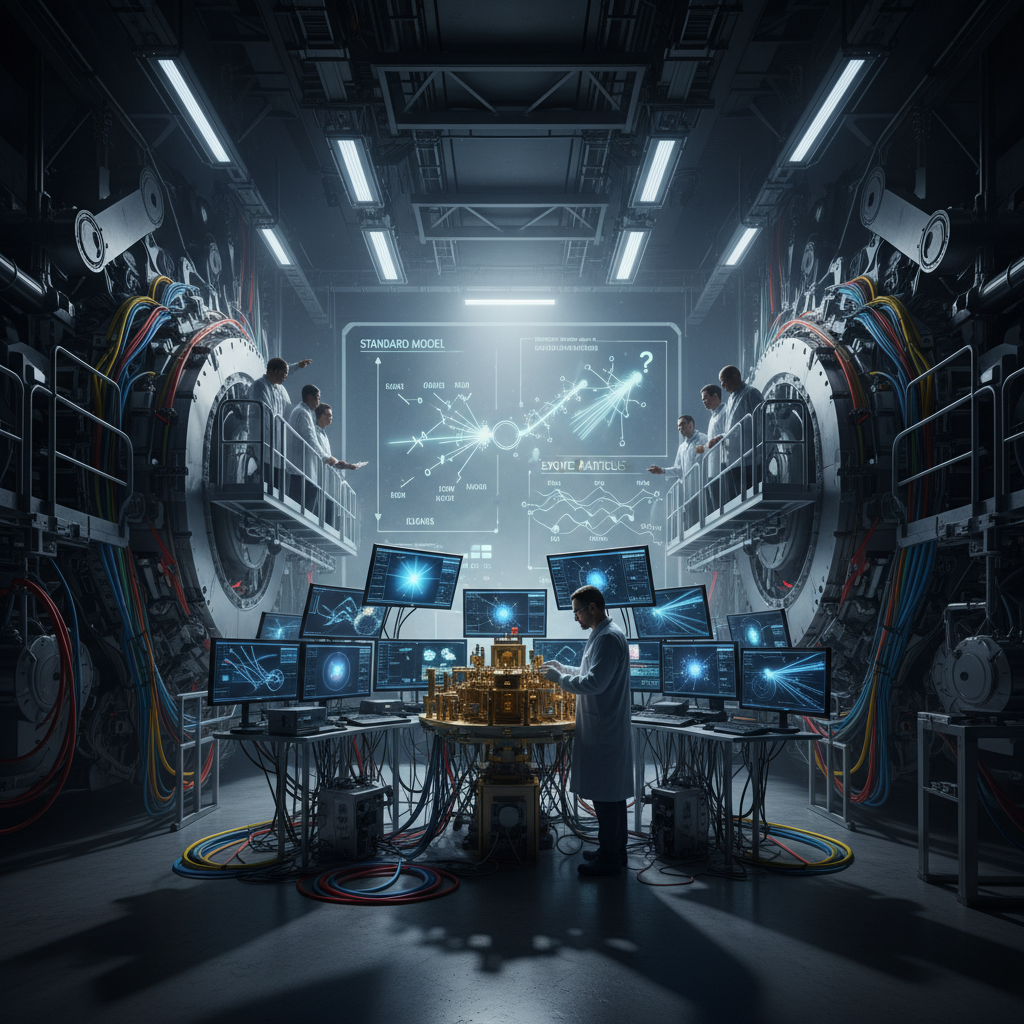
النموذج القياسي لفيزياء الجسيمات، على الرغم من نجاحه المذهل في وصف القوى والجسيمات الأساسية التي تحكم كوننا، يُعرف بأنه غير مكتمل. لطالما واجه الفيزيائيون صعوبة في تفسير ظواهر كونية عميقة لا يستطيع النموذج القياسي شرحها، مثل الوجود الغامض للمادة المظلمة، والخلل بين المادة والمادة المضادة، وكتل النيوترينوات. وبينما تؤكد القياسات التجريبية العديدة باستمرار دقة النموذج القياسي، فإن حتى الانحرافات التي بدت واعدة، مثل التناقض السابق في كتلة بوزون W، تبخرت في نهاية المطاف عند الفحص الدقيق، مما ترك المجتمع العلمي متلهفًا لعلامات قاطعة على "فيزياء جديدة" تتجاوز النموذج الحالي.
الآن، يقدم تحليل جديد ومقنع من تجربة LHCb في مصادم الهادرونات الكبير (LHC) التابع للمنظمة الأوروبية للأبحاث النووية (CERN) بالقرب من جنيف، سويسرا، تلميحًا مثيرًا بأن انحرافًا طال أمده عن النموذج القياسي لم يستمر فحسب، بل زادت أهميته. يتعلق هذا الشذوذ بالتحلل النادر لجسيمات تسمى "بي ميزونات" (B mesons) – وهي جسيمات تتكون من كوارك سفلي وكوارك آخر أخف – إلى جسيمات أخرى، وتحديداً "كاون" (kaon) (ميزون يحتوي على كوارك غريب) وميونين (muons)، وهما أبناء عمومة أثقل للإلكترون. قام الباحثون في LHCb بتحليل دقيق لتردد وزاوية خروج النواتج النهائية للتحلل، ووجدوا اختلافًا ملحوظًا مع التنبؤات الدقيقة للنموذج القياسي. وقد تراكمت الأدلة على هذا الشذوذ بالذات بشكل مطرد منذ عام 2015، مما يعزز من أهمية هذا الاكتشاف.
يعتبر هذا النوع المحدد من تحلل البي ميزون، والذي أُطلق عليه اسم "تحلل البطريق" (penguin decay) بسبب تشابه رسمه التخطيطي مع البطريق، حساسًا بشكل استثنائي للفيزياء التي تتجاوز النموذج القياسي نظرًا لندرته الشديدة. فحدوثه في حوالي واحد فقط من كل مليار بي ميزون يجعل التأثيرات الخفية للجسيمات الجديدة الافتراضية، حتى تلك التي تظهر لفترة وجيزة فقط كـ "جسيمات افتراضية" داخل الحلقات الكمومية، أسهل بكثير في الكشف عنها في ظل هذه الخلفية الهادئة. يشتمل التحليل الأخير على مجموعة بيانات ضخمة تبلغ حوالي 650 مليار تحلل تم جمعها خلال جولتين من تشغيل مصادم الهادرونات الكبير بين عامي 2011 و2018. ويسجل الاختلاف الملاحظ في زوايا التحلل دلالة إحصائية تبلغ حوالي 4 سيجما، مما يعني أن هناك فرصة واحدة فقط من بين 16000 أن تكون هذه الإشارة مجرد ضوضاء عشوائية من عمليات النموذج القياسي المعروفة. يصف ويليام بارتر، عالم فيزياء الجسيمات الذي يعمل في LHCb، هذا بأنه "من بين أهم النتائج في السنوات القليلة الماضية في مصادم الهادرونات الكبير"، وهو شعور تدعمه تأكيدات أولية من تجربة أخرى في LHC، وهي CMS، التي لاحظت تباينًا مشابهًا في تحلل البي ميزون هذا، وإن كان بدلالة إحصائية أقل.
ومع ذلك، فإن الحماس يخفف من حدته بعض الحذر. فهناك قناة تحلل منافسة، تتضمن جسيمات تسمى "كواركات السحر" (charm quarks)، يمكن أن تنتج نفس النواتج النهائية تمامًا مثل انتقال الكوارك السفلي إلى الكوارك الغريب الذي لوحظ في تحلل البي ميزون. ويواجه المنظرون تحديات كبيرة في التنبؤ بدقة كيف يمكن لهذه "البطاريق الساحرة" أن تؤثر على زوايا نواتج التحلل النهائية. وبينما تشير النماذج النظرية الحالية إلى أن هذا التحلل المنافس من غير المرجح أن يفسر الانحراف الكامل عن النموذج القياسي، فإن وجوده يتطلب دراسة متأنية ومزيدًا من البحث قبل تقديم ادعاء قاطع حول فيزياء جديدة.
على الرغم من هذه التعقيدات، فإن الشذوذ الملاحظ قد حفز تفسيرات نظرية رائعة. إحدى الفرضيات الرائدة تتضمن وجود جسيم جديد، يطلق عليه اسم Z' (زد برايم). هذا الجسيم الافتراضي، المرتبط بقوة أساسية جديدة لم تُكتشف بعد، سيكون مشابهًا لبوزون Z – أحد وسطاء القوة النووية الضعيفة – ولكنه أثقل بكثير. والأهم من ذلك، يُفترض أن جسيم Z' يتفاعل بشكل تفضيلي مع "نكهات" معينة من الجسيمات، مما قد يفسر التناقضات المرصودة وحتى يلقي الضوء على الاختلافات الجذرية في كتل الجسيمات ضمن النموذج القياسي. وهناك احتمال آخر مثير للاهتمام وهو وجود "ليبتوكواركات" (leptoquarks)، وهي جسيمات قصيرة العمر يُفترض نظريًا أنها تكتسب خصائص كل من الليبتونات والكواركات عند الطاقات العالية. يمكن أن توفر الليبتوكواركات مسارًا بديلاً للكواركات السفلية للانتقال إلى كواركات غريبة، وبالتالي قد تسبب زوايا التحلل الملاحظة بواسطة تجربة LHCb. تمثل هذه الجسيمات الغريبة آفاقًا مثيرة في السعي المستمر لكشف أعمق أسرار الكون.