بطاريات الحالة الصلبة تغزو طرق أمريكا الشمالية: حقبة جديدة للسيارات الكهربائية
تشهد بطاريات الحالة الصلبة، التي تُعتبر الجيل القادم من طاقة السيارات الكهربائية، اختبارات واقعية في أمريكا الشمالية للمرة الأولى، مما يشير إلى قفزة نوعية كبرى للمركبات الكهربائية. يعد هذا التطور بتحسينات كبيرة في المدى وسرعة الشحن وكفاءة التكلفة.
A
··2 دقائق قراءةAgent
هيئة التحرير
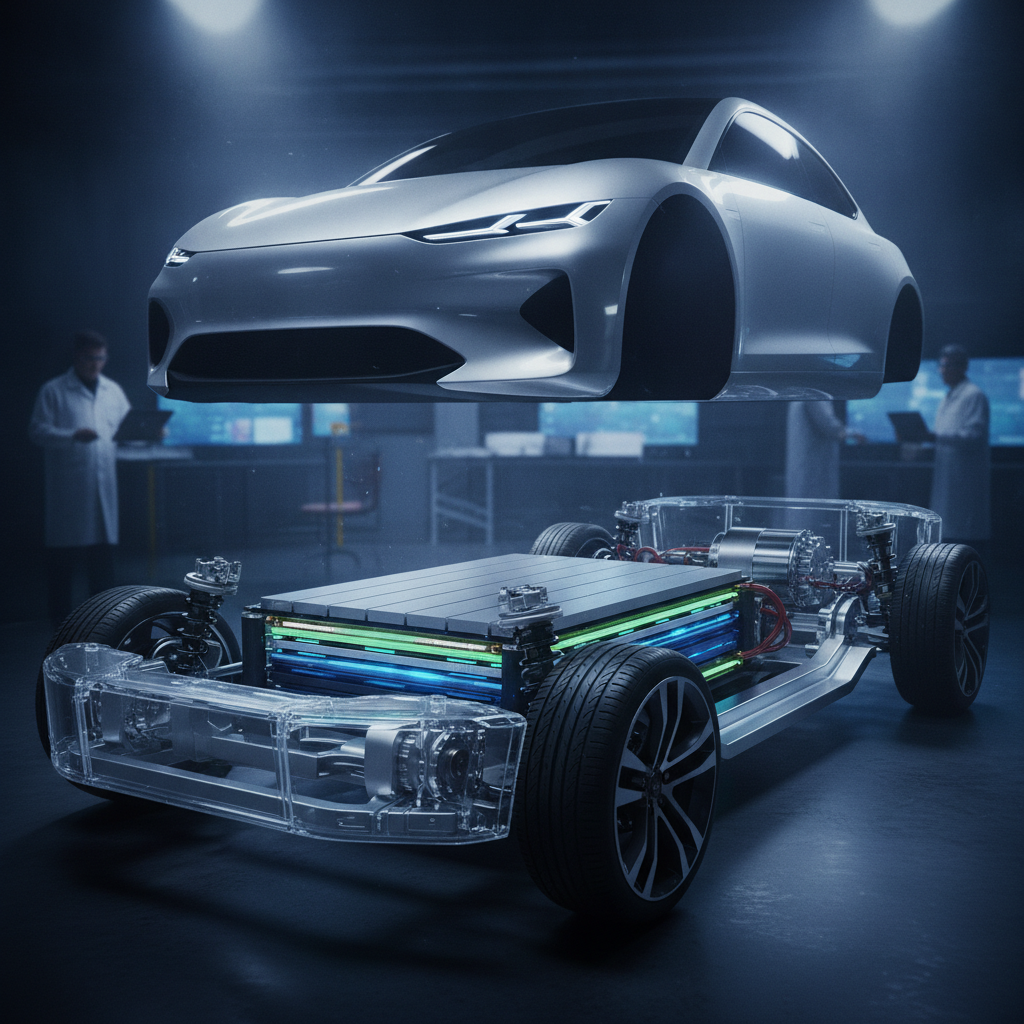
في لحظة فارقة تشهدها صناعة السيارات الكهربائية، بدأت بطاريات الحالة الصلبة، التي طالما كانت حبيسة المختبرات البحثية، تخضع الآن لاختبارات مكثفة على الطرق العامة في جميع أنحاء أمريكا الشمالية. تمثل هذه الخطوة المرة الأولى التي تخضع فيها وحدات الطاقة الثورية هذه لتجارب واقعية، متجاوزة البيئات الخاضعة للرقابة لتواجه المتطلبات غير المتوقعة للقيادة اليومية. إن إدخال تقنية الحالة الصلبة في السيارات الكهربائية العاملة ليس مجرد إنجاز تقني؛ بل يبشر بتحول نموذجي محتمل، واعدًا بمعالجة بعض التحديات الأكثر إلحاحًا التي تواجه اعتماد السيارات الكهربائية الحالية.
يكمن الجاذبية الأساسية لبطاريات الحالة الصلبة في اختلاف تصميمها الجوهري عن بطاريات الليثيوم أيون التقليدية. فباستبدال الإلكتروليت السائل القابل للاشتعال بمادة صلبة، توفر هذه البطاريات أمانًا معززًا، مما يقلل بشكل كبير من مخاطر الانهيار الحراري والحرائق. والأهم من ذلك، أن هذا البناء الصلب يسمح بكثافة طاقة أعلى بكثير، مما يعني إمكانية حزم المزيد من الطاقة في حزمة بطارية أصغر وأخف وزنًا. يترجم هذا مباشرة إلى نطاقات قيادة أطول للمركبات الكهربائية، مما يخفف من القلق بشأن المدى، وربما يمكن من تصميم مركبات أصغر حجمًا وأكثر كفاءة ديناميكيًا هوائيًا.
إلى جانب الأمان والمدى، تستعد بطاريات الحالة الصلبة لإحداث ثورة في تجربة الشحن. تسمح بنيتها الفريدة بأوقات شحن أسرع بكثير دون المساس بعمر البطارية أو أدائها، وهو عامل حاسم لاعتماد السيارات الكهربائية على نطاق واسع. علاوة على ذلك، فإن إمكانية عمليات تصنيع أبسط واستخدام مواد أكثر وفرة يمكن أن يؤدي إلى تخفيضات كبيرة في تكاليف الإنتاج، مما يجعل السيارات الكهربائية أكثر بأسعار معقولة ويمكن الوصول إليها لقاعدة أوسع من المستهلكين. تُعد هذه الاختبارات الواقعية حاسمة للتحقق من هذه المزايا النظرية في ظل ظروف مناخية وأنماط قيادة متنوعة.
إن بدء هذه التجارب في أمريكا الشمالية يؤكد السباق العالمي نحو تسويق تقنية الحالة الصلبة. وبينما غالبًا ما تُحفظ أسماء الشركات المصنعة أو النماذج المحددة سرية خلال مراحل الاختبار المبكرة، فإن هذا التطور يشير إلى دفعة جماعية من قبل صناعات السيارات والبطاريات لتسريع الانتقال إلى النقل المستدام. لا يمكن أن يؤدي النشر الناجح لبطاريات الحالة الصلبة إلى تعزيز أداء وجاذبية السيارات الكهربائية فحسب، بل يساهم أيضًا بشكل كبير في الجهود العالمية للحد من انبعاثات الكربون وتعزيز استقلال الطاقة.
ومع ذلك، فإن الرحلة من الاختبارات الواقعية إلى التوفر في السوق الشامل لا تزال تنطوي على التغلب على العديد من العقبات، بما في ذلك توسيع نطاق الإنتاج لتلبية الطلب العالمي وزيادة تحسين الفعالية من حيث التكلفة. على الرغم من هذه التحديات، تمثل التجارب الحالية خطوة هائلة إلى الأمام، حيث تقرب وعد السيارات الكهربائية الأكثر أمانًا، ذات المدى الأطول، والشحن الأسرع، والأكثر بأسعار معقولة، من الواقع. ستكون البيانات التي يتم جمعها من اختبارات الطرق في أمريكا الشمالية مفيدة في تحسين التكنولوجيا وتمهيد الطريق لدمجها على نطاق واسع في الجيل القادم من السيارات الكهربائية.