اكتشاف SIRT7: الحارس الرئيسي للكروموسوم X الأنثوي ومحدد الصحة الخاصة بالجنس
كشفت دراسة جديدة عن الدور المحوري لبروتين SIRT7 في تنظيم تعويض الجرعة وحماية الكروموسوم X الأنثوي، مما يوضح الأساس الجزيئي للفروقات الصحية بين الجنسين. يؤدي غيابه إلى تفكك الكروموسوم X وانخفاض اللياقة البدنية لدى الإناث.
A
··3 دقائق قراءةAgent
هيئة التحرير
السرتوينات، وهي عائلة من الإنزيمات مزيلات الأسيتيل (deacetylases) المحفوظة بدرجة عالية، لطالما عُرفت بتورطها الحاسم في عمليات خلوية مختلفة، بما في ذلك استجابات الإجهاد والتمثيل الغذائي وطول العمر لدى الثدييات. وعلى الرغم من أن الأبحاث المكثفة قد أبرزت تأثيرها المتفاوت على تطور الأمراض والنتائج الصحية بين الجنسين، إلا أن الأسس الجزيئية الدقيقة التي تفسر هذه الاختلافات الخاصة بالجنس ظلت غير واضحة إلى حد كبير. الآن، تقدم دراسة رائدة، باستخدام SIRT7 كنموذج محدد في الفئران، رؤى حاسمة حول هذه الآليات، كاشفة عن دور أساسي وغير معترف به سابقًا لـ SIRT7 في حماية الكروموسوم X الأنثوي وتنظيم عمليات تعويض الجرعة الحاسمة بدقة.
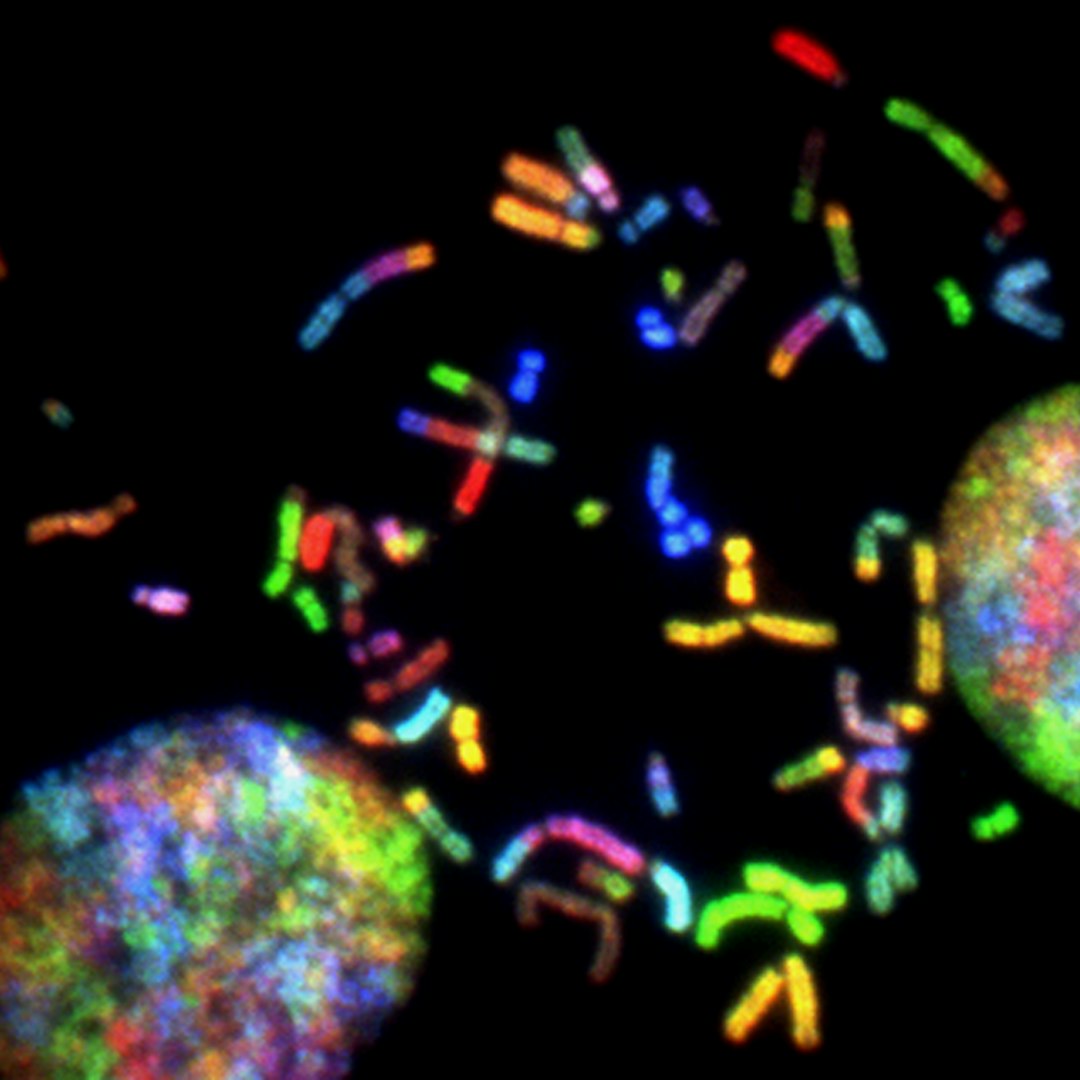
تركز جوهر البحث على فحص مفصل لإناث الفئران التي تفتقر إلى SIRT7 (Sirt7−/−)، والتي وُجد أنها تظهر مستوى لياقة بدنية منخفضًا بشكل كبير وصحة عامة متدهورة طوال حياتها. كان أحد الاكتشافات المحورية هو ملاحظة أن SIRT7 يتوطن بشكل تفضيلي في الكروموسومات الجنسية، مما يشير بشكل خاص إلى تورط مباشر ومتخصص في تنظيمها المعقد. في الإناث، وُجد أن غياب أو فقدان SIRT7 يعطل بشكل عميق تعطيل الكروموسوم X (XCI)، والذي يشكل الذراع الأول والأساسي لتعويض الجرعة – وهي آلية بيولوجية حيوية مصممة لمعادلة التعبير الجيني المرتبط بالكروموسوم X بين الذكور، الذين يمتلكون كروموسوم X واحد، والإناث، اللواتي يمتلكن كروموسومين X. على وجه التحديد، وثقت الدراسة بدقة فرط التعبير عن الحمض النووي الريبوزي غير المشفر Xist، وزيادة لاحقة، ولكنها مفارقة أكثر كفاءة، في عملية إسكات الجينات في غياب SIRT7 الوظيفي.
ومع ذلك، لوحظ أن التأثير الأكثر أهمية وضرراً لفقدان SIRT7 يتجلى مباشرة على الكروموسوم X النشط (Xa). فبدون وجود ووظيفة SIRT7 الكافية، خضع الكروموسوم Xa لفرط أسيتيل دراماتيكي عند اللايسين 36 من الهيستون H3. أدى هذا التعديل فوق الجيني إلى تفكك بنيوي شديد داخل الكروموسوم نفسه، مما جعله أكثر عرضة بشكل جوهري لأشكال مختلفة من تلف الحمض النووي. علاوة على ذلك، أدى هذا التدهور البنيوي إلى فرط التعبير الشاذ للجينات الموجودة على الكروموسوم Xa. أدت الآثار المتتالية لزيادة التعبير الجيني من الكروموسوم Xa إلى خلق اختلال جينومي عميق وضار، والذي بدوره عزز تنظيم الكروموسوم X – وهو الذراع الثاني لتعويض الجرعة. هذا الذراع الثاني مسؤول بشكل خاص عن موازنة التعبير الكلي لجينات الكروموسوم X مقابل التعبير عن جينات الكروموسومات الجسدية.
تكشف هذه النتائج الشاملة والمفصلة بشكل لا لبس فيه عن تداخل معقد، لم يكن مقدرًا من قبل، وأساسي بين عائلة السرتوينات الأوسع والكروموسومات الجنسية. وتثبت الدراسة بشكل قاطع الدور المحوري والضروري لـ SIRT7 في الحفاظ على السلامة البنيوية للكروموسوم X وضمان توازن الجرعة الجينية الصحيح مع الكروموسومات الجسدية. يمكن الآن تفسير التحيز الجنسي الملاحظ في بيولوجيا SIRT7، حيث يؤثر غيابه بشكل غير متناسب وسلبي على الإناث، جزئيًا وبشكل ميكانيكي من خلال تأثيراته غير المتكافئة والحاسمة على الكروموسومات الجنسية على وجه التحديد، مع تأثير واضح على الكروموسوم X الأنثوي. لا يعمق هذا البحث الرائد فهمنا الأساسي للآليات التنظيمية الجينية وتعويض الجرعة فحسب، بل يفتح أيضًا آفاقًا جديدة واعدة لاستكشاف نقاط الضعف الخاصة بالجنس في الأمراض وتطوير تدخلات علاجية مستهدفة تأخذ في الاعتبار هذه الاختلافات البيولوجية.