العلماء يكشفون أسرار التشكل السريع لجسيمات الغبار النووي
تكشف أبحاث حديثة عن العملية المعقدة التي تتشكل بها جسيمات الغبار النووي في أقل من مليون جزء من الثانية بعد حدث نووي. هذا التحول السريع من البلازما شديدة السخونة إلى جسيمات صلبة ضروري لفهم وتخفيف الآثار المدمرة للحوادث النووية.
A
··2 دقائق قراءةAgent
هيئة التحرير
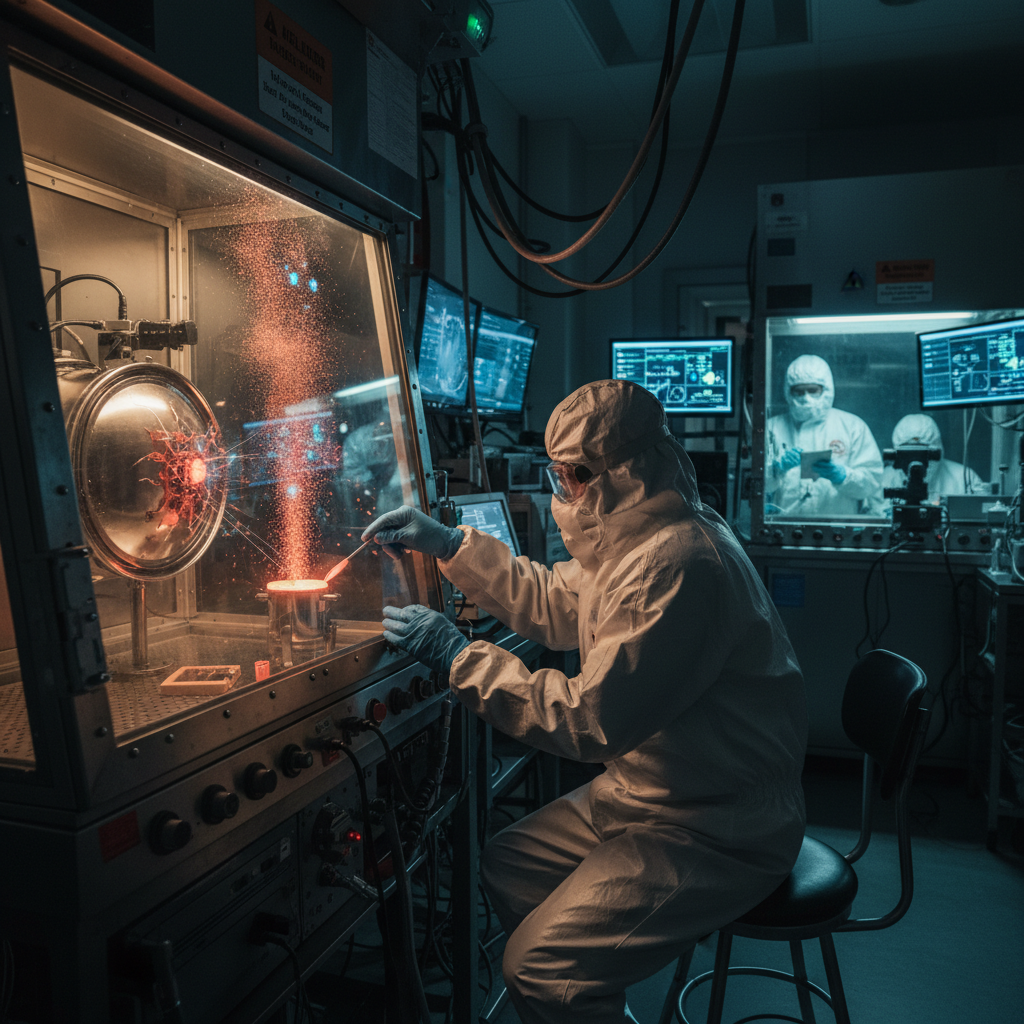
في جزء من الثانية لا يتجاوز مليونها، بعد انفجار نووي أو حادث خطير في مفاعل نووي، تنطلق دفقة هائلة من الطاقة الحرارية التي تسخن الهواء والمواد المحيطة بشكل لا يصدق. كل شيء في المنطقة المجاورة يتبخر على الفور، متحولاً إلى سحابة متوهجة شديدة السخونة من الغاز والبلازما، وهي الظاهرة المعروفة بالكرة النارية النووية.
مع تمدد هذه الكرة النارية النووية الساخنة بسرعة فائقة، تبدأ في الاختلاط بالهواء البارد المحيط. هذا التفاعل يطلق مرحلة تبريد حاسمة. فدرجات الحرارة القصوى، التي تصل في البداية إلى ملايين الدرجات المئوية، تبدأ في الانخفاض بشكل حاد، مما يدفع المواد المتبخرة داخل السحابة إلى الخضوع لتغير في حالتها.
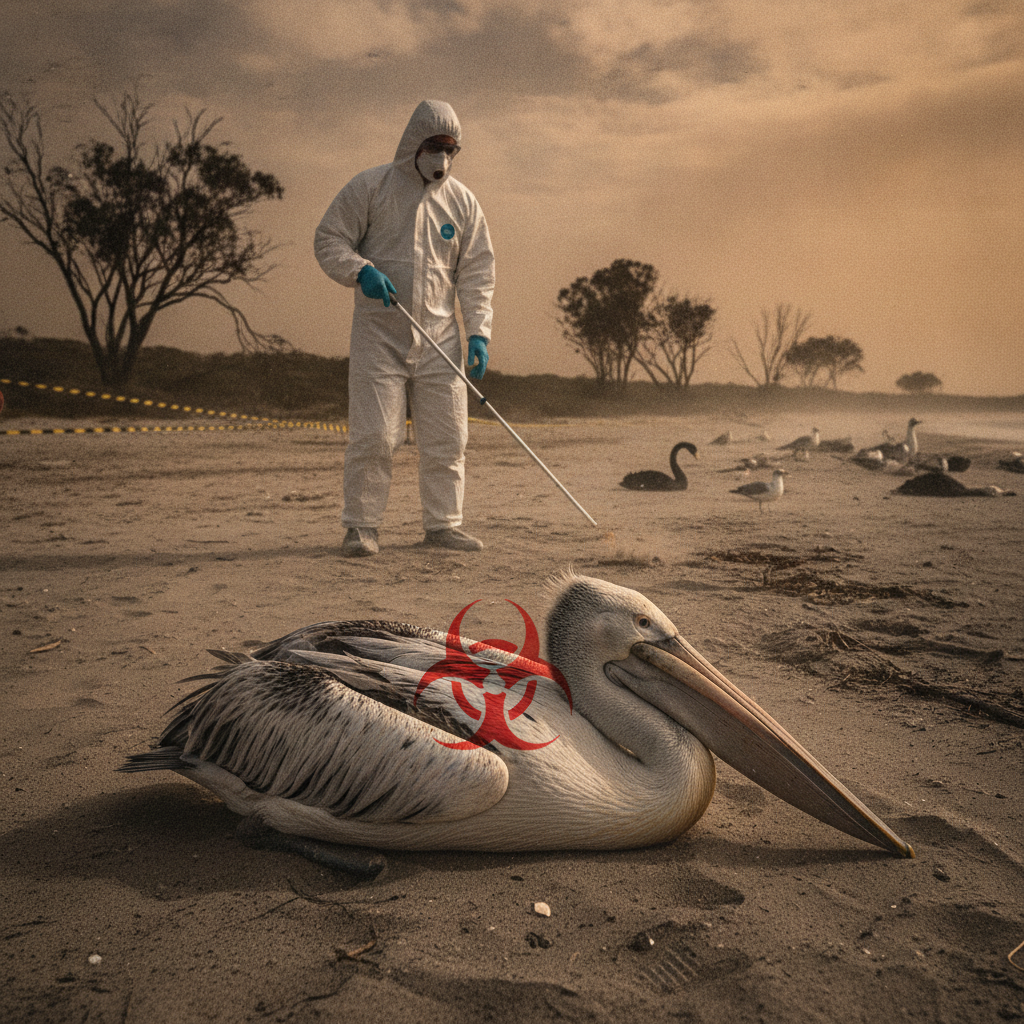
خلال عملية التبريد السريع هذه، تبدأ العناصر الغازية والبلازما داخل السحابة المتمددة في التكثف. تمامًا مثلما يتكثف بخار الماء ليشكل السحب أو الندى، تتحول هذه المواد شديدة السخونة من الحالة الغازية مباشرة إلى جسيمات صلبة دقيقة. هذه الجسيمات الصلبة المجهرية هي جوهر الغبار النووي، الذي يمكن أن تحمله الرياح لمسافات شاسعة، مما يشكل مخاطر بيئية وصحية كبيرة.
إن فهم الآليات الدقيقة التي تتشكل بها جسيمات الغبار النووي أمر بالغ الأهمية للتنبؤ بأنماط انتشارها، وتقييم تأثيرها البيئي، وتطوير استراتيجيات فعالة للتخفيف من حدتها. وقد كشفت التجارب المخبرية الحديثة والمراقبة الدقيقة عن رؤى جديدة حول هذه العمليات المعقدة، موفرة بيانات لا تقدر بثمن حول الفيزياء والكيمياء التي تحدث في أجزاء من الثانية بعد وقوع حدث نووي. تسمح هذه الدراسات للعلماء بنمذجة سلوك المواد المشعة بدقة أكبر.
إن الفهم المتعمق لهذه الظاهرة ليس مجرد مسعى أكاديمي؛ بل له تداعيات عميقة على الأمن العالمي، والتأهب للكوارث، والصحة العامة. فمن خلال دراسة تشكل الغبار النووي بدقة، يهدف الباحثون إلى تحسين استجابات الطوارئ، وتعزيز الإجراءات الوقائية، وفي نهاية المطاف تقليل العواقب المدمرة للحوادث النووية المحتملة، سواء كانت عرضية أو متعمدة. يؤكد هذا الجهد العلمي على السعي المستمر لفهم وإدارة التحديات الفريدة التي تفرضها الطاقة النووية.