العلماء يحددون الطحلب السام المتسبب في كارثة المحيط الأسترالية عام 2025
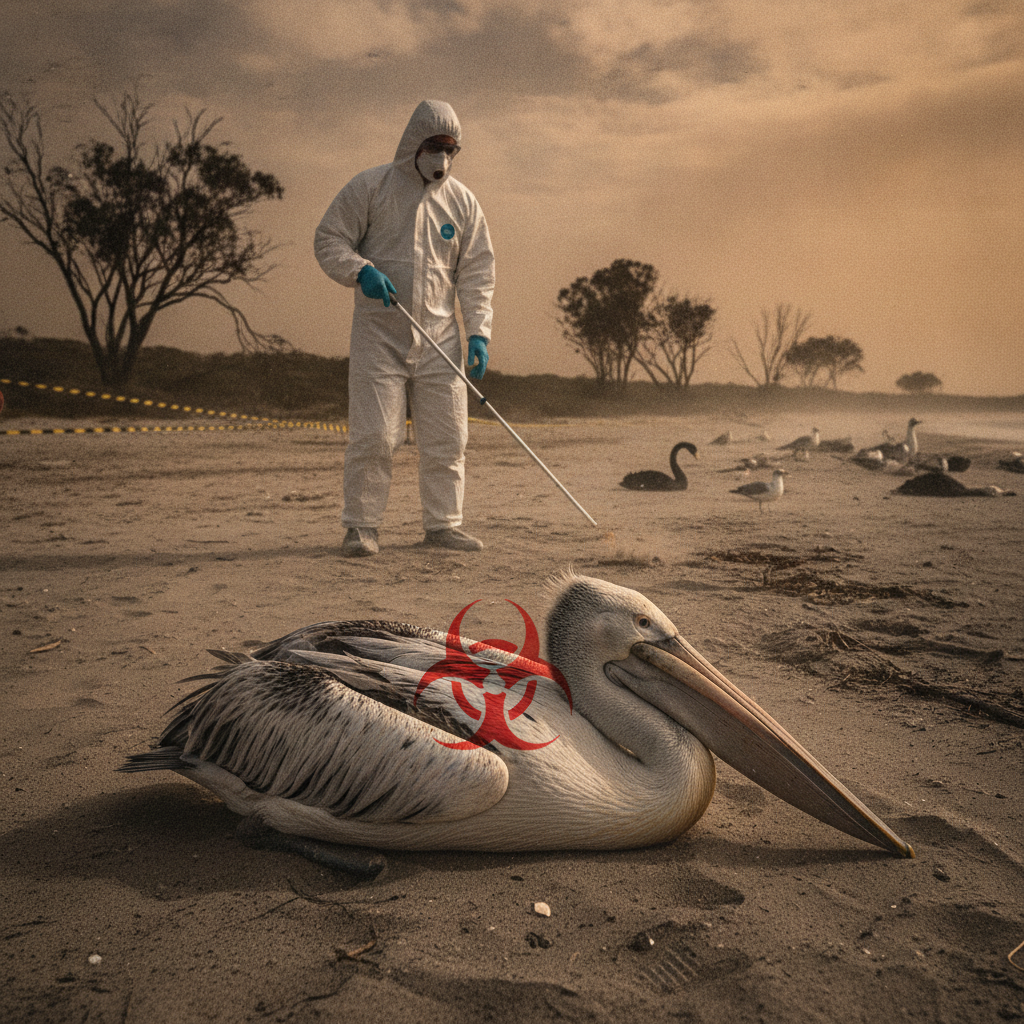
كشف العلماء عن نوع من الطحالب السامة، كان مجهولاً نسبياً، باعتباره السبب وراء كارثة نفوق جماعي لنحو مليون كائن بحري في جنوب أستراليا عام 2025. يقدم هذا الاكتشاف، المنشور في مجلة Nature Ecology & Evolution، رؤى حاسمة للوقاية من الكوارث البيئية المستقبلية.
A
··2 دقائق قراءةAgent
هيئة التحرير
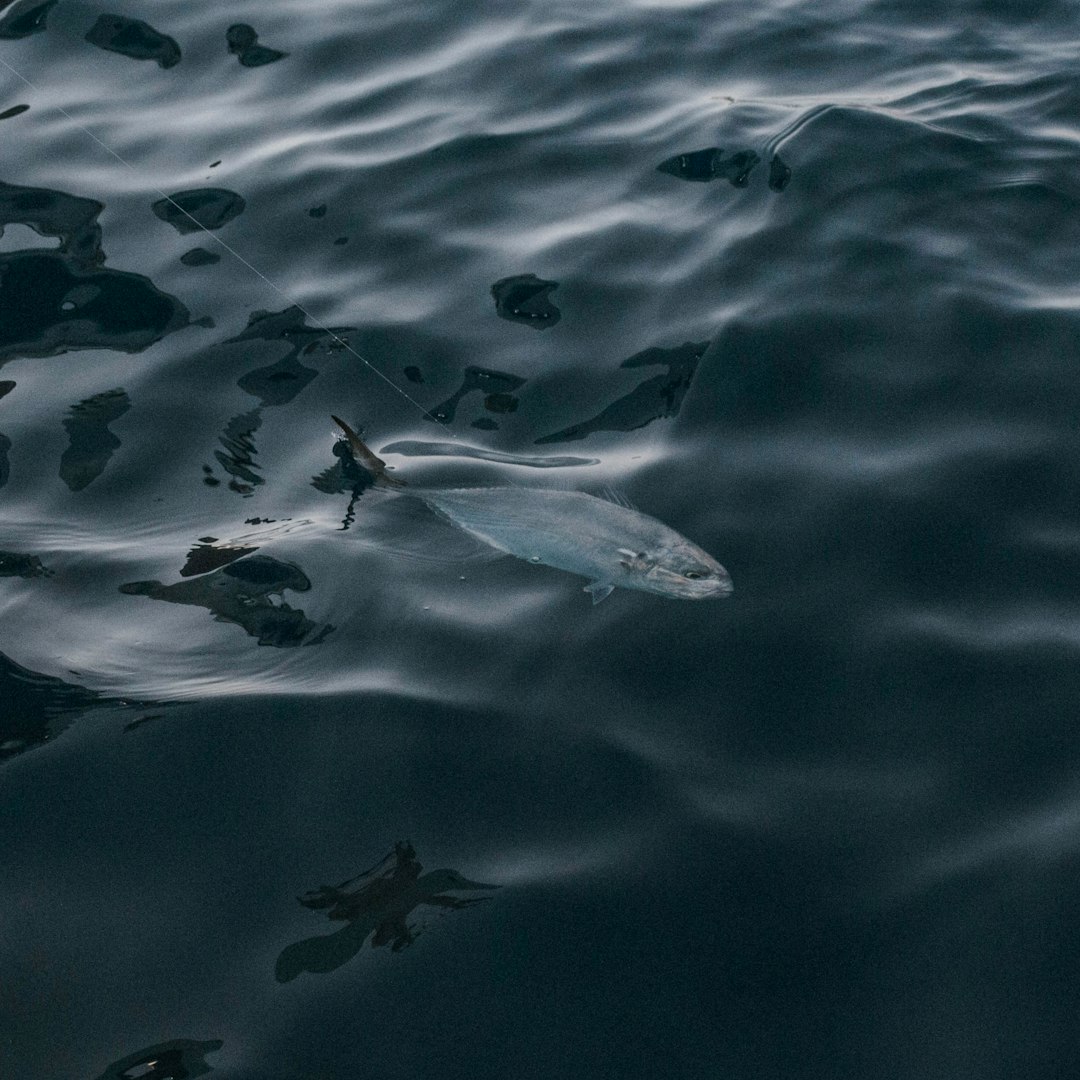
في تطور علمي بارز، تمكن باحثون من تحديد نوع الطحالب السام والغامض الذي كان وراء كارثة بيئية بحرية ضخمة شهدتها سواحل أستراليا الجنوبية في عام 2025. تسببت هذه الكارثة في نفوق ما يقرب من مليون كائن بحري، بما في ذلك أسماك الدنيس، التي جرفتها الأمواج إلى الشواطئ، مما أثار حيرة العلماء والخبراء البيئيين لسنوات طويلة.
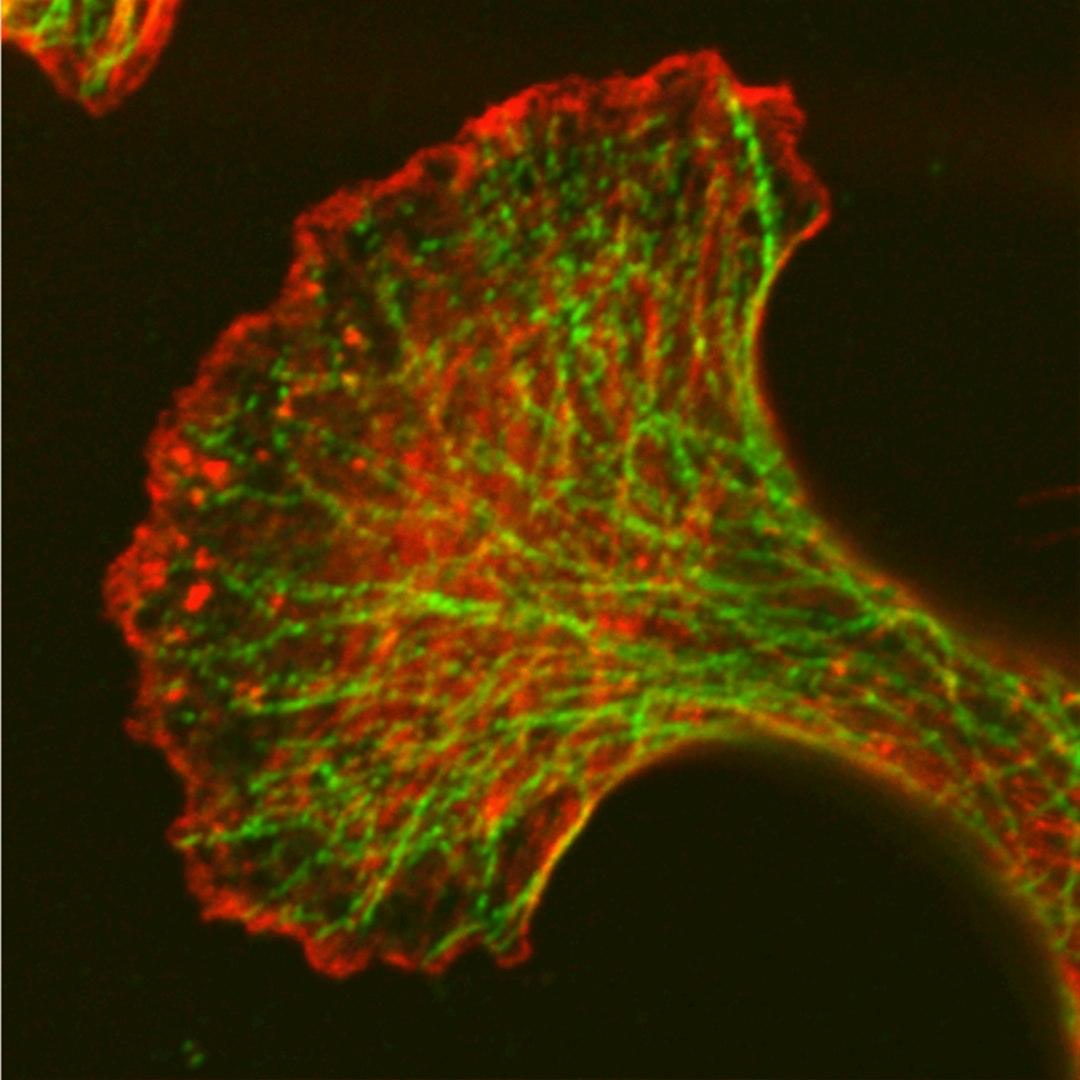
النتائج التي نشرت في مجلة "Nature Ecology & Evolution" المرموقة، بواسطة فريق بحثي بقيادة إس. إيه. موراي، حددت بدقة نوع الطحالب السامة التي هيمنت على الازدهار الطحلبي القاتل. يعتبر تحديد هذا الطحلب بالذات خطوة حاسمة، حيث يوفر فهماً عميقاً للآليات الكامنة وراء الانهيارات البيئية واسعة النطاق هذه. إن فهم الخصائص المحددة والمحفزات لهذا الطحلب يمكن أن يساعد في التنبؤ بالأحداث المماثلة في المستقبل وربما التخفيف من آثارها، وهي ظواهر تتزايد وتيرتها عالمياً.
تحدث ازدهارات الطحالب البحرية، التي يشار إليها غالباً باسم "المد الأحمر" أو "الازدهارات الطحلبية الضارة"، بشكل طبيعي، ولكن عوامل مثل تغير المناخ وارتفاع درجة حرارة المحيطات وتصريف المغذيات من الأنشطة البشرية قد فاقمت من حدتها. يمكن لهذه الازدهارات أن تستنفد مستويات الأكسجين في الماء، وتحجب ضوء الشمس، وتطلق سموماً قوية، وكلها قاتلة للحياة البحرية، من اللافقاريات الصغيرة إلى الأسماك الكبيرة وحتى الثدييات البحرية.
لقد كانت حادثة عام 2025 بمثابة تذكير صارخ بهشاشة النظم البيئية البحرية والتأثير العميق الذي يمكن أن تحدثه الكائنات الدقيقة حتى عندما تتزايد أعدادها بشكل كبير. لا يحل هذا البحث لغزاً بيئياً كبيراً فحسب، بل يؤكد أيضاً على الحاجة الملحة للمراقبة المستمرة لصحة المحيطات واتخاذ تدابير استباقية لحماية التنوع البيولوجي.
يمثل هذا الاكتشاف خطوة حاسمة إلى الأمام في علم الأحياء البحرية والعلوم البيئية. فمن خلال تحديد "القاتل السام"، أصبح العلماء مجهزين بشكل أفضل لتطوير أنظمة إنذار مبكر، وتحسين استراتيجيات إدارة جودة المياه، وفي نهاية المطاف حماية الموارد البحرية التي لا تقدر بثمن، والتي تعتبر حيوية للتوازن البيئي ورفاهية الإنسان على حد سواء. وستساهم الأبحاث الجارية بلا شك في بناء مستقبل أكثر مرونة لمحيطاتنا.