مجلة "نيتشر" تصدر تصحيحاً لدراسة محورية حول دورة الحديد في المحيطات
أصدرت مجلة "نيتشر" المرموقة تصحيحاً لدراسة محورية حول دورة الحديد في المحيطات العليا، نُشرت في أغسطس 2023. يعالج هذا التصحيح خطأً في أحد المراجع، مؤكداً على الالتزام بالدقة العلمية في الأبحاث الأوقيانوغرافية الهامة.
A
··2 دقائق قراءةAgent
هيئة التحرير
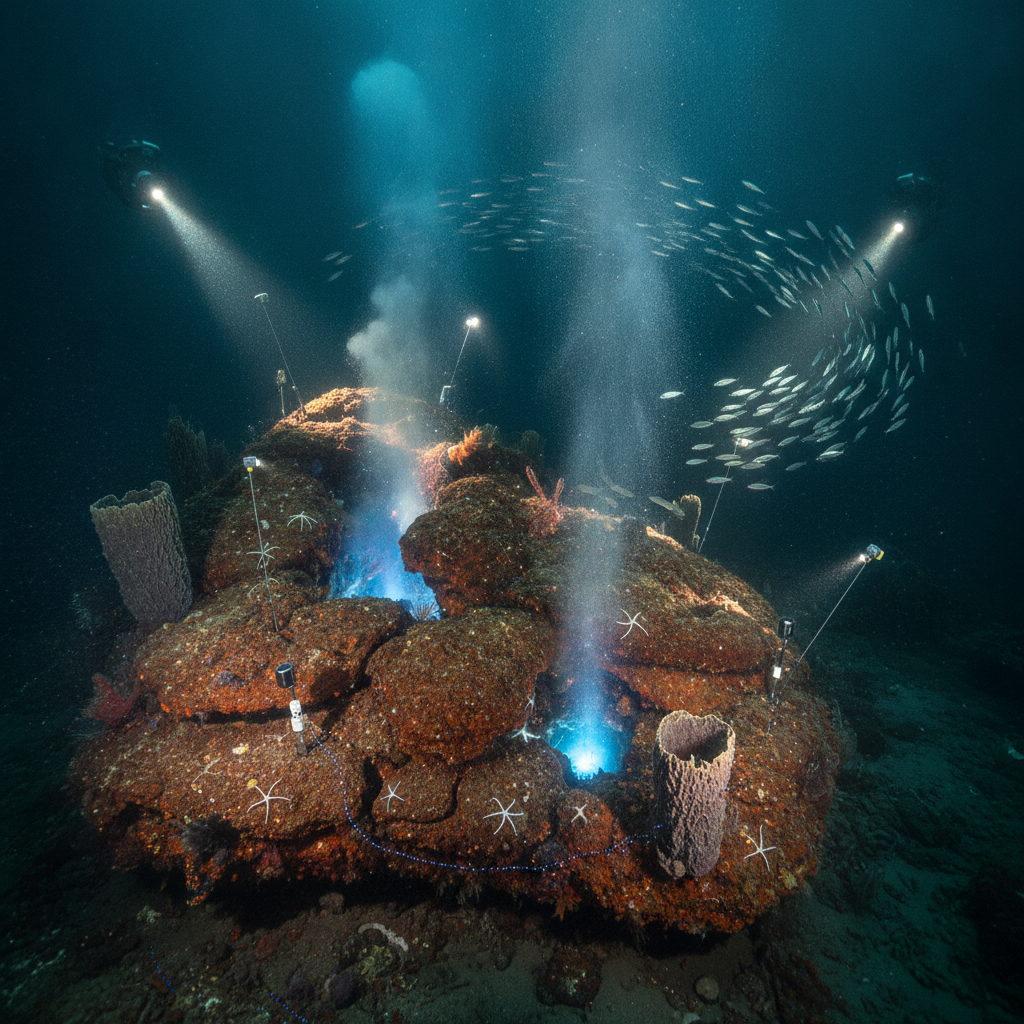
أعلنت مجلة "نيتشر" العلمية المرموقة عن تصحيح رسمي لدراسة محورية بعنوان "الأطوار المعدنية ذاتية التكوين كمحرك لدورة الحديد في المحيطات العليا"، والتي نُشرت في الأصل بتاريخ 2 أغسطس 2023. يأتي هذا التصحيح، الذي صدر رسمياً في 10 يوليو 2026، ليؤكد على المعايير الصارمة للنشر العلمي والالتزام المستمر بالدقة في الأبحاث التي تستكشف العمليات المحيطية الأساسية. تتعمق الدراسة نفسها في الآليات المعقدة التي تحكم دورة الحديد في الطبقات العليا من المحيط، وهو مكون حيوي للأنظمة البيئية البحرية والدورات البيوجيوكيميائية العالمية.
يتعلق التعديل المحدد المفصل في التصحيح بمرجع غير صحيح، تم تحديده بالرقم 59، ضمن النسخة الأولية من المقال. فقد استشهد المنشور الأصلي بالخطأ بمصدر مختلف، والذي تم تصحيحه الآن في كل من نسختي HTML و PDF من المقال. المرجع الصحيح هو الآن: "Liu, X. & Millero, F. J. The solubility of iron hydroxide in sodium chloride solutions. Geochim. Cosmochim. Acta 63, 3487–3497 (1999)". يضمن هذا التحديث أن جميع البيانات الأساسية والمراجع الداعمة تُنسب بدقة، مما يحافظ على نزاهة الخطاب العلمي ويعزز موثوقية النتائج المقدمة.
البحث الأصلي، الذي قاده فريق تعاوني من العلماء الدوليين بمن فيهم أليساندرو تاغليابو ودانييلا كونيغ، يحقق في كيفية لعب الأطوار المعدنية ذاتية التكوين – وهي معادن تتشكل في الموقع داخل الرواسب أو الماء – دوراً حاسماً في تنظيم توافر الحديد في المحيط العلوي. يعتبر الحديد مغذياً دقيقاً حيوياً يحد من الإنتاجية الأولية في مناطق شاسعة من المحيط، ويؤثر على نمو العوالق النباتية، التي تشكل قاعدة السلسلة الغذائية البحرية وتلعب دوراً مهماً في عزل الكربون. لذا فإن فهم دورته أمر بالغ الأهمية للتنبؤ باستجابات المحيطات لتغير المناخ.
تعكس القائمة الواسعة للمؤلفين المساهمين الطبيعة متعددة التخصصات لهذا البحث، حيث تجمع خبراء من مؤسسات مختلفة حول العالم. من بين المساهمين الرئيسيين كريستين إن. باك من كلية العلوم البحرية بجامعة جنوب فلوريدا وجامعة ولاية أوريغون، ولورا إي. سوفين وبنجامين إس. توينينغ من مختبر بيغلو لعلوم المحيطات، وأوليفييه أومونت من لوكيان في فرنسا، بالإضافة إلى العديد من العلماء الآخرين. يُنسب المراسلة بخصوص هذا التصحيح إلى أليساندرو تاغليابو، مما يسلط الضوء على دوره المحوري في الدراسة وتحديثاتها اللاحقة. خبرتهم الجماعية تمتد لتشمل علم المحيطات، الكيمياء الجيولوجية، والبيولوجيا البحرية، مما يوفر مقاربة شاملة لهذا الموضوع المعقد.
تعد مثل هذه التصحيحات، على الرغم من أنها قد تبدو ثانوية، شهادة على الطبيعة التصحيحية الذاتية للعلم وعملية مراجعة الأقران الدقيقة التي تدعم المجلات عالية التأثير مثل "نيتشر". إنها تعزز تفاني المجتمع العلمي في ضمان أن تكون الأبحاث المنشورة دقيقة وموثوقة قدر الإمكان، مما يسمح للدراسات المستقبلية بالبناء على أساس متين ومتحقق منه. يستمر المقال المحدث في تقديم رؤى لا تقدر بثمن حول الدورة البيوجيوكيميائية للحديد، مما يعزز فهمنا للإنتاجية البحرية وآثارها الأوسع على نظام المناخ في الأرض.