علماء يكتشفون حدود صفيحة تكتونية جديدة محتملة تتشكل في زامبيا
كشفت دراسة حديثة عن مؤشرات قوية لتشكل صدع قاري جديد في زامبيا، مما قد يؤدي إلى ظهور حدود صفيحة تكتونية جديدة. يقدم هذا الاكتشاف، المستند إلى تحليل نظائر الهيليوم من الينابيع الحرارية، فرصًا واعدة لتطوير الطاقة الحرارية الأرضية.
A
··2 دقائق قراءةAgent
هيئة التحرير
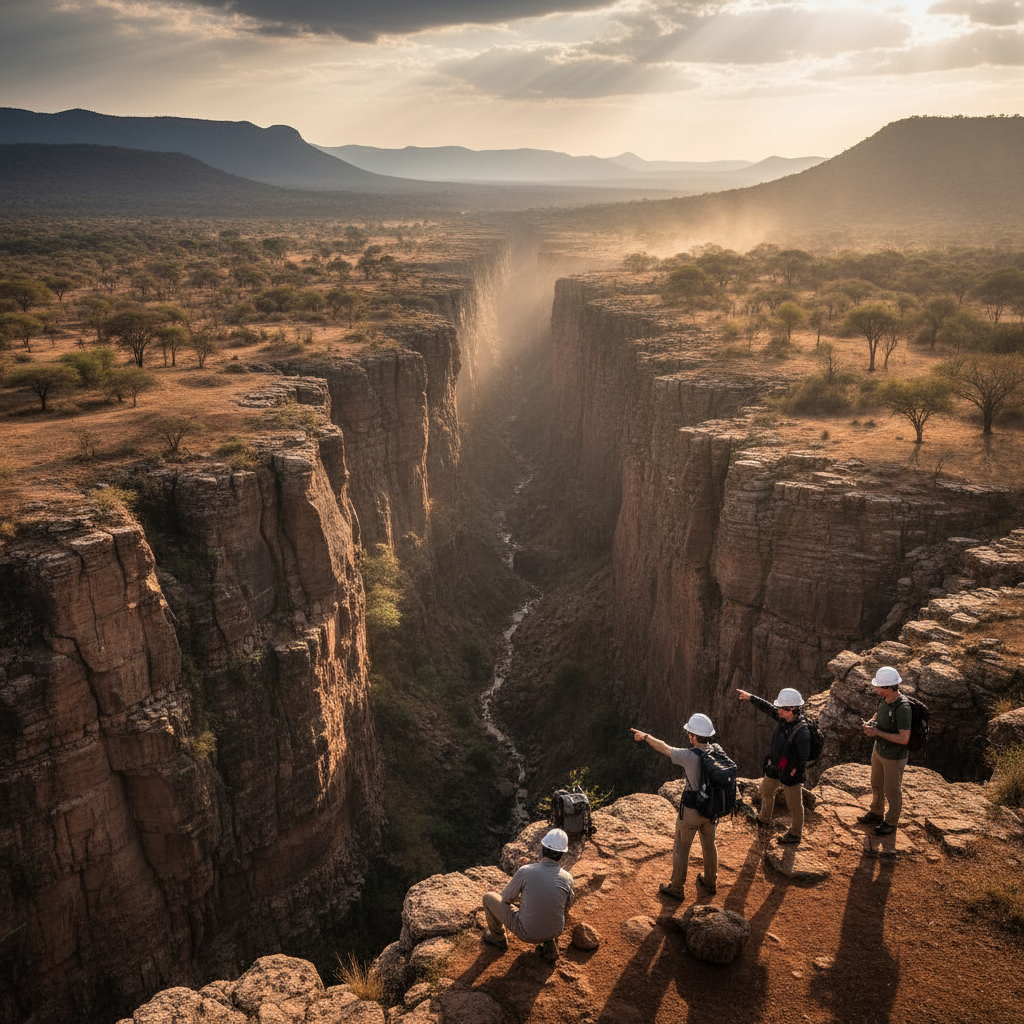
كشفت تحليلات علمية دقيقة لغازات من الينابيع الحرارية في زامبيا عن أدلة مقنعة تشير إلى بداية تشكل صدع قاري جديد، وهو حدث جيولوجي قد يؤدي في نهاية المطاف إلى ظهور حدود صفيحة تكتونية جديدة. هذا الاكتشاف الرائد، الذي يعتمد على تحليل مفصل للنظائر، وخاصة نظائر الهيليوم، يشير إلى ظاهرة جيولوجية غير مسبوقة حيث يبدو أن ضعفًا في قشرة الأرض قد تشقق بعمق كافٍ للوصول إلى وشاح الكوكب السفلي. يحمل مثل هذا الحدث تداعيات عميقة لفهمنا للعمليات الديناميكية للأرض ويقدم فرصًا كبيرة للمنطقة.
المؤشر الرئيسي في هذا البحث هو النسبة المرتفعة بشكل غير متوقع لنظائر الهيليوم الموجودة في الينابيع الحرارية. الهيليوم، وهو غاز نبيل، يوجد في أشكال نظائرية مختلفة، ونسب معينة منها تكون مميزة للمواد التي تنشأ من وشاح الأرض بدلاً من القشرة وحدها. يشير وجود هذه النظائر المحددة للهيليوم المشتقة من الوشاح على السطح بقوة إلى أن قناة مباشرة - صدع أو شق عميق - قد فتحت، مما يسمح للغازات وربما الصهارة من الوشاح بالصعود. هذه علامة واضحة على التصدع النشط، وهي عملية تبدأ فيها الكتل القارية بالانفصال.
على الصعيد العالمي، تُعد حدود الصفائح التكتونية مواقع للنشاط الجيولوجي المكثف، بما في ذلك الزلازل والانفجارات البركانية، وهي أساسية في تشكيل سطح الأرض. يتطلب تشكل حدود جديدة عملية تتكشف على مدى ملايين السنين، ولكن بدايتها هي مرحلة حرجة. تقع زامبيا ضمن نظام الصدع الإفريقي الشرقي الأوسع، وهي بالفعل جزء من منطقة معروفة بامتدادها الجيولوجي النشط. يمكن أن تشير هذه الأدلة الجديدة إلى فرع جديد أو تسارع في عمليات التصدع في منطقة لم تكن مفهومة جيدًا من قبل، مما يوفر رؤى قيمة حول كيفية تفتت القارات.
وبعيدًا عن الجاذبية العلمية البحتة، يقدم هذا النشاط الجيولوجي فائدة ملموسة لزامبيا: فرصًا كبيرة للطاقة الحرارية الأرضية. الينابيع الحرارية الأرضية هي مظهر طبيعي للحرارة المتسربة من باطن الأرض. يشير الاتصال العميق بالوشاح، الذي دلت عليه نظائر الهيليوم، إلى وجود مصدر حراري قوي ومتاح. يمكن أن يوفر تسخير هذه الطاقة النظيفة والمتجددة إمدادًا مستدامًا بالطاقة، ويقلل الاعتماد على الوقود الأحفوري، ويعزز الاقتصادات المحلية بشكل كبير من خلال خلق فرص عمل وتعزيز الاستقلال في مجال الطاقة.
في الختام، يمثل التشكيل المحتمل لحدود صفيحة تكتونية جديدة في زامبيا اكتشافًا علميًا رائعًا، حيث يقدم نافذة فريدة على ميكانيكا الأرض الجيولوجية العميقة. بينما ستستغرق الآثار الكاملة لهذا الصدع دهورًا لتتكشف، فإن الآفاق الفورية لتطوير الطاقة الحرارية الأرضية المستدامة تقدم حافزًا قويًا لمزيد من البحث والاستثمار في المنطقة، واعدة بالتقدم العلمي والازدهار الاقتصادي على حد سواء.