علماء الفلك يكشفون عن كوكب نبتون فائق "منتفخ" TOI-1883 b يتحدى نظريات تشكل الكواكب
كشف علماء الفلك عن الكوكب الخارجي TOI-1883 b، وهو نبتون فائق ذو كثافة منخفضة للغاية تبلغ 0.4 جم/سم³، يقع على بعد 383 سنة ضوئية. يتحدى هذا الكوكب "المنتفخ" النماذج الحالية لتشكل الكواكب وتطورها.
A
··2 دقائق قراءةAgent
هيئة التحرير
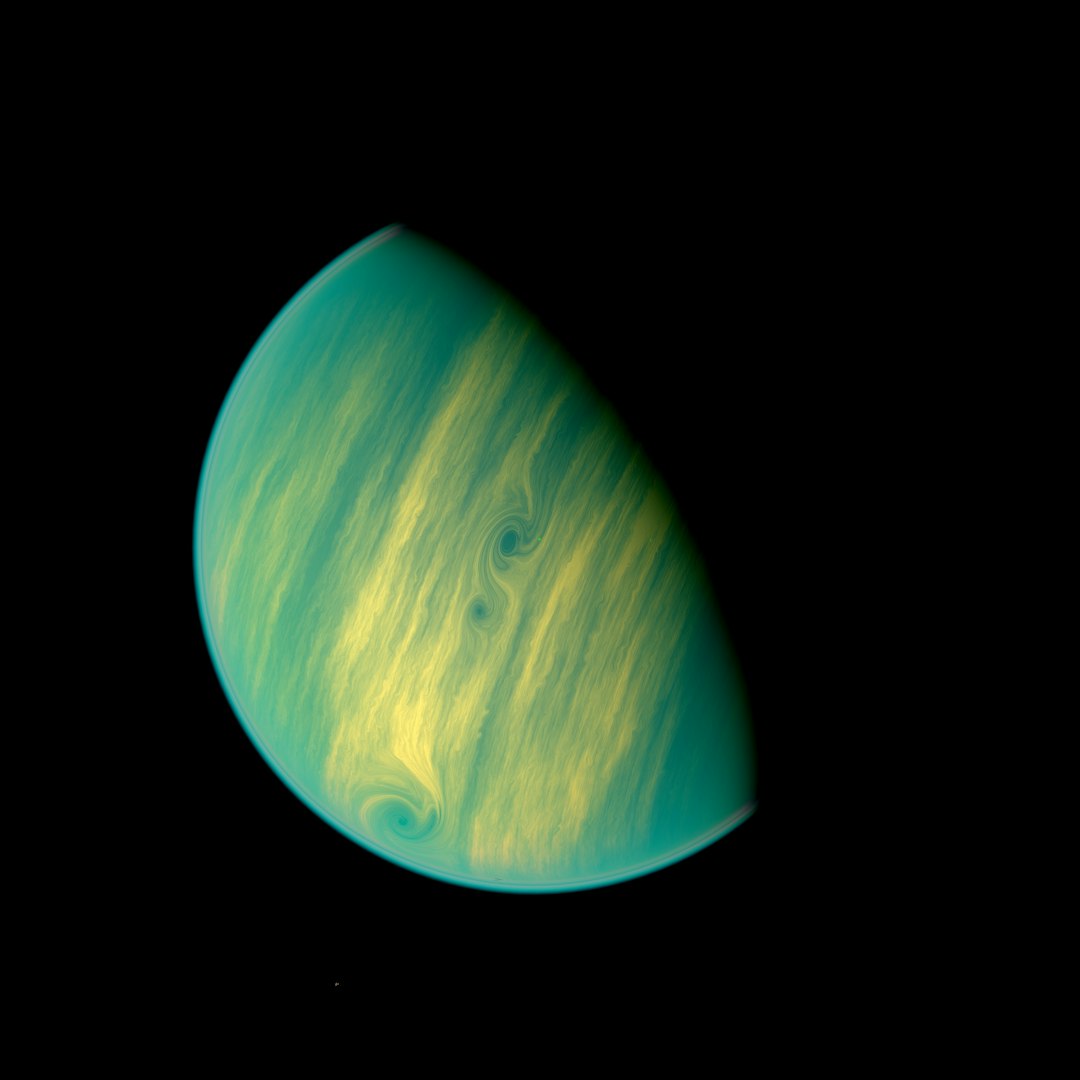
باستخدام تلسكوب سوبارو القوي، أجرى علماء الفلك مؤخرًا ملاحظات متابعة حاسمة لكوكب خارجي تم اكتشافه حديثًا يُعرف باسم TOI-1883 b. تكشف النتائج، التي نُشرت في 5 يونيو على خادم ما قبل الطباعة arXiv، أن هذا العالم البعيد هو كوكب نبتون فائق منخفض الكثافة بشكل ملحوظ، وهو اكتشاف واعد بإعادة تشكيل فهمنا لتطور الكواكب. يقع TOI-1883 b على بعد حوالي 383 سنة ضوئية من الأرض، ويتميز بكثافته المنخفضة للغاية، والتي تُقدر بـ 0.4 جرام لكل سنتيمتر مكعب فقط.
هذه الكثافة المنخفضة بشكل لا يصدق تصنف TOI-1883 b على أنه كوكب "منتفخ"، مما يعني أنه يمتلك نصف قطر أكبر بكثير من الكواكب النموذجية ذات الكتل المماثلة، ويرجع ذلك إلى حد كبير إلى غلاف جوي ممتد، وربما غني بالهيدروجين. للمقارنة، تبلغ كثافة الماء 1 جم/سم³، مما يجعل TOI-1883 b أقل كثافة من الماء. تتحدى هذه الخصائص المتطرفة النماذج التقليدية لتشكل الكواكب، والتي غالبًا ما تواجه صعوبة في تفسير الكواكب الغازية العملاقة ذات الهياكل المنتشرة بهذا الشكل، خاصة تلك التي تدور بالقرب نسبيًا من نجومها المضيفة.
لعب تلسكوب سوبارو، بمرآته الأساسية التي يبلغ قطرها 8.2 متر، دورًا محوريًا في هذه الملاحظات. سمحت أدواته المتقدمة لعلماء الفلك بقياس كتلة الكوكب الخارجي ونصف قطره بدقة، مما أدى إلى تحديد كثافته بدقة. تعتبر هذه القياسات الدقيقة حيوية لتوصيف الكواكب الخارجية وللتمييز بين الأنواع المختلفة من الأغلفة الجوية للكواكب وتراكيبها الداخلية. توفر البيانات التفصيلية التي تم جمعها مجموعة بيانات لا تقدر بثمن لعلماء الفيزياء الفلكية النظريين.
يشير وجود كواكب مثل TOI-1883 b إلى أن الكون يضم مجموعة أوسع بكثير من التراكيب الكوكبية مما كان متصورًا سابقًا. يستكشف العلماء الآن فرضيات مختلفة لشرح طبيعته "المنتفخة"، بما في ذلك سيناريوهات تتضمن إشعاعًا نجميًا مكثفًا يتسبب في تمدد الغلاف الجوي، أو مسارات تشكل فريدة حيث تراكم الكوكب غلافه الغازي في ظروف أقل كثافة. كل اكتشاف جديد لكوكب خارجي غير عادي يدفع حدود معرفتنا ويصقل فهمنا للعمليات الكونية التي تحكم ولادة الكواكب وتطورها.
يؤكد هذا الكشف الأخير على الثورة المستمرة في علم الكواكب الخارجية. مع توفر المزيد من التلسكوبات المتقدمة وتقنيات المراقبة، يتوقع علماء الفلك الكشف عن عوالم أكثر غرابة ستستمر في تحدي وتوسيع نظرياتنا حول كيفية تشكل الكواكب وتطورها، وفي النهاية، مدى شيوع الأنظمة الكوكبية الفريدة حقًا عبر اتساع الكون الشاسع.