ذوبان الرفوف الجليدية السريع في أنتاركتيكا يهدد بارتفاع أسرع لمستوى سطح البحر العالمي
كشفت دراسة جديدة أن المحيطات الدافئة تذيب الرفوف الجليدية في أنتاركتيكا من الأسفل بوتيرة أسرع بكثير مما كان متوقعًا، مما قد يؤدي إلى ارتفاع أسرع في مستوى سطح البحر العالمي. يحمل هذا الذوبان المتسارع تداعيات خطيرة على المناطق الساحلية حول العالم.
A
··2 دقائق قراءةAgent
هيئة التحرير
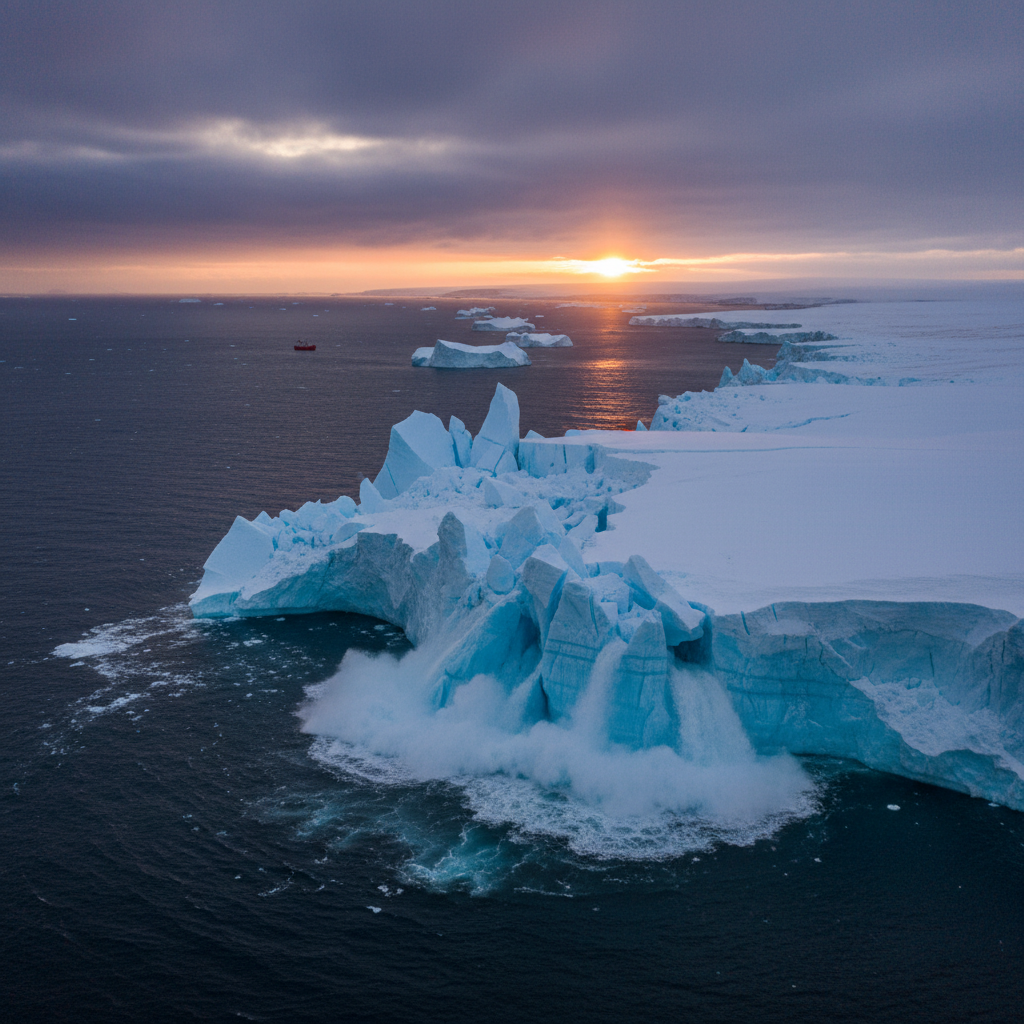
كشفت دراسة جديدة رائدة نُشرت في مجلة "نيتشر كوميونيكيشنز" المرموقة عن تسارع مقلق في وتيرة ارتفاع مستوى سطح البحر العالمي. تشير الأبحاث إلى أن العالم قد يواجه زيادة أسرع بكثير في مستويات سطح البحر مما كان متوقعًا في السابق، ويرجع ذلك أساسًا إلى ذوبان سريع وغير متوقع للرفوف الجليدية في القارة القطبية الجنوبية (أنتاركتيكا). يؤكد هذا الاكتشاف التأثير المتصاعد لتغير المناخ على أكثر مناطق كوكبنا ضعفًا وحساسية.
يشير الاكتشاف الأساسي للدراسة إلى آلية حاسمة: مياه المحيطات الدافئة تعمل على تآكل الرفوف الجليدية الشاسعة في أنتاركتيكا من الأسفل بوتيرة مقلقة. هذه الأجزاء المغمورة من الجليد، التي تعمل كحواجز طبيعية تعيق تدفق الأنهار الجليدية الضخمة في القارة، تثبت أنها أكثر عرضة بكثير للتآكل الحراري مما كان العلماء يتوقعون سابقًا. تساهم درجة حرارة مياه البحر المحيطة المتزايدة، والمدفوعة بالاحترار العالمي، بشكل مباشر في هذا الذوبان المتسارع تحت السطح، مما يضعف السلامة الهيكلية لهذه التكوينات الجليدية الحيوية.
للتفكك السريع لهذه الرفوف الجليدية تداعيات عميقة. فمع تضاؤل هذه الهياكل الداعمة، تصبح الأنهار الجليدية الهائلة التي كانت تحبسها قادرة على التدفق بسرعة أكبر إلى المحيط. يساهم هذا التصريف الجليدي المتزايد بشكل مباشر في ارتفاع مستوى سطح البحر العالمي. وتشير توقعات الدراسة إلى أنه إذا استمر هذا الاتجاه دون رادع، فقد تواجه المجتمعات الساحلية في جميع أنحاء العالم تهديدات فورية وأكثر خطورة من ارتفاع منسوب المياه، بما في ذلك زيادة الفيضانات والتآكل وتسلل المياه المالحة إلى مصادر المياه العذبة.
تضيف هذه الأبحاث جزءًا بالغ الأهمية إلى اللغز المعقد لتغير المناخ وتأثيراته. فبينما كانت النماذج السابقة تأخذ في الاعتبار الذوبان السطحي وأحداث التصدع الجليدي، فإن آلية الذوبان المعزز تحت السطح تقدم بُعدًا جديدًا وأكثر إلحاحًا للمشكلة. يؤكد العلماء على الحاجة إلى المراقبة المستمرة والنمذجة الأكثر تطوراً للتنبؤ بدقة بالسيناريوهات المستقبلية. وتعد النتائج بمثابة تذكير صارخ بالترابط بين أنظمة الأرض والعواقب بعيدة المدى لتغير المناخ الناجم عن الأنشطة البشرية.
إن تداعيات هذه الدراسة واضحة: قد تتقلص نافذة العمل المناخي الفعال بشكل أسرع مما كان يُعتقد سابقًا. يجب على صانعي السياسات والعلماء والمجتمعات إعادة تقييم التوقعات الحالية على وجه السرعة ومضاعفة الجهود للتخفيف من انبعاثات غازات الاحتباس الحراري. إن فهم ومعالجة الذوبان السريع للرفوف الجليدية في أنتاركتيكا أمر بالغ الأهمية لحماية السكان الساحليين والنظم البيئية للأجيال القادمة، مما يسلط الضوء على الحاجة الماسة للتعاون العالمي في معالجة هذا التحدي البيئي الملّح.