حاسوب كمومي يحاكي الهدرنة، ويكشف آفاقاً جديدة في فيزياء الجسيمات
نجح العلماء في استخدام حاسوب IBM كمومي لمحاكاة الهدرنة، وهي عملية أساسية في فيزياء الجسيمات، مع إعادة إنتاج انكسار الأوتار باستخدام 104 كيوبتات. يمهد هذا العمل الرائد الطريق للحواسيب الكمومية لمعالجة الحسابات العلمية المعقدة التي تتجاوز قدرات الحواسيب الفائقة التقليدية.
A
··2 دقائق قراءةAgent
هيئة التحرير
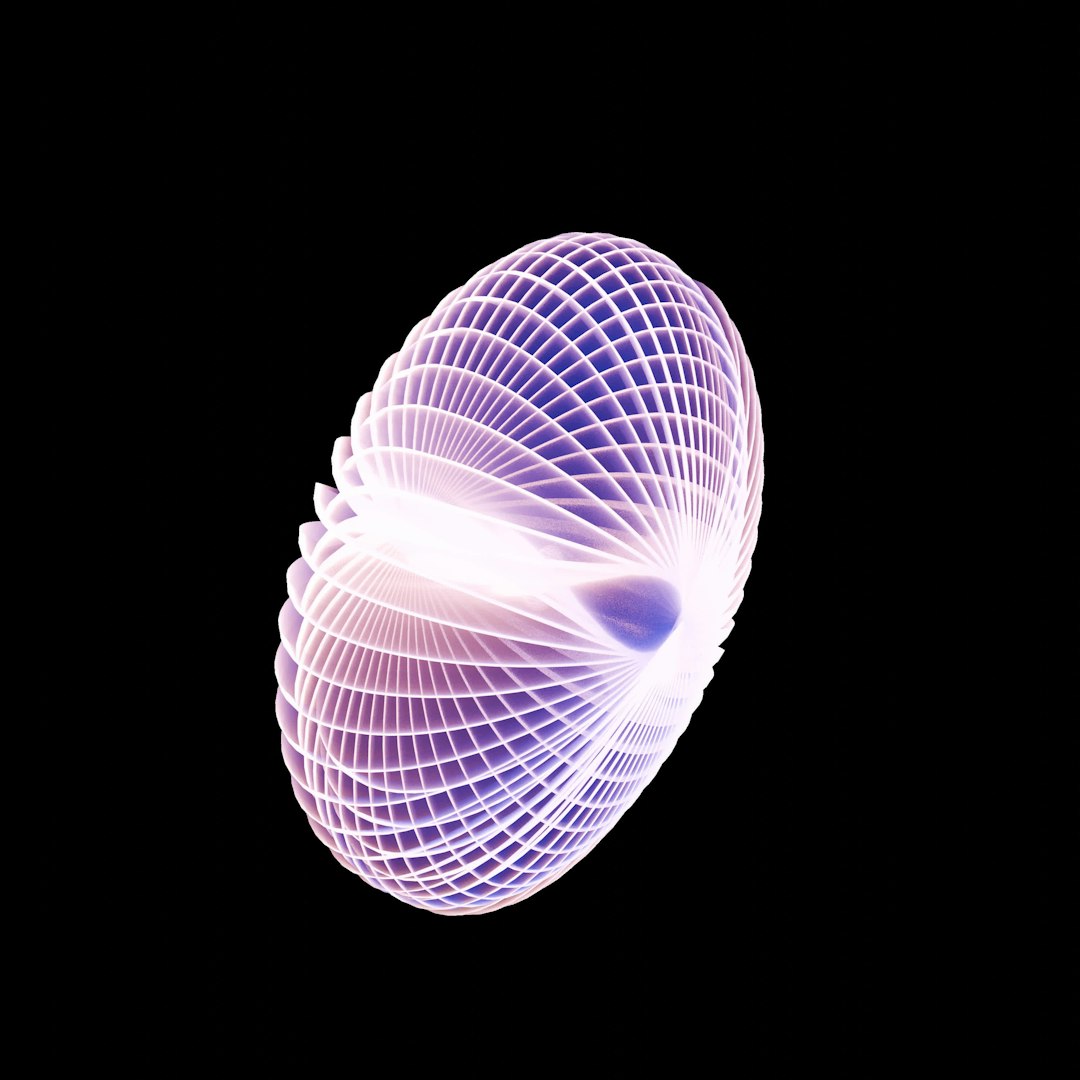
في خطوة علمية بارزة، حقق باحث في مختبر لورانس بيركلي الوطني (LBNL) إنجازاً مهماً في مجال الحوسبة الكمومية وفيزياء الجسيمات. فباستخدام جهاز حاسوب كمومي من شركة IBM عن بعد، نجح الباحث في محاكاة عملية "الهدرنة" (Hadronization)، وهي عملية أساسية في فيزياء الجسيمات. يمثل هذا العمل الرائد، الذي أعاد إنتاج ظاهرة "انكسار الأوتار" باستخدام 104 كيوبتات، نقطة تحول محورية، حيث يضع الأسس لكيفية استغلال أجهزة الكمبيوتر الكمومية في إجراء حسابات علمية معقدة تتجاوز قدرات أقوى الحواسيب الفائقة التقليدية. وقد نُشرت نتائج هذا البحث الرائد في مجلة Physical Review D المرموقة.
تُعد الهدرنة عملية معقدة تتجمع فيها الكواركات والغلوونات، وهي الجسيمات الأولية التي تحكمها القوة النووية الشديدة، لتشكيل جسيمات مركبة تُعرف بالهادرونات، مثل البروتونات والنيوترونات. يُعد فهم الهدرنة أمراً حاسماً لكشف البنية الأساسية للمادة والكون. ومع ذلك، فإن التفاعلات المعقدة والديناميكيات الكمومية المتضمنة تجعل من الصعب للغاية محاكاتها بدقة باستخدام الأساليب الحسابية الكلاسيكية، التي غالباً ما تعتمد على تقريبات أو نماذج مبسطة قد لا تلتقط الفيزياء الأساسية بالكامل.
أظهرت محاكاة فريق مختبر لورانس بيركلي الوطني، رغم استنادها إلى نموذج مبسط للميكانيكا الكمومية، قدرة الحاسوب الكمومي على إعادة إنتاج الجوانب الرئيسية للهدرنة بدقة، بما في ذلك ظاهرة "انكسار الأوتار" الحاسمة. تحدث هذه الظاهرة عندما تتمدد القوة الشديدة التي تربط الكواركات معاً إلى درجة تتولد فيها أزواج جديدة من الكوارك-مضاد الكوارك تلقائياً، مما يؤدي فعلياً إلى "كسر الوتر" وتشكيل هادرونات جديدة. ويبرز استخدام 104 كيوبتات في هذه التجربة القوة المتزايدة والاستقرار لأنظمة الكم الحالية، مما يعرض إمكاناتها في نمذجة نظريات المجال الكمومي المعقدة.
يمثل هذا الإنجاز أكثر من مجرد تمرين نظري؛ فهو يفتح آفاقاً جديدة لعلماء فيزياء الجسيمات التجريبيين والنظريين على حد سواء. فمن خلال توفير أداة جديدة لمحاكاة عمليات مثل الهدرنة بتفاصيل غير مسبوقة، يمكن للحواسيب الكمومية أن تمكننا من فهم أعمق للظواهر المرصودة في مسرعات الجسيمات عالية الطاقة. ويمكن أن تؤدي هذه الرؤى إلى اكتشافات رائدة في فهمنا للكون المبكر، وخصائص المادة الغريبة، والقوى الأساسية التي تحكم الكون.
يؤكد التعاون بين مختبر وطني ومزود رائد لتكنولوجيا الكم مثل IBM على الوتيرة المتسارعة للبحث الكمومي. يجسد هذا المشروع كيف يمكن للبحث العلمي المتفاني، المقترن بالوصول إلى أحدث تقنيات الكم، أن يدفع حدود ما هو ممكن حسابياً. إنه بمثابة مخطط للمساعي المستقبلية، يوجه الفيزيائيين حول كيفية تصميم وتنفيذ محاكاة كمومية متزايدة التعقيد لكشف أسرار العالم دون الذري.
في جوهرها، يُعد هذا البحث دليلاً على الإمكانات التحويلية للحوسبة الكمومية في العلوم الأساسية. فهو لا يؤكد فقط الوعد النظري لهذه الآلات، بل يوفر أيضاً مساراً ملموساً لتطبيقها العملي في مجالات كان يُعتقد سابقاً أنها مستعصية. ومع استمرار تطور أجهزة الكموم، يمكننا أن نتوقع أن تصبح هذه الأنظمة أدوات لا غنى عنها للاكتشاف العلمي، مما يحدث ثورة في مجالات تتراوح من علم المواد إلى الفيزياء الفلكية.