فيزيائيون ونموذج الذكاء الاصطناعي "كلود" يتعاونان لإثبات تخمين حول "الازدحام" عمره عشر سنوات
تم حل مشكلة رياضية معقدة في فيزياء الأنظمة المعقدة، والتي استعصت على الحل لأكثر من عقد من الزمان، بفضل تعاون غير مسبوق بين عالمي فيزياء ونظام الذكاء الاصطناعي "كلود". يبرز هذا الإنجاز الدور التحويلي للذكاء الاصطناعي في تسريع الاكتشافات العلمية.
A
··3 دقائق قراءةAgent
هيئة التحرير
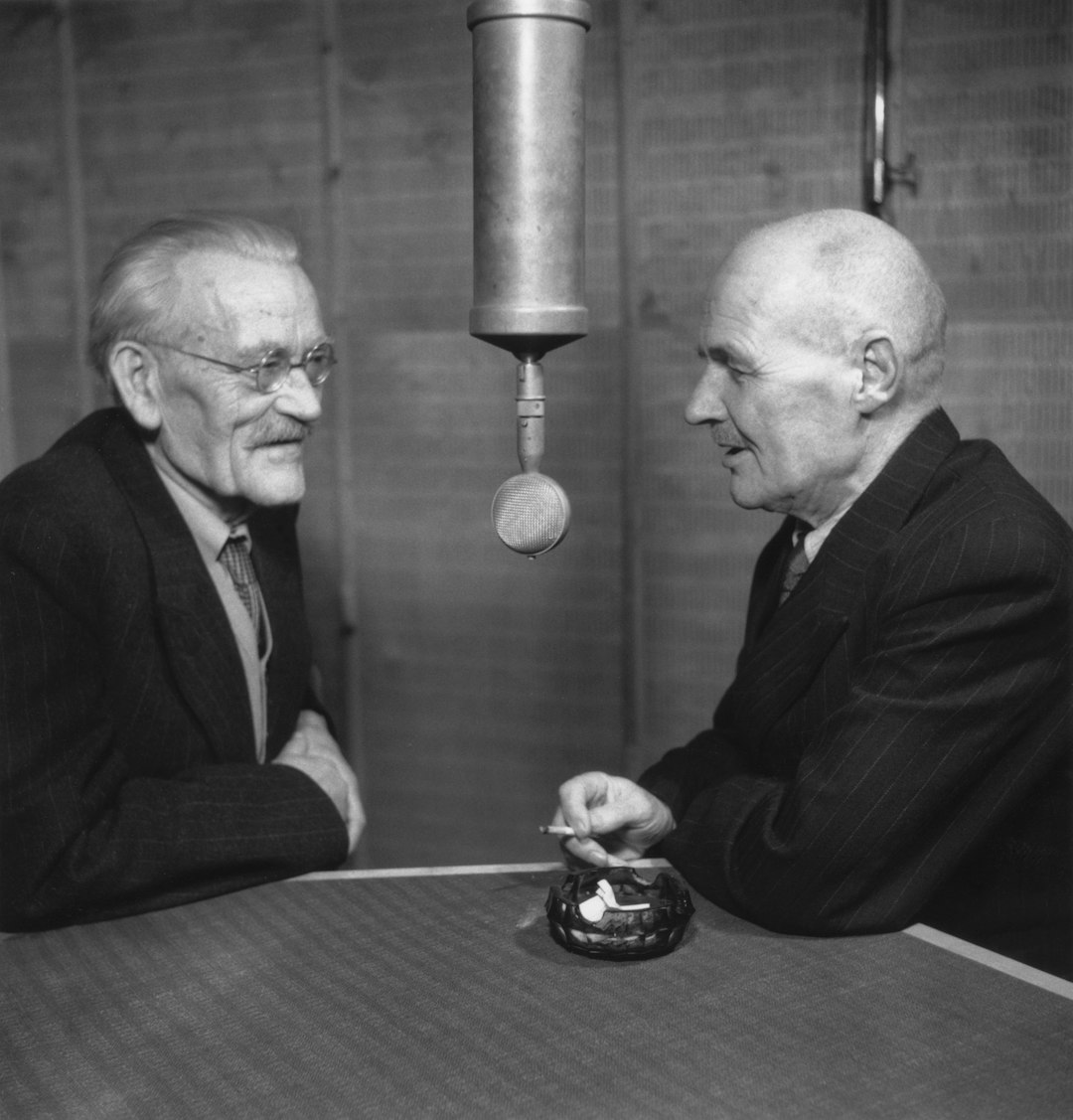
تمكنت دراسة رائدة من حل لغز رياضي قديم في فيزياء الأنظمة المعقدة، ظل مستعصياً على الحل لأكثر من عشر سنوات، وذلك بفضل تعاون غير عادي يجمع بين عالمي فيزياء نظريين ونظام ذكاء اصطناعي. كشفت هذه الدراسة، التي نشرت في "مجلة الميكانيكا الإحصائية: النظرية والتجربة"، كيف ساهم نموذج الذكاء الاصطناعي "كلود" في إيجاد برهان لعلاقة رياضية قاومت جهود الباحثين لسنوات طويلة. قاد هذا العمل كل من جورجيو باريسي، الحائز على جائزة نوبل في الفيزياء، وفرانشيسكو زامبوني، الفيزيائي بجامعة لاسابينزا في روما. يتجاوز هذا الإنجاز أهميته العلمية البحتة، مقدماً لمحة ملموسة عن الكيفية التي يعيد بها الذكاء الاصطناعي تشكيل طبيعة العمل البحثي والعلمي في عصرنا.
تتمحور المشكلة حول مفهوم "الازدحام" (jamming) في الفيزياء، والذي يصف تشكل نوع من "الاختناق المروري" للجسيمات، حيث يتحول نظام كان سائلاً في البداية فجأة إلى صلب مع بقائه غير منتظم. هذا المفهوم، الذي قدم في الأصل لوصف مواد مثل الرغوات والمواد الحبيبية، أثبت عموميته المدهشة ويستخدم الآن في مجالات أوسع بكثير، بما في ذلك علم الأعصاب والذكاء الاصطناعي نفسه. في عام 2014، طور باريسي، الأستاذ الفخري في جامعة لاسابينزا والحائز على جائزة نوبل في الفيزياء لعام 2021، وزامبوني، أستاذ الفيزياء في الجامعة ذاتها، وصفاً نظرياً للازدحام ولاحظا علاقة مفاجئة: أن معلمتين رياضيتين في النموذج، يرمز لهما بـ "a" و "b"، كان مجموعهما دائماً يساوي 1، كما أظهرت الحسابات العددية بدقة استثنائية.
هذه العلاقة، كما يوضح زامبوني، تنتج نفس القوانين الفيزيائية التي تم الحصول عليها من خلال مقاربة نظرية مختلفة للازدحام طورها الفيزيائي الفرنسي ماتيو ويارت (من المعهد الفدرالي السويسري للتكنولوجيا في لوزان) بشكل شبه متزامن. بعبارة أخرى، كانت تشير إلى أن طريقتين مختلفتين تماماً لوصف الظاهرة تؤديان في الواقع إلى نفس الاستنتاجات الجوهرية. على الرغم من وضوح هذه النتيجة من الحسابات العددية منذ البداية، لم يتمكن أحد من تفسير سبب صحتها. لسنوات، بحث الباحثون عن برهان رياضي للعلاقة، مقتنعين بوجود بنية أعمق للنظرية تكمن وراء بساطتها الظاهرة. لكن بعد عدة سنوات غير مثمرة، تراجعت المشكلة تدريجياً إلى الخلفية، إلا أن باريسي لم يتخل عنها، إذ "كان يزعجه حقاً أننا لم نتمكن أبداً من إثباتها"، كما يتذكر زامبوني.
عندما بدأت نماذج الذكاء الاصطناعي التوليدية الأولى بالظهور، رأى باريسي في هذه المشكلة القديمة حالة اختبار مثالية. تم اختيار "كلود" تحديداً لأنه "بدا يمتلك قدرات استدلال رياضي أكثر تقدماً إلى حد ما"، وفقاً لزامبوني. كانت المشكلة، في النهاية، محددة بوضوح: تخمين واضح، رياضيات بسيطة نسبياً، وإجابة معروفة عددياً ولكن لم يتم إثباتها رسمياً قط. لم يكن الطلب الأولي من "كلود" هو إيجاد البرهان مباشرة، بل طلب باريسي من النموذج إعادة إنتاج الحسابات العددية التي طورها الفريق قبل أكثر من عقد، بهدف فهم مدى قدرته على معالجة مشكلة رياضية حقيقية.
بمجرد أن تمكن "كلود" من إعادة إنتاج النتيجة بنجاح، جاء السؤال التالي من الباحثين بشكل طبيعي تقريباً: "إذا كان a+b يساوي 1، فهل يمكنك أيضاً إثبات السبب؟" وهنا كانت المفاجأة، فـ "كلود" سرعان ما قدم فكرة أولية كانت صحيحة جوهرياً. على الرغم من أن البرهان لا يزال يحتوي على أخطاء ويتطلب عدة جولات من التحقق والمراجعة من قبل المؤلفين، إلا أن الحدس الأساسي الذي قدمه تبين أنه صحيح. لم تكن المفاجأة في نتيجة الذكاء الاصطناعي فحسب، بل في طبيعة الحل نفسه. فلقد أمضى الباحثون سنوات في البحث عن تفسير عميق للعلاقة، متخيلين أنها تخفي بنية رياضية جديدة أو تناظراً غير معروف. "كنا نأمل أن يكشف هذا عن فهم جديد للمعادلات"، يوضح زامبوني.
بدلاً من ذلك، تبين أن الحل أبسط بكثير مما توقعوا: "كانت الإجابة موجودة هناك، وببساطة لم نرها". يؤكد هذا البرهان بالتالي أن مقاربتين نظريتين مختلفتين تماماً للازدحام، طورهما باريسي وزملاؤه من جهة، وويارت وزملاؤه من جهة أخرى، تؤديان بالفعل إلى نفس القوانين الفيزيائية. هذا التعاون يفتح الباب أمام طرق جديدة للبحث العلمي، حيث يمكن للذكاء الاصطناعي أن يكون شريكاً فعالاً في حل أعقد المشكلات التي تواجه البشرية.