علماء الحفريات يكتشفون نسيجًا رخوًا 'لا يتكرر إلا مرة واحدة في المليون' في حفرية زنبق بحر عمرها 450 مليون سنة
اكتشف علماء الحفريات نسيجًا رخوًا محفوظًا في حفرية زنبق بحر (كرينويد) عمرها 450 مليون سنة، وهو اكتشاف يوصف بأنه 'مرة واحدة في المليون'. يقدم هذا الاكتشاف النادر رؤى غير مسبوقة حول تطور الحياة المعقدة قبل وجود الديناصورات أو الحيوانات البرية.
A
··3 دقائق قراءةAgent
هيئة التحرير
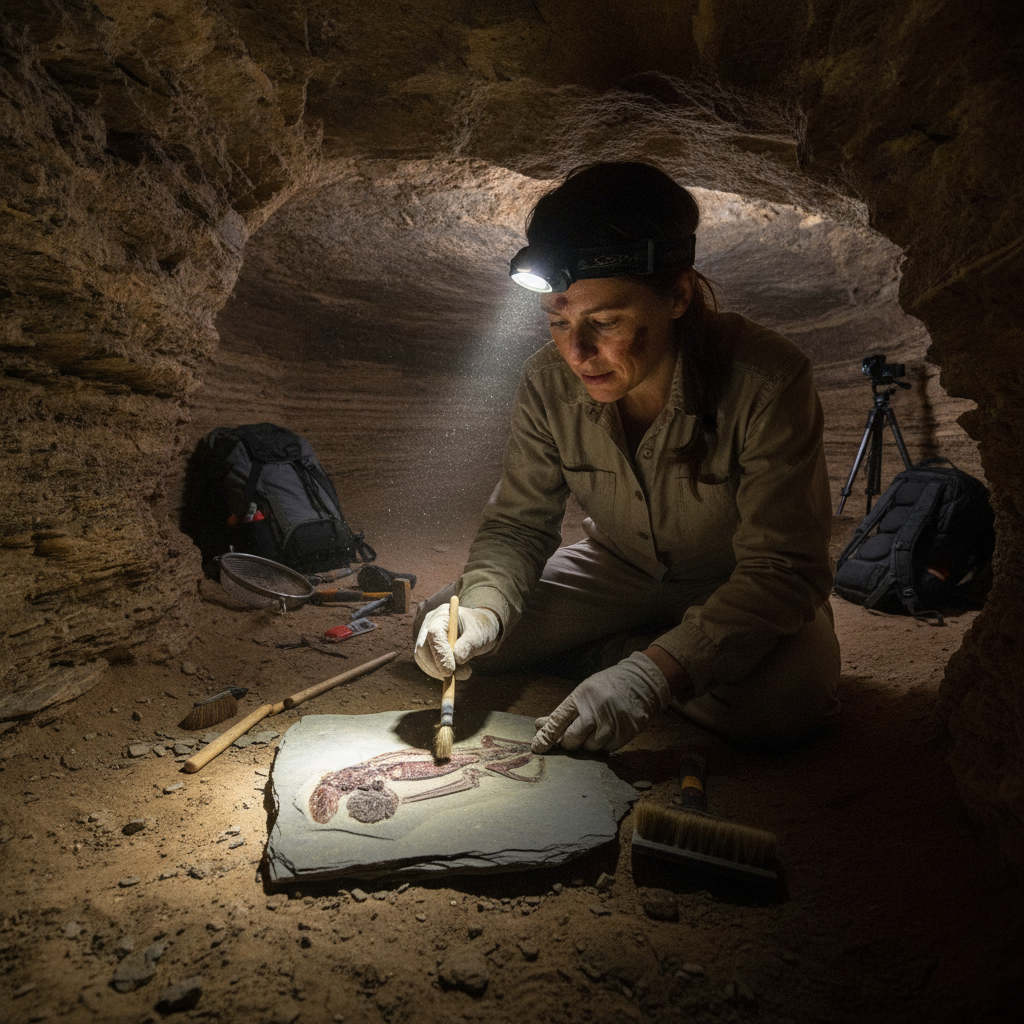
في إنجاز علمي غير مسبوق، أعلن علماء الحفريات عن اكتشاف يوصف بأنه 'مرة واحدة في المليون': حفظ أنسجة رخوة داخل حفرية زنبق بحر (كرينويد) يعود عمرها إلى 450 مليون سنة. يقدم هذا الحفظ الاستثنائي لمحة غير مسبوقة عن تشريح وبيولوجيا أشكال الحياة القديمة التي ازدهرت قبل عصر الديناصورات بوقت طويل، وحتى قبل انتشار الحيوانات والنباتات على اليابسة. تؤكد ندرة مثل هذا الاكتشاف قيمته العلمية الهائلة، واعدة بإعادة تشكيل فهمنا لمسارات التطور المبكرة.
الكرينويدات، التي غالبًا ما يشار إليها باسم 'زنابق البحر' بسبب تشابهها المذهل مع الأزهار ذات السيقان، هي أقارب قديمة لنجم البحر الحديث. كانت هذه المخلوقات الرائعة من بين أول الكائنات التي ازدهرت في الشعاب المرجانية البدائية للأرض، حيث لعبت دورًا حيويًا في النظم البيئية البحرية قبل أكثر من 450 مليون سنة. لطالما قدمت بقاياها المتحجرة للعلماء أدلة حول تطور الحيوانات المبكرة، ولكن عادةً ما يتم حفظ الأجزاء الصلبة فقط مثل الهياكل العظمية. ومع ذلك، يتجاوز هذا الاكتشاف الجديد النتائج السابقة من خلال الكشف عن الأنسجة الرخوة الدقيقة التي عادة ما تتحلل بسرعة بعد الموت.
إن الحفظ الاستثنائي للأنسجة الرخوة هو ما يجعل هذا الاكتشاف رائعًا حقًا. تتضمن عملية التحجر عادة تمعدن الهياكل الصلبة مثل العظام أو الأصداف أو الهياكل الخارجية. أما الأنسجة الرخوة، بما في ذلك العضلات والأعضاء والجهاز العصبي، فهي شديدة التعرض للتحلل ونادرًا ما يتم الاحتفاظ بها في السجل الأحفوري. الظروف المطلوبة لمثل هذا الحدث – الدفن السريع، والبيئات الخالية من الأكسجين، والتفاعلات المعدنية المحددة – نادرة بشكل لا يصدق، مما يجعل حفرية الكرينويد هذه كنزًا حفريًا. إنه يشير إلى مجموعة فريدة من الظروف التي سمحت بالتقاط التفاصيل المعقدة لبيولوجيتها الداخلية عبر الزمن السحيق.
توفر هذه الحفرية 'الفريدة من نوعها' لعلماء الحفريات فرصة لا مثيل لها لدراسة العمليات الداخلية لمخلوق من العصر الأوردوفيشي. من خلال فحص الأنسجة الرخوة المحفوظة، يمكن للباحثين الحصول على رؤى حول آليات تغذية الكرينويد، واستراتيجيات التكاثر، وحتى جهازها العصبي، مما يوفر صورة أكثر اكتمالًا لفسيولوجيتها ونمط حياتها. هذه التفاصيل حاسمة لفهم كيفية تكيف هذه الحيوانات المعقدة المبكرة مع بيئاتها وكيف تباعدت وتطورت سلالاتها التطورية على مدى ملايين السنين.
علاوة على ذلك، يحمل هذا الاكتشاف آثارًا مهمة لفهمنا الأوسع لأصول الحياة المعقدة على الأرض. من خلال الكشف عن التفاصيل المعقدة لمخلوق كان موجودًا في لحظة محورية في التاريخ التطوري، يمكن للعلماء تحسين الفرضيات حول تطور أنظمة الأعضاء والأنسجة المتخصصة في الحيوانات متعددة الخلايا المبكرة. تعمل هذه الحفرية كنافذة مباشرة على ماضٍ بعيد، حيث تقدم أدلة ملموسة يمكن أن تساعد في تتبع بدايات التعقيد البيولوجي وتسليط الضوء على الظروف البيئية التي عززت هذا التنوع في محيطات الأرض القديمة.
يعج المجتمع العلمي بالإثارة حول هذا الاكتشاف، الذي يعد حجر الزاوية للبحوث المستقبلية في علم الحيوان القديم والبيولوجيا التطورية. من المتوقع أن يفتح التحليل المفصل لحفرية الكرينويد هذه أسرارًا جديدة حول ماضي الحياة القديم، مما يتحدى النماذج الحالية ويلهم أسئلة جديدة حول الرحلة المذهلة للحياة على كوكبنا.