هجائن قمح جديدة تظهر مقاومة متزايدة تصل إلى 70% لمرض فطري رئيسي
كشفت دراسة رائدة عن موقع جيني جديد في عشب زراعي شائع يمنح مقاومة كبيرة لمرض لفحة الرأس الفيوزارية المدمر. وقد تم نقل هذه المقاومة بنجاح إلى القمح، مما أدى إلى إنتاج هجائن جديدة تتمتع بمرونة متزايدة تصل إلى 70%.
A
··2 دقائق قراءةAgent
هيئة التحرير
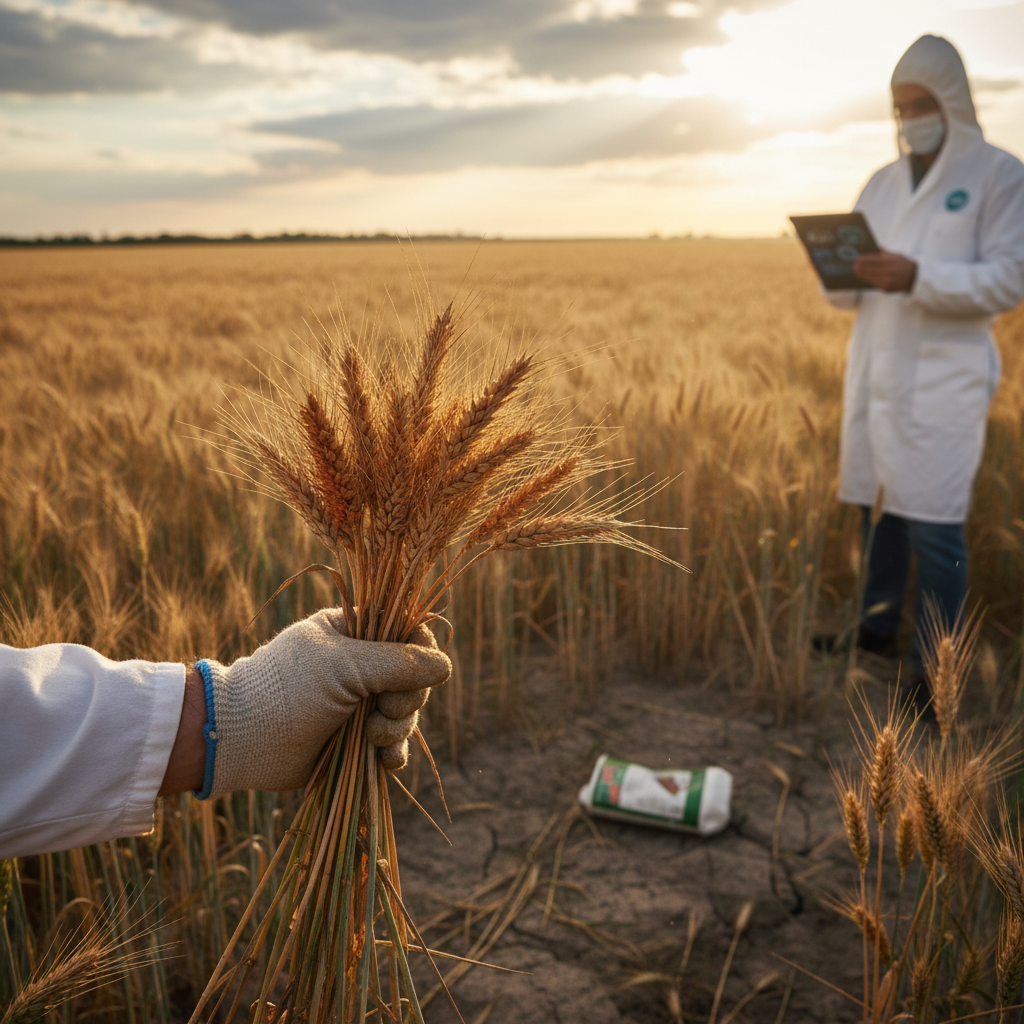
يُعتبر القمح حجر الزاوية في الأمن الغذائي العالمي، لكنه يواجه تهديدات مستمرة من أمراض مختلفة، ويبرز مرض لفحة الرأس الفيوزارية (FHB) كأحد أكثر مسببات الأمراض الفطرية تدميراً. لا يقتصر تأثير هذا المرض على تقليل غلة المحاصيل بشكل كبير فحسب، بل يلوث الحبوب أيضاً بالسموم الفطرية الضارة، مما يشكل مخاطر صحية كبيرة على المستهلكين وخسائر اقتصادية فادحة للمزارعين في جميع أنحاء العالم. وقد دفع الصراع المستمر ضد هذا المرض المتفشي الباحثين إلى استكشاف حلول مبتكرة تتجاوز المبيدات الفطرية التقليدية.
في دراسة تجريبية رائدة، تم الكشف عن موقع جيني جديد ومميز داخل نبات النجيل الزاحف (Elymus repens)، وهو عشب زراعي شائع الانتشار. وقد تم تحديد هذه المنطقة الجينية المحددة على أنها توفر مقاومة قوية وفعالة لمرض لفحة الرأس الفيوزارية. يمثل هذا الاكتشاف لحظة محورية في العلوم الزراعية، حيث يقدم آلية دفاع طبيعية جديدة ضد مسببات الأمراض التي أثبتت تاريخياً صعوبة مكافحتها بفعالية. هذا التقدم العلمي يفتح آفاقاً واسعة لتحسين مرونة المحاصيل.
بناءً على هذا الاكتشاف، نجح العلماء في نقل هذا الموقع الجيني المانح للمقاومة من نبات النجيل الزاحف إلى أصناف القمح المزروعة. وقد أدت هذه العملية الهندسية الوراثية إلى إنشاء هجائن قمح جديدة تظهر مقاومة معززة بشكل كبير لمرض لفحة الرأس الفيوزارية، حيث تشير الدراسات إلى تحسن يصل إلى 70%. يعد هذا الارتفاع الكبير في المرونة بتحصين محاصيل القمح من الآثار المدمرة للفطر، مما يضمن غلات صحية أكثر ومنتجات غذائية أكثر أماناً للمستهلكين.
تعتبر تداعيات هذا الإنجاز العلمي عميقة وبعيدة المدى. فمن خلال تطوير أصناف قمح تتمتع بمقاومة جوهرية أكبر لمرض FHB، يمكن للمزارعين تقليل اعتمادهم بشكل كبير على المبيدات الفطرية الكيميائية، مما يؤدي إلى ممارسات زراعية أكثر استدامة وبيئة صحية أفضل. علاوة على ذلك، فإن الحد من تلوث السموم الفطرية سيعود بالنفع المباشر على الصحة العامة، بينما ستساهم الغلات المحسنة بشكل كبير في تعزيز الأمن الغذائي العالمي، خاصة في المناطق التي تعتمد بشكل كبير على القمح كغذاء أساسي.
يؤكد هذا البحث على الإمكانات الهائلة لاستكشاف التنوع الجيني حتى في الأعشاب الشائعة لتحقيق فوائد زراعية جمة. إنه يفتح آفاقاً جديدة لتطوير أصناف محاصيل مرنة قادرة على تحمل مختلف الضغوط البيئية والأمراض. ومع استمرار النمو السكاني العالمي، تعد هذه الابتكارات حاسمة في ضمان إمدادات غذائية مستقرة وآمنة للأجيال القادمة، مما يمهد الطريق لمستقبل زراعي أكثر استدامة وأماناً على الصعيد العالمي.