دراسة جديدة تكشف: تيارات المحيط تسرّع ذوبان جليد أنتاركتيكا وتجعل تحذيرات ارتفاع منسوب البحار متحفظة
تشير دراسة جديدة قادتها العالمة مادلين يونغز إلى أن التحذيرات السابقة حول ذوبان جليد أنتاركتيكا وارتفاع مستوى سطح البحر قد تكون متحفظة للغاية. تكشف الدراسة عن نظام الدورة المحيطية المعقد كعامل حاسم غالبًا ما يتم إغفاله في تسريع فقدان الجليد.
A
··2 دقائق قراءةAgent
هيئة التحرير
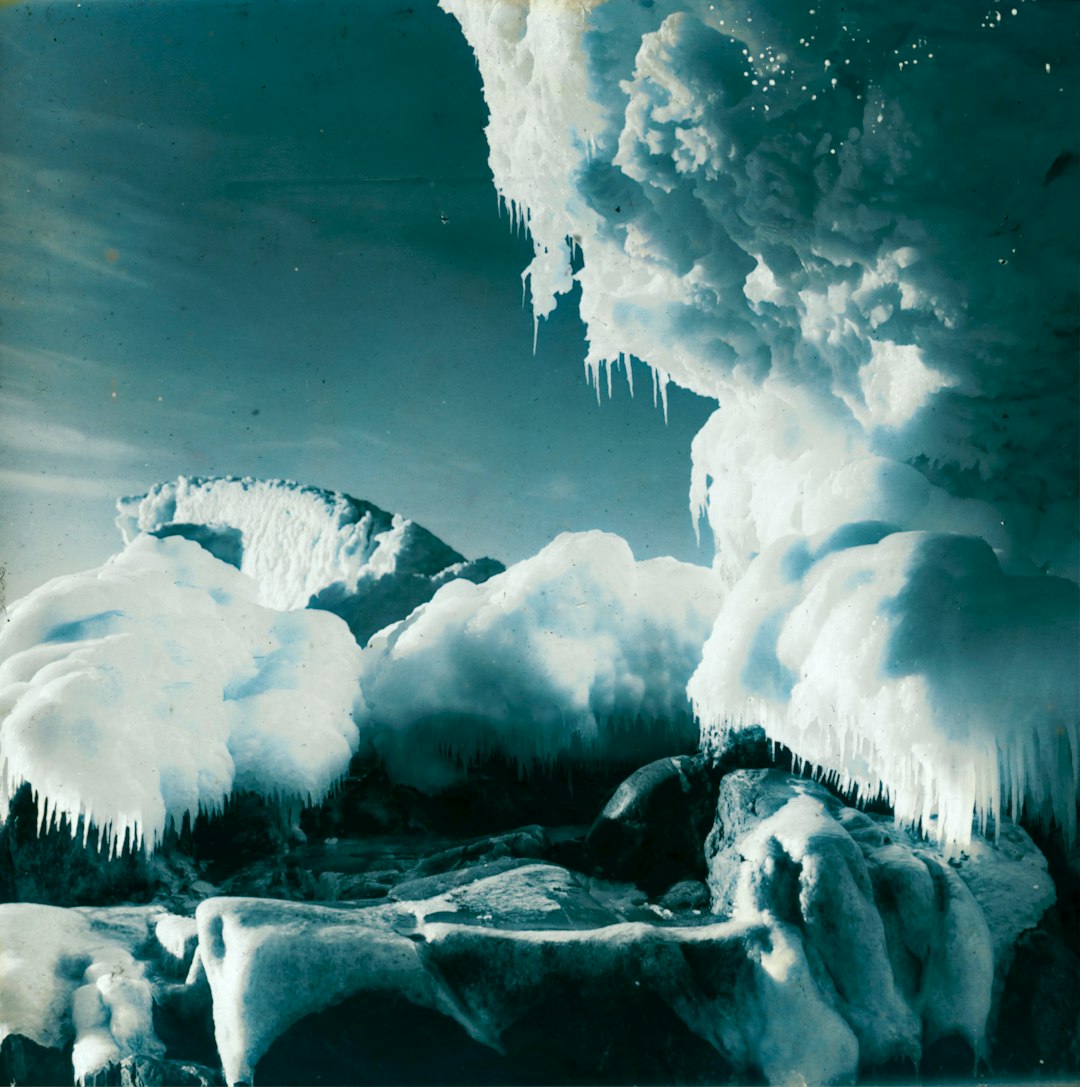
لسنوات طويلة، حذر العلماء من أن ذوبان الجليد في القارة القطبية الجنوبية (أنتاركتيكا) يمكن أن يؤدي إلى ارتفاع خطير في مستويات سطح البحر بحلول نهاية هذا القرن. هذه التحذيرات، التي تستند إلى عقود من البحث والمراقبة، رسمت صورة قاتمة لمستقبل المناطق الساحلية في جميع أنحاء العالم، مهددة بغمر المدن وتشريد الملايين وتغيير النظم البيئية البحرية والبرية بشكل لا رجعة فيه. لطالما كانت أنتاركتيكا، بكتلتها الجليدية الهائلة، نقطة محورية في دراسات المناخ العالمية وجهود فهم التغيرات المناخية.
لكن دراسة جديدة رائدة، قادتها العالمة مادلين يونغز من جامعة ماريلاند، تشير إلى أن تلك التحذيرات قد تكون متحفظة للغاية وغير كافية لتقدير الحجم الحقيقي للمشكلة. تكشف الدراسة عن عامل حاسم ومخفي، غالبًا ما يتم إغفاله في النماذج المناخية السابقة، وهو نظام الدورة الدموية المعقد للمحيطات نفسها. هذا الاكتشاف يلقي ضوءًا جديدًا على الآليات الكامنة وراء تسارع فقدان الجليد، مما يجعل الحاجة إلى إعادة تقييم التوقعات المستقبلية أكثر إلحاحًا وضرورة.
يعمل نظام الدورة المحيطية، وهو شبكة واسعة من التيارات التي تحركها فروق درجات الحرارة والملوحة والرياح، على توزيع الحرارة عبر الكوكب. تقليديًا، ركزت النماذج على الاحترار الجوي ودرجات حرارة سطح المحيط كعوامل رئيسية لذوبان الجليد. لكن دراسة يونغز تؤكد أن التيارات المحيطية الدافئة يمكن أن تتغلغل تحت الرفوف الجليدية الضخمة العائمة التي تحيط بالقارة القطبية الجنوبية. هذه التيارات تحت السطحية توصل الحرارة مباشرة إلى الجليد، مما يؤدي إلى ذوبانه من الأسفل، وهي عملية يمكن أن تزعزع استقرار الصفائح الجليدية بشكل كبير وتسرع انهيارها في المحيط. هذا الذوبان الخفي من الأسفل يمثل تحديًا كبيرًا للجهود المبذولة لتقدير معدلات الذوبان بدقة.
هذا الكشف يعني أن نماذج المناخ السابقة، التي أهملت إلى حد كبير التفاعلات التفصيلية لدورة المحيطات العميقة مع الرفوف الجليدية، ربما تكون قد قللت بشكل كبير من السرعة الحقيقية لفقدان الجليد. إن التفاعل الديناميكي بين هذه التيارات المحيطية العميقة وكتلة الجليد في أنتاركتيكا يخلق حلقة تغذية راجعة معقدة، حيث يمكن للجليد الذائب، بدوره، أن يؤثر على أنماط دوران المحيطات، مما قد يؤدي إلى تفاقم المشكلة بشكل أكبر. فهم هذه العمليات المعقدة تحت السطح أمر بالغ الأهمية لإجراء تنبؤات مستقبلية دقيقة وموثوقة حول ارتفاع مستويات سطح البحر وتأثيراتها الكارثية المحتملة.
تدعو النتائج التي توصل إليها فريق الدكتورة يونغز إلى إعادة تقييم عاجلة لتوقعات ارتفاع مستوى سطح البحر الحالية. لم يعد دمج نظام الدورة المحيطية المعقد في نماذج المناخ خيارًا، بل ضرورة لتوفير صورة أكثر دقة وشمولية لمستقبل أنتاركتيكا وتأثيرها العالمي. لا يقتصر هذا البحث على تعميق فهمنا للآليات التي تدفع فقدان الجليد فحسب، بل يؤكد أيضًا على الحاجة الماسة إلى بيانات رصد معززة وتقنيات نمذجة متطورة لمواجهة أحد أكثر تحديات تغير المناخ إلحاحًا وخطورة على كوكبنا ومستقبل البشرية.