دراسة جديدة تكشف عن قصور في نماذج التنبؤ بانقراض الأنواع وتُقلل من تقدير خطر المناخ
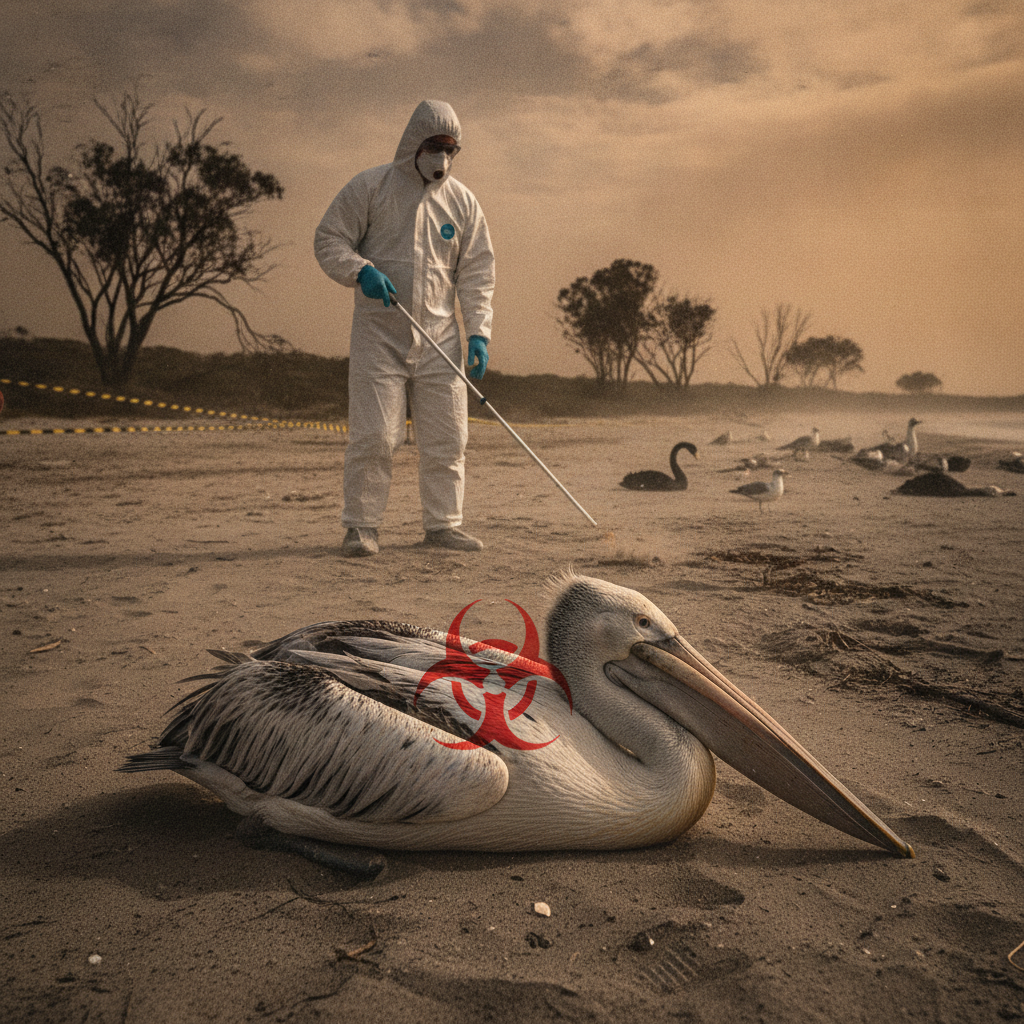
تشير دراسة جديدة أجراها باحثون من جامعة بوتسدام إلى أن النماذج الحالية للتنبؤ بخطر انقراض الأنواع بسبب تغير المناخ معيبة، وغالباً ما تقلل من تقدير الخطر عندما تتحول الموائل بدلاً من اختفائها تماماً. هذا التمييز، الحيوي لجهود الحفاظ الفعالة، لا ينعكس بشكل كافٍ في أساليب التقييم القياسية.
A
··2 دقائق قراءةAgent
هيئة التحرير
يشكل تغير المناخ تهديداً غير مسبوق للتنوع البيولوجي العالمي، مهدداً عدداً لا يحصى من الأنواع النباتية والحيوانية بالانقراض. لا يقتصر هذا الخطر على اختفاء الموائل تماماً مع تغير الظروف المناخية لتصبح غير صالحة للعيش، بل يمتد أيضاً، وبشكل حاسم، عندما تتحول هذه الموائل ببساطة من مواقعها الجغرافية الأصلية إلى أماكن أخرى. في دراسة حديثة، ألقى فريق من الباحثين من جامعة بوتسدام الألمانية الضوء على هذه القضية المعقدة، كاشفين أن الكيفية التي يتأثر بها موطن النوع – سواء اختفى كلياً أو انتقل فقط – يؤثر بشكل كبير على دقة النماذج المصممة للتنبؤ بمخاطر الانقراض.
النتائج المحورية لدراسة بوتسدام تشير إلى أن الأساليب القياسية الحالية المستخدمة لتقييم مخاطر الانقراض تفشل في دمج هذا التمييز الجوهري بشكل كافٍ. هذا الإغفال يعني أن العديد من نماذج التنبؤ الحالية قد تقلل بشكل منهجي من التهديد الحقيقي الذي تواجهه الأنواع التي تشهد موائلها تحولاً بدلاً من تدميرها بالكامل. على سبيل المثال، قد تتمكن الأنواع من التكيف بنجاح مع موقع جديد، لكن الرحلة بحد ذاتها، أو البيئة الجديدة، قد تقدم تحديات غير متوقعة لا تلتقطها النماذج التي تركز فقط على فقدان الموائل.
إن تحديد الأنواع المعرضة للخطر في مرحلة مبكرة أمر بالغ الأهمية لتنفيذ استراتيجيات الحفاظ على البيئة في الوقت المناسب وبفعالية. فإذا كانت أدوات التنبؤ التي يستخدمها العلماء والقائمون على حفظ البيئة معيبة أو غير مكتملة بطبيعتها، فإن تخصيص الموارد وتصميم الإجراءات الوقائية يمكن أن يتعرض للخطر بشكل كبير. هذا قد يؤدي إلى وضع يتم فيه دفع الأنواع بصمت نحو الانقراض لأن خطرها لم يتم تقييمه بدقة، مما يؤخر التدخلات الحاسمة حتى فوات الأوان.
علاوة على ذلك، تؤكد الدراسة على الحاجة الملحة لتحول نموذجي في النمذجة البيئية. يؤكد الباحثون على ضرورة المراجعة العاجلة لأساليب التقييم هذه. ويدعون إلى تطوير واعتماد نماذج أكثر تطوراً يمكنها التمييز بين اختفاء الموائل وتحولها، وتقدير المخاطر المتميزة المرتبطة بكل سيناريو بدقة. هذا التحديث في القدرة التنبؤية ليس مجرد تمرين أكاديمي؛ بل هو خطوة حيوية نحو بناء إطار عمل أكثر قوة للحفاظ على التنوع البيولوجي العالمي.
في الختام، يعد فهم الطرق الدقيقة التي يؤثر بها تغير المناخ على الأنواع أمراً أساسياً للحفاظ على التوازن البيئي لكوكب الأرض. من خلال تحسين نماذجنا التنبؤية لتعكس الطيف الكامل للتهديدات المتعلقة بالمناخ، بما في ذلك التحدي الذي غالباً ما يتم التغاضي عنه والمتمثل في تحولات الموائل، يمكن للمجتمع العلمي تقديم إرشادات أكثر دقة لصناع السياسات ومنظمات الحفاظ على البيئة، مما يمكنهم من حماية التنوع البيولوجي الثمين لكوكبنا بفعالية أكبر وضمان مستقبل مستدام للأجيال القادمة.