دراسة حديثة تحذر: المبالغة في تقدير خسارة التنوع البيولوجي المرتبطة بالاستعانة بمصادر خارجية قد تضلل السياسات البيئية العالمية
تتحدى دراسة علمية جديدة النتائج السابقة حول إزالة الغابات المرتبطة بالاستعانة بمصادر خارجية، مجادلة بأن المبالغة في تقدير خسارة التنوع البيولوجي المرتبطة بالتجارة الدولية قد تضلل السياسات البيئية. وتبرز الدراسة أن فقدان الغابات الذي غالبًا ما يُنسب إلى أسواق السلع العالمية، مثل صادرات فانيليا مدغشقر، هو في الواقع مدفوع بممارسات الزراعة المتنقلة المحلية.
A
··2 دقائق قراءةAgent
هيئة التحرير
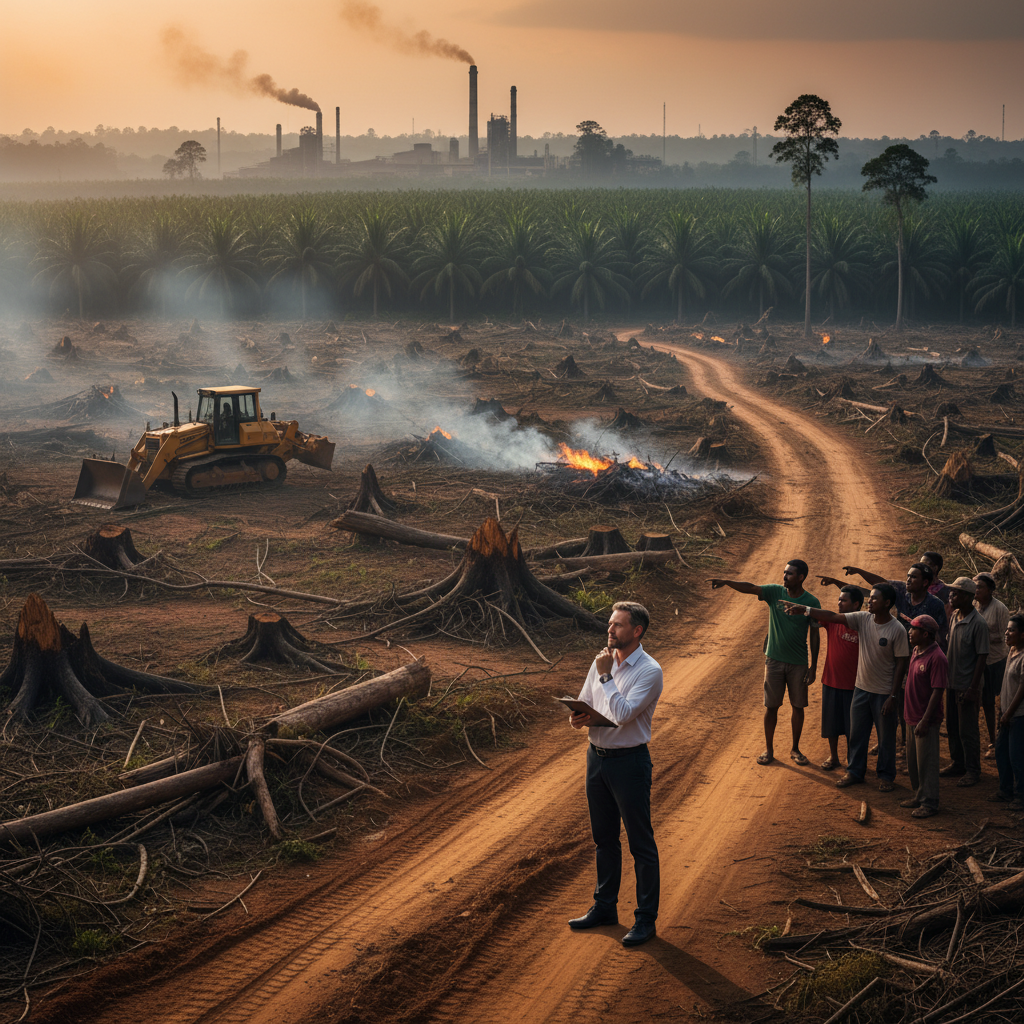
أثارت دراسة علمية حديثة مخاوف كبيرة بشأن دقة التقييمات السابقة المتعلقة بإزالة الغابات التي تعتمد على الاستعانة بمصادر خارجية وتأثيرها على التنوع البيولوجي العالمي. تتحدى النتائج الجديدة دراسة بارزة نُشرت عام 2025 بواسطة Wiebe وWilcove، والتي حللت كيف تساهم التجارة الدولية في فقدان الغابات وما يترتب على ذلك من تدهور في التنوع البيولوجي. يجادل مؤلفو المقال الجديد بأن التحليل الأصلي ربما يكون قد نسب بشكل خاطئ فقدان الغابات الناجم عن الزراعة المتنقلة إلى تجارة السلع الدولية، مما يؤدي إلى استنتاجات خاطئة وسياسات حفظ مضللة.
يركز جوهر الانتقاد على التحديد الخاطئ للمحركات الكامنة وراء تدهور الغابات. فبينما سلطت الدراسة الأصلية الضوء على دور الدول المتقدمة في إلحاق الضرر بالنظم البيئية البعيدة من خلال الإنتاج الخارجي، تشير الدراسة الجديدة إلى إغفال حاسم. فهي تفترض أن جزءًا كبيرًا من فقدان الغابات المنسوب إلى التجارة الدولية، خاصة في الدول النامية، هو في الواقع نتيجة لممارسات الزراعة المتنقلة التقليدية، وليس الطلبات المباشرة لأسواق السلع العالمية. هذا التمييز حيوي، لأن الإسناد الخاطئ للسبب يمكن أن يؤدي إلى تدخلات سياسية غير فعالة أو حتى ذات نتائج عكسية.
ولتوضيح وجهة نظرهم، يتعمق الباحثون في المثال المحدد لصادرات الفانيليا من مدغشقر، وهي دراسة حالة رئيسية في عمل Wiebe وWilcove الأولي. على عكس التأكيد السابق، تشير الأدلة الجديدة إلى أن صادرات الفانيليا ليست هي المسؤولة بشكل أساسي عن خسارة نطاقات الأنواع في مدغشقر. بدلاً من ذلك، يكشف البحث المكثف المستند إلى الموقع حول الزراعة المتنقلة وزراعة المحاصيل التجارية في المنطقة أن الممارسات الزراعية المحلية، المدفوعة بالاحتياجات المحلية والأساليب التقليدية، هي العامل السائد في تحويل الغابات. يؤكد هذا التقييم الجديد على تعقيد ديناميكيات استخدام الأراضي والحاجة إلى فهم دقيق ومتعمق.
علاوة على ذلك، يدعو المؤلفون بشدة إلى مشاركة أعمق في الأبحاث المحلية القائمة على الموقع والتعاون مع العلماء المحليين. ويجادلون بأن مثل هذا النهج كان يمكن أن يمنع المبالغة في تقدير وتحديد الموقع الخاطئ لحصة التنوع البيولوجي المفقودة من الاستعانة بمصادر خارجية. من خلال دمج الخبرة المحلية والبيانات الإقليمية المفصلة، يمكن للباحثين الحصول على صورة أكثر دقة للمحركات الحقيقية للتغير البيئي، وبالتالي تقليل مخاطر صياغة سياسات تفشل في معالجة الأسباب الجذرية لتدهور التنوع البيولوجي. هذه الدعوة للبحث المحلي والتعاوني هي خطوة حاسمة نحو استراتيجيات حفظ أكثر فعالية وعدالة.
في الختام، تعد هذه الدراسة بمثابة تذكير بالغ الأهمية بأن التقييم العلمي الدقيق أمر بالغ الأهمية لتطوير استراتيجيات حفظ عالمية فعالة. يمكن أن تؤدي التفسيرات الخاطئة للبيانات البيئية، خاصة فيما يتعلق بالقضايا المعقدة مثل فقدان التنوع البيولوجي وإزالة الغابات، إلى أخطاء سياسية كبيرة. من خلال التأكيد على أهمية الإسناد الدقيق والسياق المحلي، تهدف هذه الأبحاث إلى توجيه جهود الحفظ المستقبلية نحو نتائج أكثر استنارة واستهدافًا، وفي نهاية المطاف، أكثر نجاحًا في حماية التنوع البيولوجي الثمين لكوكبنا.