بحث جديد يكشف عن آلية مباشرة وتفاعل عكسي لإشعاع هوكينج في محاكاة بصرية
يقدم بحث رائد أدلة تجريبية ونظرية لعملية مباشرة وبسيطة تولد إشعاع هوكينج في محاكاة بصرية ليفية، مع ملاحظة كيفية تفاعل هذه العملية عكسيًا مع المجال. يوفر هذا الاكتشاف رؤى جديدة حول كيفية إشعاع الثقوب السوداء.
A
··2 دقائق قراءةAgent
هيئة التحرير
إشعاع هوكينج، الانبعاث النظري للجسيمات الكمومية عند أفق حدث الثقب الأسود، يمثل مفهومًا محوريًا يربط بشكل معقد عوالم الجاذبية وميكانيكا الكم والديناميكا الحرارية. على الرغم من دلالاته النظرية العميقة، إلا أن المراقبة الفلكية المباشرة لإشعاع هوكينج لا تزال تحديًا مستعصيًا، حيث أن فرص اكتشافه في الفضاء الشاسع ضئيلة للغاية. ونتيجة لذلك، اتجه البحث العلمي إلى حد كبير نحو النماذج التناظرية المخبرية المتطورة، حيث يمكن محاكاة جوانب إشعاع هوكينج ودراستها بنجاح في ظروف خاضعة للرقابة، مما يوفر نافذة فريدة على هذه العمليات الفيزيائية القصوى.
لعقود من الزمن، كان اللغز الرئيسي هو توضيح الآلية الدقيقة التي تولد بها كميات المجال كميات هوكينج. في سياق هذه الأنظمة التناظرية، وبالتوسع، بالنسبة لحقول الجاذبية، كان يُفترض على نطاق واسع أن إشعاع هوكينج ينشأ من عملية معقدة ومتتالية تتضمن تفاعلات متعددة ومتعاقبة. وقد قدم هذا النموذج المعقد عقبات كبيرة في الفهم الكامل لتحولات الطاقة الأساسية التي تحدث عند أفق الحدث المحاكى، مما جعل من الصعب التنبؤ بالطبيعة الدقيقة للإشعاع وتفاعله مع الزمكان المحيط.
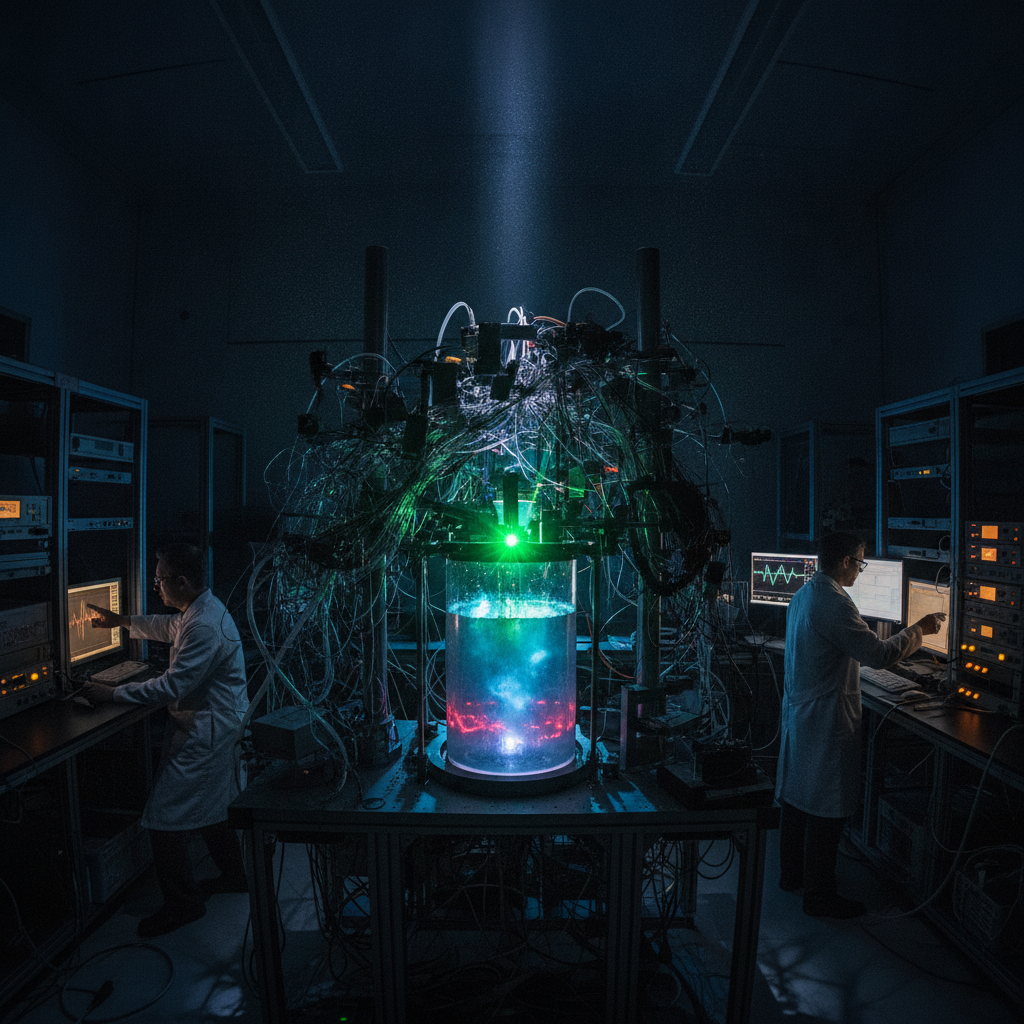
ومع ذلك، كشفت التحقيقات التجريبية والنظرية الرائدة الأخيرة عن عملية أبسط وأكثر مباشرة بشكل لافت. لقد نجح الباحثون في تحديد ومراقبة هذه الآلية المباشرة وهي تعمل داخل نموذج بصري ليفي يحاكي أفق الحدث. سمح هذا الإعداد المبتكر بالتحكم والقياس الدقيقين، مما مكن الفريق من تحديد اللحظة والطريقة الدقيقة لتوليد الإشعاع. ويتمثل الجانب المحوري لهذا الاكتشاف في الملاحظة التجريبية لكيفية "تفاعل" هذه العملية المباشرة المحددة حديثًا بشكل عكسي مع المجال الذي ينشأ منه الإشعاع، مما يوفر رؤى غير مسبوقة في التفاعل الديناميكي بين الجسيمات المنبعثة ومصدرها.
هذا الدليل المقنع على عملية التوليد المباشر، إلى جانب التفاعل العكسي المرصود، يتحدى الافتراضات السابقة ويقدم فهمًا مبسطًا لإشعاع هوكينج. تشير النتائج إلى أن هذه الآلية المباشرة من المحتمل أن تكون قابلة للتطبيق على نماذج تناظرية مخبرية أخرى راسخة، مثل تلك التي تتضمن خزانات المياه، أو السوائل الكمومية فائقة البرودة، أو الدوائر فائقة التوصيل، مما يوحد الفهم عبر منصات تجريبية مختلفة. والأهم من ذلك، يوفر هذا البحث إطارًا نظريًا وتجريبيًا حاسمًا يمكن أن يلقي الضوء على عمليات الإشعاع الفعلية للثقوب السوداء الفلكية، ويسد فجوة حرجة في فهمنا لهذه الكائنات الكونية الهائلة وتفاعلها مع الفراغ الكمومي.
لا يقتصر دور هذه الدراسة على تحسين نماذجنا النظرية فحسب، بل يسلط الضوء أيضًا على الإمكانات الهائلة لتجارب الجاذبية التناظرية في فك رموز الظواهر المعقدة التي يتعذر الوصول إليها بالمراقبة المباشرة. من خلال هندسة الألياف البصرية بدقة لمحاكاة الظروف القصوى بالقرب من أفق الحدث، يتمكن العلماء من اختبار التنبؤات الأساسية للجاذبية الكمومية في بيئة مخبرية ملموسة. يمثل هذا التقدم خطوة كبيرة نحو نظرية أكثر توحيدًا، ويوفر صورة أوضح لكيفية تفاعل الثقوب السوداء مع الفراغ الكمومي وربما إشعاع الطاقة، مما يدفع حدود الفيزياء وفهمنا لأكثر الأجسام غموضًا في الكون.