أدلة جديدة تعزز نظرية مخلفات المستعرات العظمى في تسريع الأشعة الكونية
أدلة علمية حديثة تعزز نظرية أن مخلفات المستعرات العظمى هي المسرعات الرئيسية للأشعة الكونية المجرية. يقدم هذا الاكتشاف رؤى حاسمة حول أصول هذه الجسيمات عالية الطاقة والظواهر الغامضة المعروفة بـ "الركب والكواحل" في طيف طاقتها.
A
··2 دقائق قراءةAgent
هيئة التحرير
تُظهر الأشعة الكونية، وهي جسيمات عالية الطاقة تقصف الأرض باستمرار من الفضاء الخارجي، نطاقًا مذهلاً من الطاقات، يتراوح من 10^7 إلكترون فولت (eV) المتواضعة إلى 10^20 إلكترون فولت الهائلة. لتوضيح الطرف الأعلى من هذا النطاق، فإن هذه الطاقة الحركية تعادل تقريبًا طاقة كرة قدم تزن 450 جرامًا يتم ركلها بسرعة 8 أمتار في الثانية. يقوم العلماء برسم بياني لهذه الطاقات بدقة، ويكشفون عن طيف معقد داخل مجرة درب التبانة. غالبًا ما يعرض هذا الطيف "هيكلًا" مثيرًا للاهتمام، يتميز بانحرافات واضحة عن الاتجاه العام، تُعرف باسم "الركب" و"الكواحل". هذه الميزات ليست مجرد شذوذات؛ بل هي مؤشرات حاسمة، تدل على وجود عمليات جديدة أو طرق مميزة لإنتاج وتسريع الأشعة الكونية عند عتبات طاقة محددة.
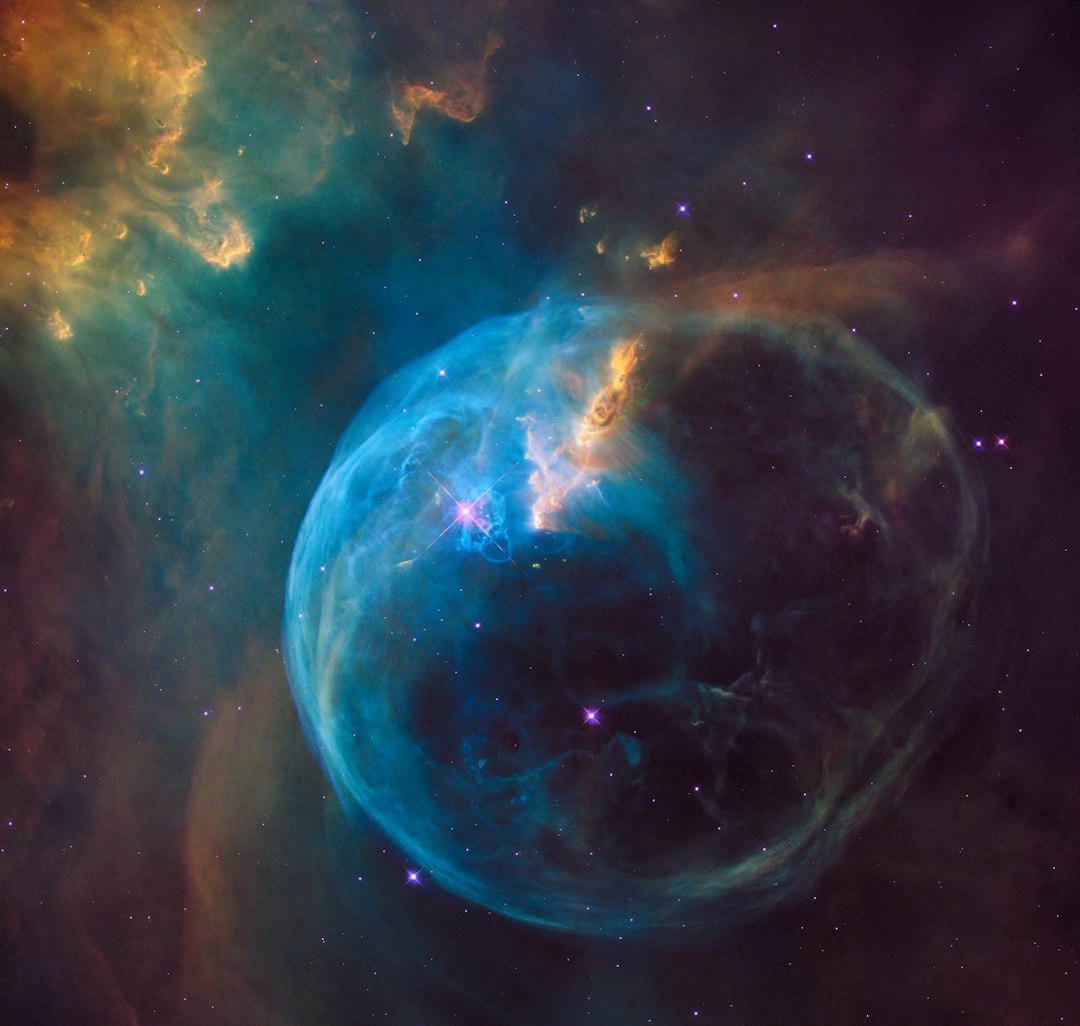
لسنوات طويلة، حيرت كيفية اكتساب هذه الجسيمات لمثل هذه الطاقات الهائلة علماء الفيزياء الفلكية. تفترض نظرية رائدة أن العواقب العنيفة للانفجارات النجمية الضخمة، المعروفة باسم مخلفات المستعرات العظمى (SNRs)، تعمل كمسرعات كونية عملاقة. يُعتقد أن هذه الموجات الصدمية المتوسعة، التي تتولد عندما يستنفد نجم وقوده وينهار، تدفع الجسيمات المشحونة بكفاءة إلى سرعات نسبية من خلال آلية تسمى تسريع الصدمة الانتشارية. وقد عززت الأدلة القوية التي تم الحصول عليها مؤخرًا من بقايا مستعر أعظم قريب هذه الفرضية القديمة بشكل كبير، موفرة دعمًا رصينًا وملموسًا لدور مخلفات المستعرات العظمى كمصانع رئيسية للأشعة الكونية المجرية.
يمثل هذا الدليل الرائد لحظة محورية في الفيزياء الفلكية، حيث يقدم فهمًا أوضح لأصول غالبية الأشعة الكونية المرصودة على الأرض. من خلال تأكيد دور مخلفات المستعرات العظمى، يمكن للباحثين نمذجة توزيع وخصائص هذه الجسيمات النشطة بشكل أفضل في جميع أنحاء مجرتنا. هذا لا يلقي الضوء فقط على العمليات الأساسية التي تحدث في البيئات الكونية المتطرفة، بل يساعد أيضًا في تفسير "الركبة" في طيف الأشعة الكونية، والتي يُعتقد أنها تمثل الحد الأقصى للطاقة التي يمكن أن تصل إليها الجسيمات المتسارعة داخل مخلفات المستعرات العظمى.
إن فهم آليات تسريع الأشعة الكونية أمر حيوي لعدة أسباب. تلعب هذه الجسيمات دورًا مهمًا في تأين الغاز بين النجوم، مما يؤثر على تكوين النجوم والتطور الكيميائي للمجرات. علاوة على ذلك، تشكل الأشعة الكونية خطرًا إشعاعيًا على رواد الفضاء والتكنولوجيا الفضائية، مما يجعل دراستها حاسمة لبعثات استكشاف الفضاء المستقبلية. يوفر الارتباط المؤكد بين مخلفات المستعرات العظمى وتسريع الأشعة الكونية إطارًا قويًا لمزيد من التحقيقات في الظواهر الأكثر نشاطًا في الكون، مما يمهد الطريق لنماذج وتنبؤات أكثر دقة.
ستركز الأبحاث المستقبلية بلا شك على تحسين هذه النماذج، واستكشاف الظروف الدقيقة داخل مخلفات المستعرات العظمى المختلفة التي تحدد كفاءة التسريع، والبحث عن مصادر الأشعة الكونية فائقة الطاقة التي تتجاوز طاقة "الركبة". ستستمر المراصد مثل مرصد HAWC لأشعة جاما والمرافق القادمة في توفير بيانات لا تقدر بثمن، مما يساعد العلماء على كشف لغز الأشعة الكونية بالكامل وتعميق فهمنا لأقوى مسرعات الجسيمات في الكون.