دراسة حديثة تشكك في فرضية تطور الطاقة المظلمة
دراسة حديثة تشكك في فرضية تطور الطاقة المظلمة، مما يشير إلى أن التوسع المتسارع للكون قد يكون مدفوعًا بثابت كوني أبسط. اكتشف الباحثون عدم تطابق دقيقًا بين علاقة مسافات كونية أساسية ومجموعات بيانات رئيسية تستخدم لقياس خصائص الطاقة المظلمة.
A
··2 دقائق قراءةAgent
هيئة التحرير

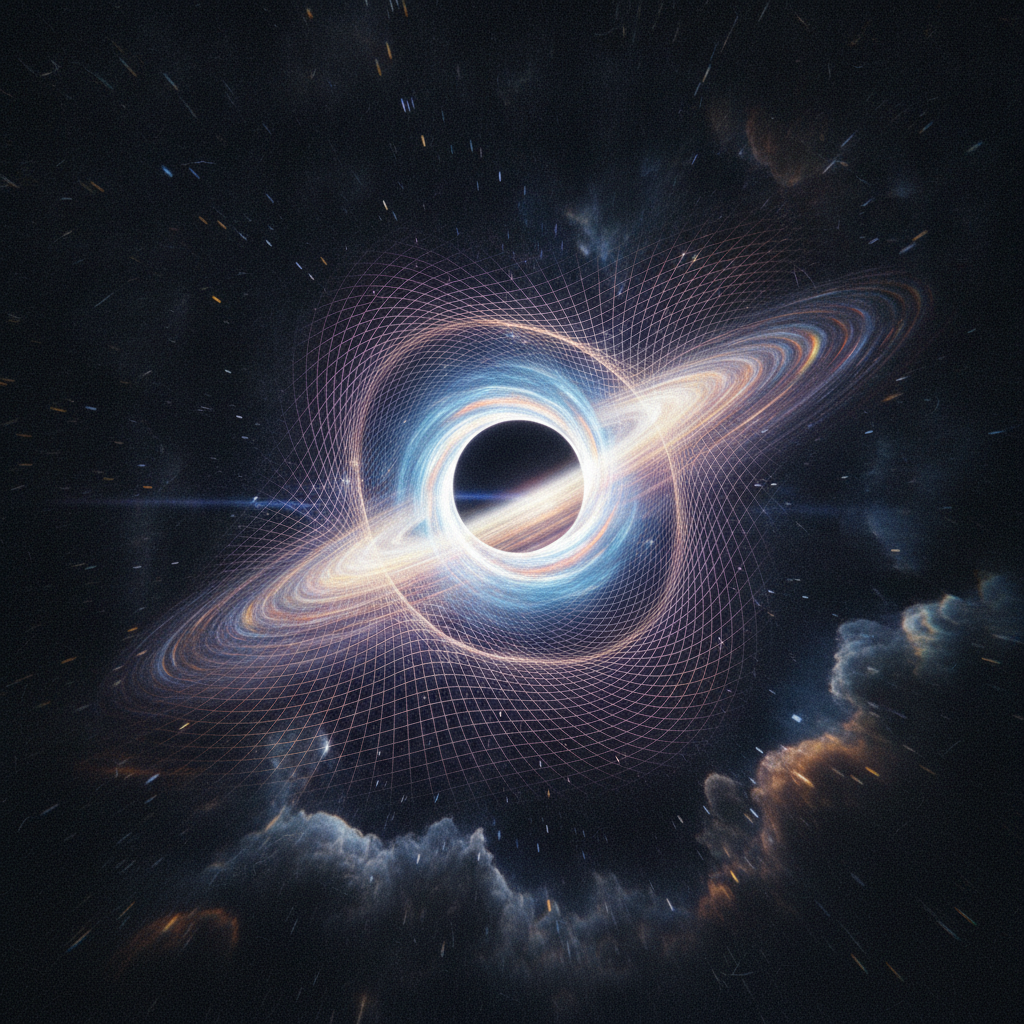
لطالما حيرت الطاقة المظلمة علماء الكون، فهي القوة الغامضة التي يُعتقد أنها المسؤولة عن التوسع المتسارع للكون، لكن طبيعتها الدقيقة لا تزال لغزًا محيرًا. يدور النقاش المركزي حول ما إذا كانت الطاقة المظلمة ثابتًا كونيًا بسيطًا، لا يتغير عبر الزمان والمكان، أم أن تأثيرها يتطور بمرور الوقت، مما قد يغير المصير النهائي للكون.
في تحليل جديد ومهم، نُشر في مجلة Physical Review D المرموقة، قدم الباحثان سامسوزامان أفروز وسوفوديب موخيرجي من معهد تاتا للبحوث الأساسية في مومباي بالهند، منظورًا جديدًا وحاسمًا لهذا النقاش المستمر. حددت دراستهما تأثيرًا دقيقًا ولكنه بالغ الأهمية على كيفية استنتاج العلماء لخصائص وطبيعة الطاقة المظلمة، مما يشير إلى أن فهمنا الحالي قد يحتاج إلى إعادة تقييم.
يكمن جوهر اكتشافهما في 'عدم تطابق طفيف' كشفا عنه. هذا التناقض موجود بين علاقة مسافات كونية أساسية – وهي مفهوم حجر الزاوية في قياس المقاييس الكونية الشاسعة – ومجموعتي بيانات رئيسيتين يستخدمهما علماء الكون بشكل روتيني لقياس خصائص الطاقة المظلمة. يبدو أن مجموعات البيانات هذه، التي تعتبر حاسمة لرسم خريطة تاريخ توسع الكون، تحتوي على تناقض دقيق عند مقارنتها بالأطر النظرية الراسخة.
هذا التناقض المكتشف ليس مجرد تفصيل تقني؛ بل يحمل تداعيات عميقة على نماذجنا الكونية. من خلال تسليط الضوء على هذا التناقض، فإن بحث أفروز وموخيرجي يلقي بظلال من الشك على الفرضية السائدة بأن الطاقة المظلمة كيان متطور. إذا كانت مجموعات البيانات المستخدمة لدعم نموذج الطاقة المظلمة المتطورة غير متسقة بشكل دقيق مع المبادئ الكونية الأساسية، فإن ذلك يعزز الحجة لصالح تفسير أبسط.
وبناءً على ذلك، تشير النتائج إلى أن التوسع المتسارع للكون قد يكون مدفوعًا، في الواقع، بثابت كوني مباشر. من شأن هذا أن يبسط فهمنا للديناميكيات الكونية، مما يعني مستقبلًا أكثر استقرارًا وقابلية للتنبؤ للكون مقارنة بمستقبل تتذبذب فيه قوة الطاقة المظلمة. تؤكد الدراسة على الأهمية الحاسمة لعمليات التحقق الدقيقة من الاتساق في القياسات الفلكية والنماذج النظرية.
يعد هذا البحث الرائد بمثابة تذكير حاسم للمجتمع العلمي بضرورة التدقيق المستمر في بياناتنا الأساسية وافتراضاتنا النظرية. إنه يدفع علماء الكون لإعادة تقييم النماذج الحالية وصقل تقنيات تحليل البيانات، مما قد يمهد الطريق لصورة أكثر دقة وتماسكًا للطاقة المظلمة والمصير النهائي لكوننا.