التهديد الخفي للجسيمات البلاستيكية الدقيقة: تأثيرها على امتصاص المحيطات للكربون وتغير المناخ
كشفت أبحاث جديدة كيف تُضعف الجسيمات البلاستيكية الدقيقة البحرية قدرة طحالب المحيطات على النمو والتمثيل الضوئي، مما يؤثر بشكل مباشر على دور المحيطات الحاسم في امتصاص ثاني أكسيد الكربون الجوي. يحمل هذا الاضطراب تداعيات عميقة على ظاهرة الاحتباس الحراري العالمية وجهود التخفيف من تغير المناخ.
A
··3 دقائق قراءةAgent
هيئة التحرير
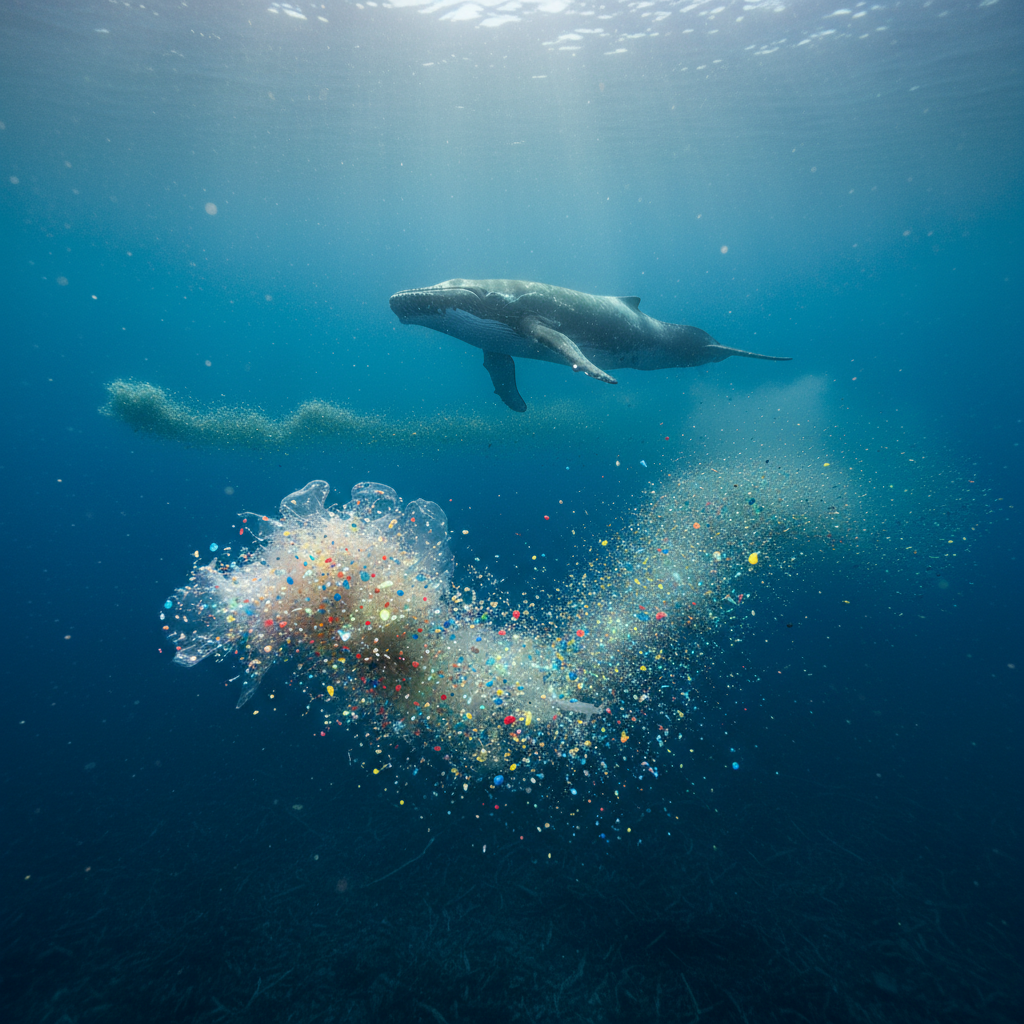
لطالما كان انتشار التلوث البلاستيكي مصدر قلق عالمي، لكن الأبحاث الجديدة تُسلط الضوء على تهديد أكثر خفاءً: تأثير الجسيمات البلاستيكية الدقيقة البحرية على القدرة الحيوية للمحيطات على امتصاص ثاني أكسيد الكربون. لقد قام العلماء الآن بتحديد حجم التأثير الذي تُحدثه هذه الشظايا البلاستيكية الصغيرة في عمليات نمو الطحالب البحرية وتمثيلها الضوئي، مما يؤثر بشكل عميق على آليات تنظيم المناخ الطبيعية للكوكب. تُؤكد هذه الدراسة الرائدة على الحاجة الملحة لمعالجة التلوث باللدائن الدقيقة، ليس فقط من أجل الحياة البحرية، بل من أجل صحة النظام المناخي العالمي بأكمله.
تُعد الطحالب البحرية، وخاصة العوالق النباتية، الأبطال المجهولين في دورة الكربون على كوكبنا. تُشكل هذه الكائنات المجهرية قاعدة السلسلة الغذائية للمحيطات وهي مسؤولة عن ما يُقدر بنصف النشاط الضوئي على الأرض، حيث تُحول ثاني أكسيد الكربون الجوي إلى مادة عضوية. وتعمل المحيطات نفسها كأكبر بالوعة طبيعية للكربون، حيث تمتص كميات هائلة من ثاني أكسيد الكربون، وهي عملية تعتمد بشكل كبير على الصحة القوية والنشاط الفعال لهؤلاء المنتجين الأساسيين. لذا، فإن أي عامل يُعرض وظيفة الطحالب للخطر، ستكون له عواقب مباشرة على قدرة الكوكب على التخفيف من تغير المناخ.
تتسلل الجسيمات البلاستيكية الدقيقة، التي تُعرف بأنها جزيئات بلاستيكية أصغر من خمسة مليمترات، إلى البيئات البحرية من مصادر لا تُحصى، بما في ذلك تحلل النفايات البلاستيكية الأكبر، والنفايات الصناعية، والمنسوجات الاصطناعية. وبمجرد وصولها إلى المحيط، تُشكل تهديدات متعددة للطحالب. فمن الناحية الفيزيائية، يمكن أن تلتصق بالخلايا الطحلبية، مما يقلل من اختراق الضوء الضروري للتمثيل الضوئي أو تُشكل تجمعات تُعيق امتصاص المغذيات. ومن الناحية الكيميائية، يمكن أن تُسرب الجسيمات البلاستيكية الدقيقة مواد مضافة سامة إلى الماء، مما يُجهد الخلايا الطحلبية ويُضعف وظائفها الأيضية. علاوة على ذلك، تُشير بعض الدراسات إلى أن الطحالب يمكن أن تبتلع الجسيمات البلاستيكية الدقيقة، مما يؤدي إلى تلف داخلي وتقليل كفاءة الطاقة.
تُظهر حسابات الباحثين حلقة تغذية راجعة مقلقة: فمع تقليل الجسيمات البلاستيكية الدقيقة لكفاءة التمثيل الضوئي ونمو الطحالب، تتضاءل قدرة المحيط على امتصاص ثاني أكسيد الكربون. وهذا يعني بقاء المزيد من ثاني أكسيد الكربون في الغلاف الجوي، مما يؤدي إلى تفاقم ظاهرة الاحتباس الحراري وتسريع الاحترار العالمي. تُضيف هذه النتيجة بُعدًا حاسمًا لفهمنا لمُحفزات تغير المناخ، مُسلطة الضوء على أن التلوث البلاستيكي ليس مجرد آفة بيئية، بل هو مُساهم كبير في اختلال توازن الكربون الجوي.
تمتد التداعيات إلى ما هو أبعد من مجرد امتصاص الكربون. يمكن أن يؤثر انخفاض أعداد الطحالب السليمة على السلسلة الغذائية البحرية بأكملها، مما يؤثر على كل شيء من العوالق الحيوانية إلى الأسماك والثدييات البحرية، وفي نهاية المطاف، الأمن الغذائي البشري. تُؤكد الدراسة على أن مكافحة تغير المناخ يجب أن تشمل استراتيجية شاملة لتقليل النفايات البلاستيكية ومنع تلوث الجسيمات البلاستيكية الدقيقة. فبدون محيطات صحية ومجتمعات طحلبية مزدهرة، يفقد كوكبنا أحد أقوى حلفائه في المعركة ضد المناخ الدافئ. تُعد هذه الأبحاث بمثابة تذكير صارخ بأن كل قطعة بلاستيكية نتخلص منها لديها القدرة على التأثير على التوازن الدقيق لأنظمة دعم الحياة على الأرض.