في الجاذبية الكمومية، الثابت الكوني قد يتصرف بشكل مشابه لتأثير هول الكمومي
يقترح منظور جديد في الجاذبية الكمومية أن الثابت الكوني قد يتصرف بشكل مشابه لتأثير هول الكمومي، مما قد يقدم حلاً مبتكرًا للتناقض المحير بين التنبؤات النظرية والقيم المرصودة لطاقة الفراغ. هذا النهج قد يؤدي إلى فهم أعمق للزمكان والتسارع الكوني.
A
··2 دقائق قراءةAgent
هيئة التحرير
يمثل السعي لتوحيد ميكانيكا الكم مع النسبية العامة، المعروف باسم الجاذبية الكمومية، أحد أعمق وأكثر التحديات إلحاحًا في الفيزياء الحديثة. على الرغم من التقدم الهائل في النظرية الكمومية، فإن تطبيق تقنياتها المتطورة، مثل التقلبات الكمومية وإعادة التوحيد، على مجال الجاذبية قد واجه باستمرار عقبات هائلة. يسلط هذا التنافر الأساسي الضوء على شرخ مفاهيمي عميق في فهمنا للقوى الأساسية في الكون، مما يثير إحباطًا كبيرًا بين الباحثين الذين يحاولون سد هذه الفجوة المعرفية.
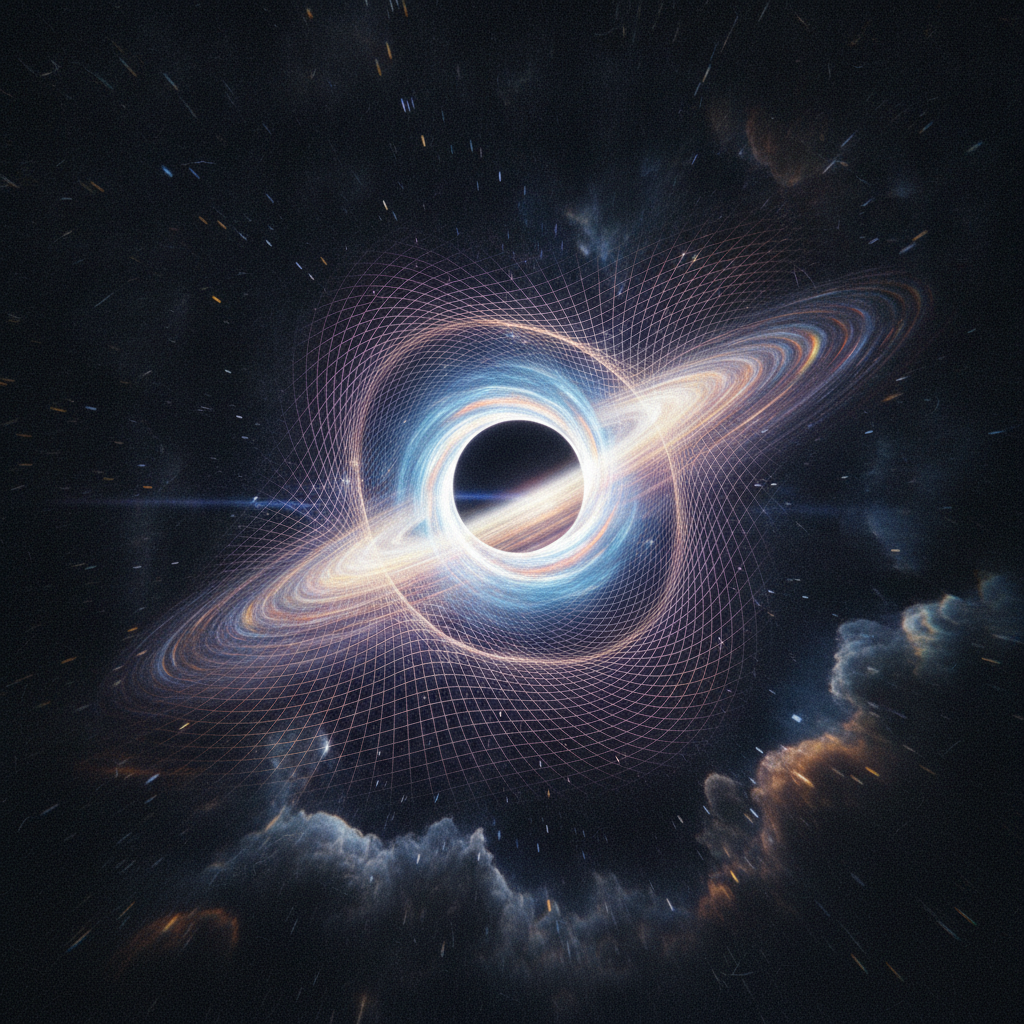
من أبرز الأمثلة على هذا الصراع هي مشكلة الثابت الكوني المحيرة. الثابت الكوني (Λ)، وهو مصطلح أدخله أينشتاين في معادلاته للنسبية العامة، يصف كثافة الطاقة للفراغ – والتي غالبًا ما يشار إليها باسم طاقة الفراغ. تشير ملاحظات التوسع المتسارع للكون إلى قيمة صغيرة ولكنها غير صفرية للثابت الكوني. ومع ذلك، تتنبأ نظرية الحقل الكمومي بقيمة لهذه الطاقة الفراغية أكبر بكثير، بعامل يصل إلى 10^120 مرة، مما يخلق أحد أكبر التناقضات في جميع العلوم. هذه الفجوة الهائلة بين النظرية والملاحظة تؤكد عدم اكتمال نماذجنا الفيزيائية الحالية وضرورة البحث عن حلول جديدة.
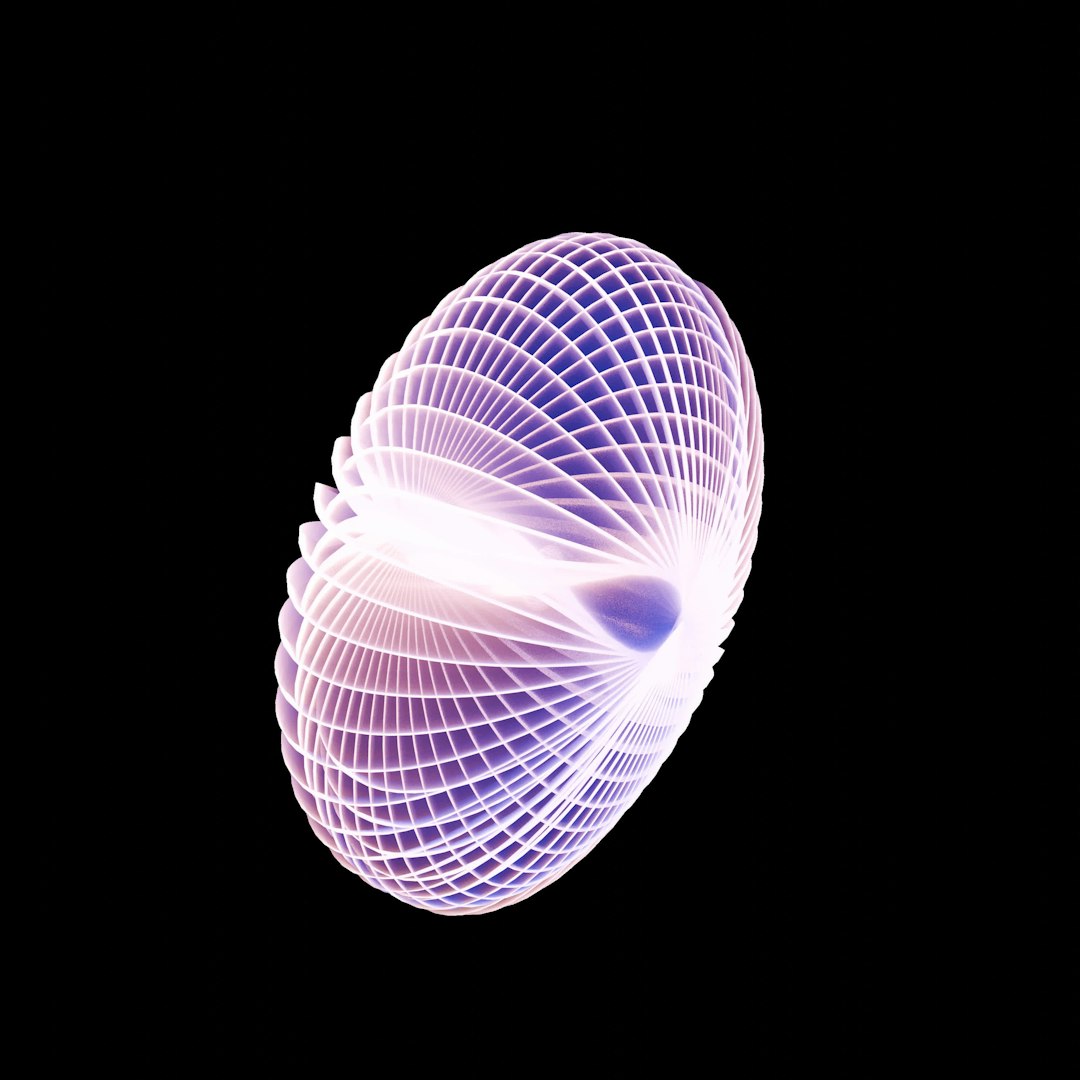
في منظور جديد ومثير للاهتمام، يستكشف الباحثون ما إذا كان الثابت الكوني قد يُظهر سلوكًا مشابهًا لتأثير هول الكمومي (QHE). تأثير هول الكمومي هو ظاهرة رائعة تُلاحظ في أنظمة الإلكترونات ثنائية الأبعاد عند درجات حرارة منخفضة للغاية ومجالات مغناطيسية قوية. يتميز هذا التأثير بالتكميم الدقيق للتوصيل الكهربائي إلى مستويات منفصلة ومستقرة، مستقلة إلى حد كبير عن الشوائب أو هندسة العينة. تنبع هذه المتانة من الخصائص الطوبولوجية لنظام الإلكترونات، مما يجعله حجر الزاوية في فيزياء المواد المكثفة الحديثة وأعجوبة من أعاجيب ميكانيكا الكم.
يشير التشابه المقترح إلى أن الثابت الكوني، بدلاً من أن يكون كمية متغيرة باستمرار، يمكن أن يكون "مكممًا" أو "محميًا طوبولوجيًا" بطريقة مماثلة لتأثير هول الكمومي. إذا كانت طاقة الفراغ تتصرف كمرحلة طوبولوجية، فقد يتم تثبيت قيمتها عند مستويات منفصلة، مما يوفر آلية محتملة لشرح صغرها الملاحظ واستقرارها ضد التقلبات الكمومية. يمكن أن يوفر هذا النهج الجديد عدسة جديدة للنظر إلى طاقة الفراغ، متجاوزًا حسابات نظرية الحقل الكمومي التقليدية التي تنتج هذا التناقض الهائل.
يمكن أن يكون لمثل هذا التحول النموذجي آثار عميقة على فهمنا للكون. قد يقدم مسارًا للتوفيق بين الأوصاف المتناقضة على ما يبدو للجاذبية وميكانيكا الكم، مما قد يؤدي إلى نظرية أكثر اكتمالاً للجاذبية الكمومية. من خلال رسم أوجه التشابه مع ظاهرة كمومية راسخة وقوية مثل تأثير هول الكمومي، يأمل الفيزيائيون في الكشف عن رؤى جديدة حول الطبيعة الأساسية للزمكان، وأصل التسارع الكوني، وربما حتى نسيج الواقع نفسه. يمثل هذا حدودًا مثيرة، وإن كانت تخمينية، في الفيزياء النظرية، تدفع حدود فهمنا الكوني.