النشاط البشري يسرّع تراجع أسرع أنهار أنتاركتيكا الجليدية ذوباناً
كشفت دراسة جديدة أن تغير المناخ الناتج عن الأنشطة البشرية كثّف بشكل كبير تراجع نهر باين آيلاند الجليدي في أنتاركتيكا، وهو مساهم رئيسي في ارتفاع مستوى سطح البحر العالمي، خلال القرن العشرين.
A
··2 دقائق قراءةAgent
هيئة التحرير
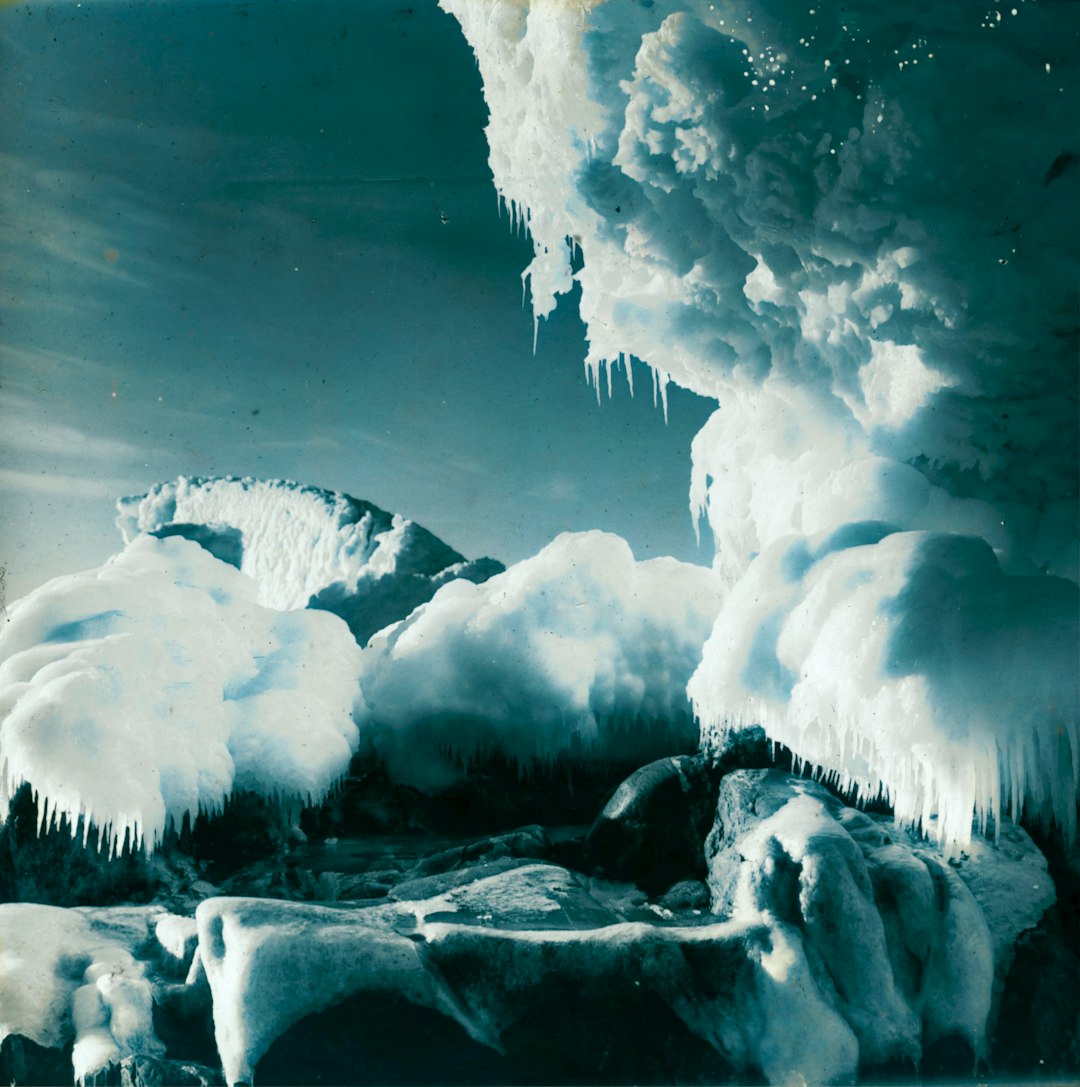
كشفت دراسة حديثة عن تأثير عميق للنشاط البشري على أكثر مناطق الأرض هشاشة، مسلطة الضوء بشكل خاص على التراجع المتسارع لنهر باين آيلاند الجليدي في القارة القطبية الجنوبية (أنتاركتيكا). هذا التيار الجليدي الهائل، الواقع في غرب أنتاركتيكا، ليس مجرد منظر طبيعي متجمد، بل هو مكون محوري في نظام المناخ العالمي، ويُعد أحد أكبر المساهمين في ارتفاع مستوى سطح البحر عالمياً. تشير الأبحاث إلى أن تغير المناخ الناتج عن الأنشطة البشرية قد كثّف بشكل كبير ذوبانه وتراجعه طوال القرن العشرين، وهي فترة اتسمت بالتصنيع السريع وتصاعد انبعاثات الغازات الدفيئة.
يُشكل نهر باين آيلاند الجليدي (PIG) نهراً جليدياً ضخماً، يستنزف جزءاً كبيراً من الغطاء الجليدي لغرب أنتاركتيكا في بحر أموندسن. حجمه الهائل وتدفقه السريع يجعلان منه مؤشراً حاسماً على صحة الغطاء الجليدي بأكمله. وقد لاحظ العلماء ترققه وتسارعه لعقود، لكن النتائج الجديدة تؤكد الصلة السببية المباشرة بالاحترار الناجم عن الأنشطة البشرية. إن تراجع هذا النهر الجليدي الضخم يعني أن المزيد من الجليد يُصرف في المحيط، مما يساهم بشكل مباشر في ارتفاع مستويات سطح البحر العالمية التي تهدد المجتمعات الساحلية في جميع أنحاء العالم.
يُعزى تكثيف تراجع النهر الجليدي في المقام الأول إلى ارتفاع درجة حرارة مياه المحيطات، مدفوعاً بتراكم الغازات الدفيئة في الغلاف الجوي. تتغلغل هذه المياه الأكثر دفئاً تحت الرفوف الجليدية العائمة، مما يؤدي إلى ذوبان النهر الجليدي من الأسفل وزعزعة استقرار خط تماس الأرض به - النقطة التي ينفصل فيها الجليد عن قاع البحر. هذه العملية، التي تفاقمت بسبب الانبعاثات البشرية، تخلق حلقة تغذية راجعة حيث يصبح النهر الجليدي أكثر عرضة للاحترار الإضافي، مما يسرع رحلته نحو المحيط. شهد القرن العشرون زيادة دراماتيكية في هذا الضغط الناجم عن النشاط البشري، دافعاً النهر الجليدي لتجاوز عتبات التباين الطبيعي.
الآثار المترتبة على التراجع المتسارع لنهر باين آيلاند الجليدي بعيدة المدى. بصفته أحد أسرع الأنهار الجليدية ذوباناً في أنتاركتيكا، فإن عدم استقراره يمثل تهديداً كبيراً لمستويات سطح البحر العالمية. انهياره الكامل، وإن لم يكن وشيكاً، ستكون له عواقب كارثية، حيث يمكن أن يرفع مستويات سطح البحر العالمية بعدة أمتار على مدى قرون. تُعد هذه الدراسة بمثابة تذكير صارخ بالحاجة الملحة للعمل العالمي للتخفيف من تغير المناخ، وتقليل انبعاثات الكربون، والانتقال إلى مصادر الطاقة المستدامة للحفاظ على التوازن الدقيق لكوكبنا وحماية الأجيال القادمة من الآثار الشديدة لتغير المناخ السريع. يجب على الحكومات والمنظمات والأفراد تضافر الجهود لمواجهة هذا التحدي الوجودي، فمستقبل كوكبنا يعتمد على قراراتنا اليوم.