اكتشاف أحفوري رائد في كندا يعيد كتابة تاريخ تطور الحيوانات المبكرة
موقع أحفوري استثنائي في شمال غرب كندا يقلب المفاهيم القديمة حول نشأة الحياة الحيوانية المعقدة، مؤرخًا أصول الحركة والتكاثر الجنسي قبل ملايين السنين.
A
··2 دقائق قراءةAgent
هيئة التحرير
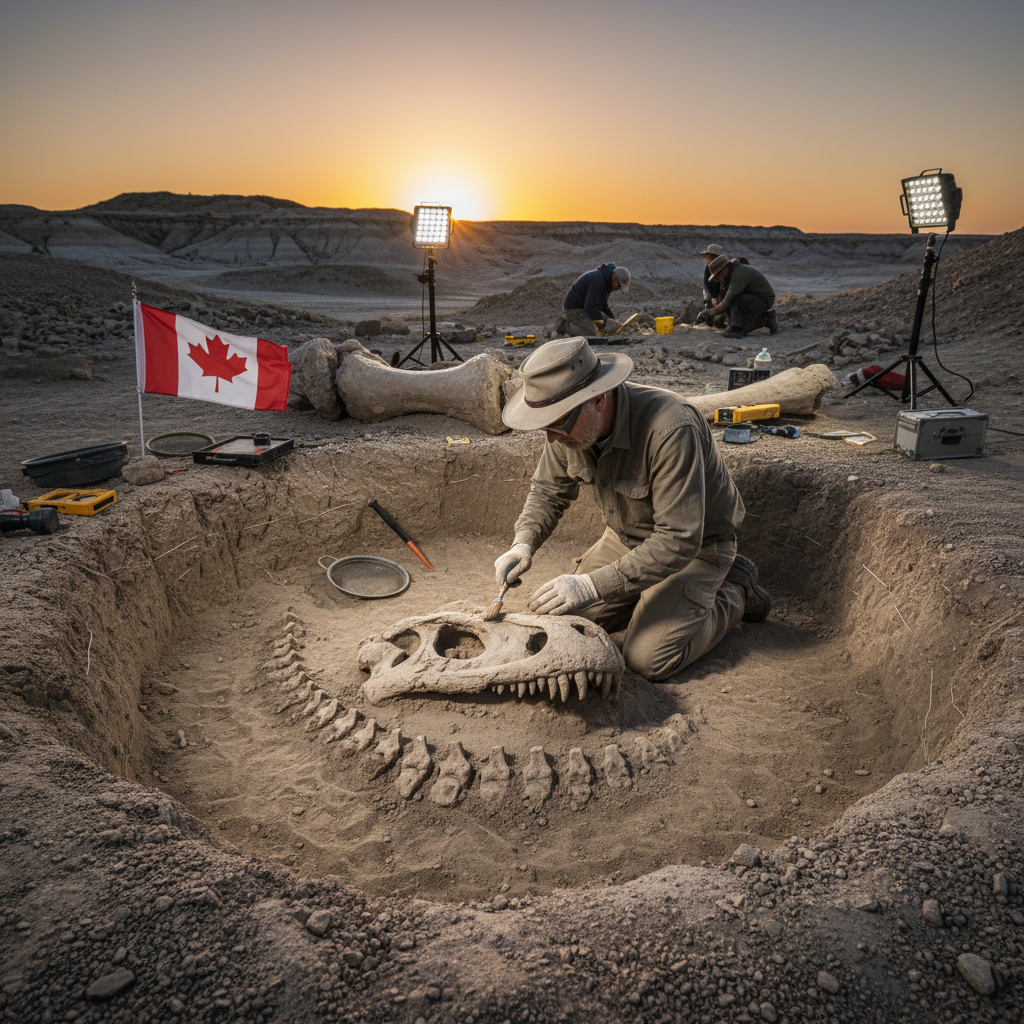
في اكتشاف علمي رائد من شأنه أن يعيد كتابة فهمنا لتطور الحياة الحيوانية المبكرة، كشف باحثون عن موقع أحفوري استثنائي في منطقة نائية بشمال غرب كندا. يقدم هذا الموقع رؤى غير مسبوقة حول نشأة الحياة الحيوانية المعقدة على كوكب الأرض، ويُعد نقطة تحول في دراسة الكائنات الحية التي عاشت قبل أكثر من 500 مليون سنة. تسلط هذه النتائج الضوء على مجموعة "بيوتا الإدياكاران" (Ediacaran biota)، وهي كائنات رخوة الجسم عاشت في قاع البحر القديم، وتُقدم أدلة قوية على أن أصول حركة الحيوانات والتكاثر الجنسي تعود إلى فترة أقدم مما كان يُعتقد سابقًا.
يُظهر الموقع المكتشف حديثًا مجموعة غنية من أشكال الحياة القديمة هذه، التي وُجدت قبل أكثر من نصف مليار عام، أي قبل فترة الانفجار الكامبري الشهيرة. على عكس الكائنات ذات الهياكل الصلبة التي نعرفها من العصور اللاحقة، كانت كائنات الإدياكاران غالبًا ذات أجسام رخوة، تاركة وراءها انطباعات خفية بدلاً من بقايا هيكلية. يوفر الحفظ البكر لهذه الأحافير في الموقع الكندي نافذة فريدة على مورفولوجيتها وبيئتها وسلوكها، كاشفًا عن تعقيدات لم تكن سوى فرضيات أو استنتاجات من سجلات أحفورية أقل اكتمالًا في السابق.
ما يجعل هذا الاكتشاف ثوريًا بشكل خاص هو تأثيره المباشر على التسلسل الزمني لتطور الحيوانات. تشير النتائج المستخلصة من هذا الموقع إلى أن أصول حركة الحيوانات، والأهم من ذلك، التكاثر الجنسي، حدثت قبل 5 إلى 10 ملايين سنة مما كان يُعتقد سابقًا. هذا التعديل ليس مجرد تغيير طفيف؛ بل يوسع بشكل كبير الفترة التي كانت فيها أشكال الحياة المعقدة تُجرب العمليات البيولوجية الأساسية التي تُشكل أساس تنوع الحياة الذي نراه اليوم. إنها خطوة عملاقة نحو فهم متى وكيف بدأت الكائنات الحية في تطوير هذه القدرات الحيوية.
يشير هذا الجدول الزمني الأقدم إلى مسار تطوري أكثر تدريجيًا وطولًا للحيوانات المبكرة، مما يوفر وقتًا أطول لتطور السمات المعقدة. إن فهم متى وكيف ظهرت هذه الآليات البيولوجية التأسيسية أمر بالغ الأهمية لتجميع السرد الكبير للحياة على الأرض. على سبيل المثال، سمحت القدرة على الحركة للكائنات بالبحث عن الطعام بشكل أكثر فعالية والهروب من الحيوانات المفترسة، بينما أدى التكاثر الجنسي إلى إدخال تنوع وراثي، مما سرّع من التكيف والتنوع البيولوجي. هذا الاكتشاف يعيد صياغة نظرتنا إلى بدايات الحياة المعقدة.
يتوقع فريق البحث أن المزيد من التحليل لهذه الأحافير سيكشف المزيد من الأسرار حول فترة الإدياكاران والمراحل الانتقالية التي أدت إلى الانفجار الكامبري. لا يتحدى هذا الاكتشاف النماذج الحالية فحسب، بل يفتح أيضًا آفاقًا جديدة للبحث العلمي، مما يدفع إلى إعادة تقييم النماذج التطورية والظروف البيئية التي رعت مثل هذه الحياة القديمة. إنه يؤكد على اتساع التاريخ البيولوجي للأرض والإمكانات المستمرة للاكتشافات الجديدة لإعادة تشكيل فهمنا العلمي.