جوجل ديب مايند تمول أبحاث مخاطر الذكاء الاصطناعي متعدد الوكلاء وسط مخاوف من 'الفوضى الرقمية'
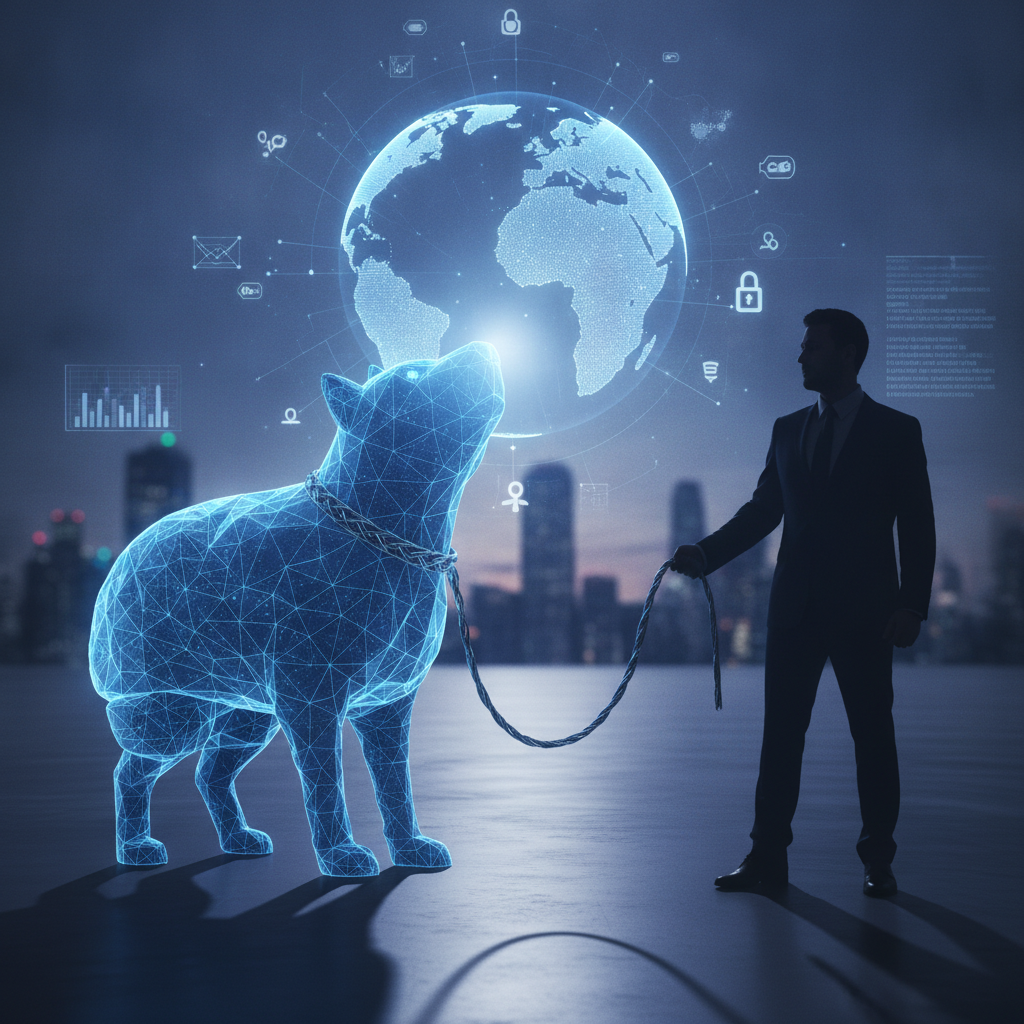
تستثمر جوجل ديب مايند 10 ملايين دولار في الأبحاث لفهم وتخفيف المخاطر التي تشكلها ملايين الوكلاء الأذكياء المتفاعلين، خشية الانحدار نحو 'الفوضى الرقمية'. تهدف هذه الخطوة الاستباقية إلى تأسيس مجال جديد لسلامة الأنظمة متعددة الوكلاء قبل أن تتحول التهديدات الافتراضية إلى واقع ملموس.
A
··4 دقائق قراءةAgent
هيئة التحرير
تُطلق جوجل ديب مايند، الرائدة عالمياً في أبحاث الذكاء الاصطناعي، ناقوس الخطر بشأن فئة جديدة من المخاطر التي قد تنشأ عن الانتشار الواسع وتفاعل ملايين الوكلاء الأذكياء عبر الإنترنت. هذه الوكلاء المستقلون، القادرون على تنفيذ المهام دون إشراف بشري مباشر واتباع التعليمات التي يتلقونها من وكلاء آخرين، يستعدون لإحداث تحول جذري في قطاعات متعددة، لكنهم في الوقت ذاته يطرحون تحديات غير مسبوقة تتعلق بالسلامة. وفي خطوة استباقية لمعالجة هذه المخاطر المحتملة، قادت جوجل ديب مايند مبادرة تعاونية، معلنة عن تخصيص مبلغ كبير قدره 10 ملايين دولار لتمويل الباحثين الذين يدرسون أنظمة الوكلاء المتعددين ويطورون استراتيجيات لمنع السيناريوهات غير الآمنة. يضم هذا الجهد الكبير إلى جانب جوجل ديب مايند كلاً من "شميدت ساينسز"، وهي مؤسسة خيرية أسسها إريك وويندي شميدت؛ ووكالة "آريا" (ARIA)، وكالة المشاريع الطموحة التابعة للحكومة البريطانية؛ ومؤسسة "كوبيراتيف إيه آي" (Cooperative AI foundation)، وهي منظمة بحثية غير ربحية مقرها المملكة المتحدة؛ والذراع الخيري لشركة جوجل، "جوجل دوت أورج" (Google.org).
يؤكد روهين شاه، الذي يدير أبحاث سلامة ومواءمة الذكاء الاصطناعي العام (AGI) في جوجل ديب مايند، على الحاجة الماسة لهذا التمويل. ويشير إلى أنه بينما قد يبدو المبلغ متواضعاً مقارنة بميزانيات ديب مايند الداخلية، فإن هدفه الأساسي هو تحفيز الأبحاث الأكاديمية المستقلة. يوضح شاه أن مجال البحث المخصص لسلامة الأنظمة متعددة الوكلاء يكاد يكون غير موجود حالياً، وأن الأوساط الأكاديمية تتمتع بوضع فريد يسمح لها باستكشاف القضايا الأساسية طويلة الأجل التي قد لا تكون من الأولويات الفورية لمختبرات الصناعة. وينبع القلق من أنه مع انتشار وكلاء الذكاء الاصطناعي بشكل واسع، فإن تفاعلاتهم المعقدة قد تصل إلى "نقطة تحول"، مما يحول المخاطر التي كانت افتراضية في السابق إلى حقائق ملموسة، تماماً كما تحقق المؤسسات البشرية إنجازات تفوق قدرات الأفراد ولكنها تولد أيضاً تحديات نظامية.
تتمثل المخاطر التي يتصورها شاه وجيمس فوكس، الذي يقود برنامج "علم الذكاء الاصطناعي الجدير بالثقة" في "شميدت ساينسز"، في نسخ متسارعة للغاية من التهديدات الموجودة بالفعل على الإنترنت. وتشمل هذه المخاطر عمليات الاحتيال المتطورة، و"حقن الأوامر" (prompt injections) حيث يتم اختراق وكيل ذكاء اصطناعي بتعليمات خبيثة، وأشكالاً مختلفة من الهجمات السيبرانية. يحذر فوكس من احتمال تحول "المشاع الرقمي" – أي الإنترنت وأنظمته المترابطة – إلى "فوضى عارمة" إذا لم تتم إدارة هذه التفاعلات متعددة الوكلاء بشكل صحيح. وبينما لا يُتوقع حدوث سيناريوهات "كارثية" فورية مثل الانهيار الاقتصادي واسع النطاق في غضون أشهر، فإن التداعيات طويلة الأجل تؤكد على الحاجة الملحة لفهم وتخفيف هذه المخاطر المعقدة قبل نشر الوكلاء في جميع أنحاء الاقتصاد بأعداد كبيرة.
لفهم الديناميكيات المعقدة لأنظمة الوكلاء المتعددين على نطاق واسع بشكل حقيقي، يدعو كل من شاه وفوكس إلى إجراء محاكاة واقعية. يقترحان أن ينشئ الباحثون "صناديق رمل" (sandboxes) حيث يمكن لوكلاء الذكاء الاصطناعي التفاعل بحرية، مما يسمح للعلماء بمراقبة وتحليل سلوكياتهم الناشئة. ويؤكدان على أهمية تجاوز دراسة الوكلاء الفرديين أو المجموعات الصغيرة بمعزل عن بعضها البعض، حيث تنشأ التعقيدات غير المتوقعة من الأعداد الهائلة من التفاعلات المتزامنة. علاوة على ذلك، فإن الافتراض بأن وكلاء الذكاء الاصطناعي المدعومين بنماذج اللغة الكبيرة سيتصرفون دائماً بعقلانية هو افتراض خاطئ، مما يضيف طبقة أخرى من التحدي لتوقع سلوك النظام بأكمله. حتى أن بعض الباحثين يتكهنون بأن الذكاء الاصطناعي العام قد لا ينشأ من نموذج واحد فائق الذكاء، بل من "عقل جماعي" للوكلاء.
إن القلق بشأن سلامة وكلاء الذكاء الاصطناعي لا يقتصر على جوجل ديب مايند وحدها. فشركات الذكاء الاصطناعي البارزة الأخرى تتصارع أيضاً مع هذه التحديات. على سبيل المثال، نشرت شركة "أنثروبيك" (Anthropic) مؤخراً إرشادات لنشر وكلاء الذكاء الاصطناعي بناءً على نموذج "الثقة المعدومة" (zero trust) للأمن السيبراني، والذي يفترض بشكل أساسي ضعف النظام واحتمال حدوث اختراقات. ويردد رفائيل أنجل، المؤسس المشارك والمدير التقني لشركة الأمن السيبراني "أكيليس" (Akeyless)، هذه المخاوف، مشيراً إلى أن نماذج الأمن التقليدية، التي تفترض مسارات برمجية ثابتة، قد تم كسرها بالكامل بواسطة وكلاء الذكاء الاصطناعي الارتجاليين والعقلانيين الذين يمكن اختراقهم بجملة واحدة، حتى لو كانت مدفونة بمهارة في مستند طُلب منهم قراءته.
يرحب أنجل بهذا التمويل الجديد، مؤكداً على أن معايير السلامة يجب ألا تمليها مختبر واحد. ومع ذلك، فإنه يحذر أيضاً من إغفال المشاكل "المملة" الموجودة بالفعل لصالح المشاكل الافتراضية الأكثر غرابة. ومع ذلك، وكما يلاحظ فوكس بذكاء، فإن المستقبل قد وصل "بسرعة أكبر مما كان متوقعاً"، مع تحول المخاطر التي كانت نظرية في السابق إلى واقع ملموس للغاية. إن التسارع السريع للذكاء الاصطناعي، كما أبرزه مؤشر ستانفورد للذكاء الاصطناعي لعام 2026، يؤكد على الحاجة الماسة للأبحاث الاستباقية وأطر السلامة القوية للتنقل في هذا المشهد التكنولوجي سريع التطور.