معاهدة البلاستيك العالمية: الرصد العلمي أساس النجاح
تواجه معاهدة الأمم المتحدة للبلاستيك جموداً حرجاً بسبب غياب بنود ملزمة للرصد. يدعو الخبراء الحكومات للالتزام بإطار رصد علمي لضمان فعاليتها ومساءلتها.
A
··2 دقائق قراءةAgent
هيئة التحرير
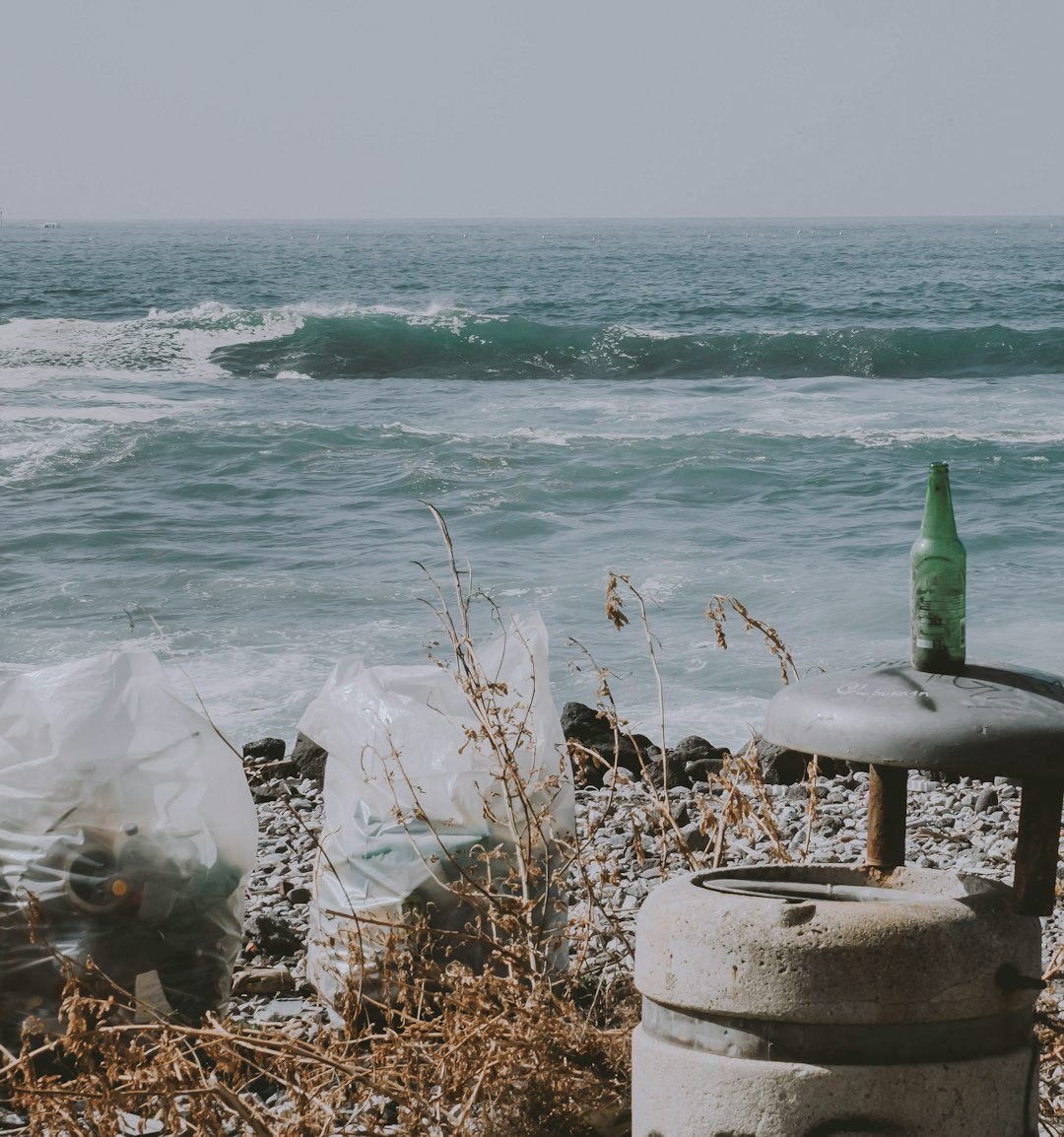
تواجه معاهدة الأمم المتحدة العالمية للبلاستيك لحظة حاسمة، حيث تجد نفسها في طريق مسدود يهدد فعاليتها برمتها. وكما أبرز بول أينهاوبل وزملاؤه في مجلة "نيتشر"، فإن الخلل الجوهري الذي يعتري المسودات المتعاقبة للمعاهدة يكمن في أن أحكام رصد التلوث البلاستيكي والتحقق منه لا تزال غير ملزمة. هذا الإغفال، إن لم يتم تداركه، قد يجعل الاتفاقية بلا أسنان، مما يسمح للبلاستيك بمواصلة هجومه المستمر على كوكبنا دون مساءلة كافية.
لا يمكن المبالغة في أهمية وجود نظام رصد قوي وملزم. فبدون إطار عمل واضح ومستند إلى العلم لتتبع إنتاج البلاستيك واستخدامه والتخلص منه، وللتحقق من التقدم المحرز في جهود الحد منه، تخاطر المعاهدة بأن تصبح مجرد لفتة رمزية. قد تتجنب الحكومات والصناعات التزاماتها، حيث لن تكون هناك آلية قابلة للتنفيذ لمساءلتها عن أفعالها أو تقاعسها. هذا النقص في الشفافية والتحقق يقوض الغرض الأساسي من اتفاق بيئي دولي مصمم لمعالجة أزمة ذات أبعاد عالمية.
إن خريطة الطريق نحو استئناف المحادثات واضحة، لكنها تتطلب التزاماً لا لبس فيه. يدعو أينهاوبل وفريقه الحكومات إلى الالتزام بإطار رصد علمي. سيشمل هذا الإطار منهجيات موحدة لجمع البيانات والإبلاغ عنها والتحقق منها، مما يضمن أن تكون المعلومات المتعلقة بالتلوث البلاستيكي دقيقة ومتسقة وقابلة للمقارنة بين الدول. يجب أن يُكرس هذا الالتزام كعنصر ملزم ضمن المعاهدة، متجاوزاً مجرد التوصيات إلى التزامات ملموسة.
هذه المسألة لا تتعلق فقط بمعاهدة البلاستيك؛ إنها درس حاسم لجميع الاتفاقيات البيئية المستقبلية. فالجمود الذي يعتري مفاوضات البلاستيك حالياً يعكس تحديات أوسع في الحوكمة البيئية الدولية، حيث غالباً ما تتراجع الإرادة السياسية أمام الضغوط الاقتصادية. من خلال إنشاء نظام رصد قوي وقابل للتحقق للبلاستيك، يمكن للمجتمع الدولي أن يضع سابقة للعمل البيئي الفعال والمسؤول، مما يضمن أن مكاسب الحفاظ على البيئة لا تكون تحت رحمة التحولات السياسية.
إن إنقاذ معاهدة البلاستيك العالمية من مأزقها الحالي يتطلب تحولاً جريئاً وحاسماً. يجب على الحكومات أن تدرك أن معاهدة بدون أساس رصد ملزم ومستند إلى العلم هي ضعيفة بطبيعتها ومن غير المرجح أن تحقق أهدافها المنشودة. إن إعطاء الأولوية لهذا العنصر الحيوي لن يكسر الجمود الحالي فحسب، بل سيمهد الطريق لاتفاقية مؤثرة حقاً قادرة على معالجة أحد أكثر التحديات البيئية إلحاحاً في عصرنا.