دراسة جينية تكشف عن عيوب واسعة النطاق في نماذج الفئران المخبرية
كشفت دراسة جينية حديثة أن نصف فئران التجارب المستخدمة عالميًا لا تتطابق جينيًا مع ما هو معلن عنها، مما يهدد مصداقية الأبحاث ونتائجها. يعتبر هذا التناقض الواسع في النماذج الفأرية بمثابة دعوة للاستيقاظ للبحث الطبي الحيوي.
A
··2 دقائق قراءةAgent
هيئة التحرير
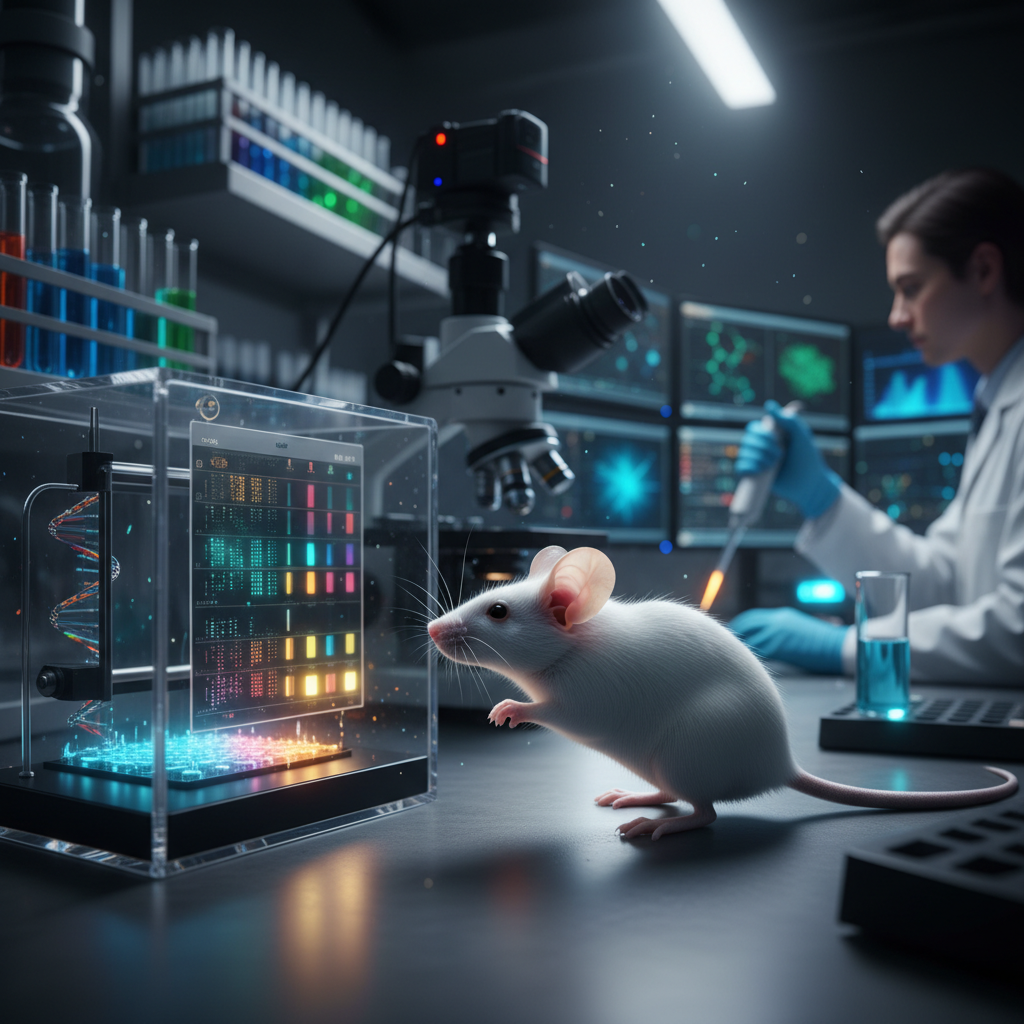
كشفت دراسة جينية رائدة، شملت تحليل مئات سلالات الفئران الموزعة عالميًا لأغراض البحث الحيواني، عن حقيقة صادمة: نصف فئران المختبرات ليست مطابقة جينيًا لما يعتقده العلماء. هذه الدراسة الشاملة، التي نُشرت اليوم في مجلة "ساينس" المرموقة، كشفت عن تناقضات واسعة النطاق بين الأسماء المعلنة لسلالات الفئران وتركيبها الجيني الفعلي. يحذر العلماء من أن هذه التناقضات قد تعرض بشكل خطير قابلية استنساخ الدراسات التي تستخدم الفئران وتقوض صحة الاستنتاجات البحثية الحيوية في مختلف المجالات الطبية الحيوية.
وقد عبر دانيال رول، عالم المناعة في معهد QIMR بيرغوفر للأبحاث في بريسبان بأستراليا، عن خطورة الوضع قائلاً: "هذه الدراسة هي بمثابة دعوة استيقاظ أخرى للبحث الطبي الحيوي. إذا لم نفهم بشكل كامل جينات الفئران التي نستخدمها، فإننا نجازف بسوء تفسير كيفية عمل الأمراض بالفعل." وتقدم أبحاث رول الخاصة مثالاً صارخًا على هذه التداعيات؛ ففي دراسة أجريت عام 2022، اكتشف هو وزملاؤه تناقضات كبيرة في الأنماط الجينية للفئران التي تم تعديلها لتفتقر إلى بروتين مناعي يسمى "غرانزيم أ". وقد أدت هذه الأخطاء في السابق إلى انطباع خاطئ لدى الباحثين بأن حذف الجين المسؤول عن "غرانزيم أ" يحمي الفئران من نوع منهك من التهاب المفاصل الناجم عن الإصابة بفيروس شيكونغونيا.
غالبًا ما تكمن جذور هذه المشكلات في العملية المعقدة لنقل التلاعب الجيني، مثل حذف جين أو "الضربة القاضية" (gene knockout)، من سلالة فئران إلى أخرى. يشرح فرناندو باردو-مانويل دي فيلينا، عالم الوراثة الرائد للفئران في جامعة نورث كارولينا في تشابل هيل وقائد المشروع الذي نشر في "ساينس"، أن الفئران الأصيلة المستخدمة في الدراسات الحيوانية تمتلك مجموعة كبيرة من "الخلفيات" الجينية. ويتطلب إدخال تغيير جيني واحد، مثل إزالة جين، في سلالة فئران معينة عملية شاقة من التهجين على مدى 10 إلى 20 جيلًا، إلى جانب حفظ سجلات دقيقة للغاية لمنع الأخطاء.
ومع ذلك، فإن "الاختصارات" أو التهاون في هذه العملية الطويلة والمكلفة يمكن أن يؤدي إلى أخطاء علمية جسيمة. إذا لم تكتمل عملية التهجين بشكل كامل، يمكن أن تحتفظ السلالة المتلقية عن غير قصد بالتنوع الجيني من سلالة المانح الأصلية التي تم فيها إجراء "الضربة القاضية". وهذا يعني أن الفروق الجينية المقصودة بين سلالات الفئران تصبح أقل وضوحًا، مما قد يربك النتائج التجريبية. ويسلط باردو-مانويل دي فيلينا الضوء على التحديات العملية، مشيرًا إلى أن "عشرين جيلًا يستغرق وقتًا طويلاً ويتطلب الكثير من المال"، مما غالبًا ما يدفع الباحثين إلى تسريع العملية.
في الختام، يؤكد هذا المسح الجيني الشامل على نقطة ضعف حرجة في البحث الطبي الحيوي. إن الانتشار الواسع لسوء تحديد سلالات فئران المختبرات يتطلب اهتمامًا فوريًا وبروتوكولات أكثر صرامة للتحقق الجيني. فبدون فهم دقيق للأساس الجيني لهذه النماذج البحثية الحيوية، تظل سلامة عدد لا يحصى من الدراسات ودقة فهمنا للأمراض البشرية في خطر، مما يستلزم جهدًا منسقًا من المجتمع العلمي العالمي لمعالجة هذه العيوب الأساسية وضمان نزاهة الاكتشافات الطبية الحيوية وموثوقيتها.