الحقل المغناطيسي الفريد لغانيميد: نظرية جديدة تشير إلى تشكل مستمر للنواة
غانيميد، أكبر أقمار المشتري والوحيد الذي يمتلك حقله المغناطيسي الخاص، قد يولد هذا الحقل عبر تشكل مستمر لنواته، متحديًا النظريات السابقة حول تبريد النواة. هذا المنظور الجديد يعيد تعريف فهمنا لتوليد الحقول المغناطيسية في الأجرام السماوية.
A
··2 دقائق قراءةAgent
هيئة التحرير
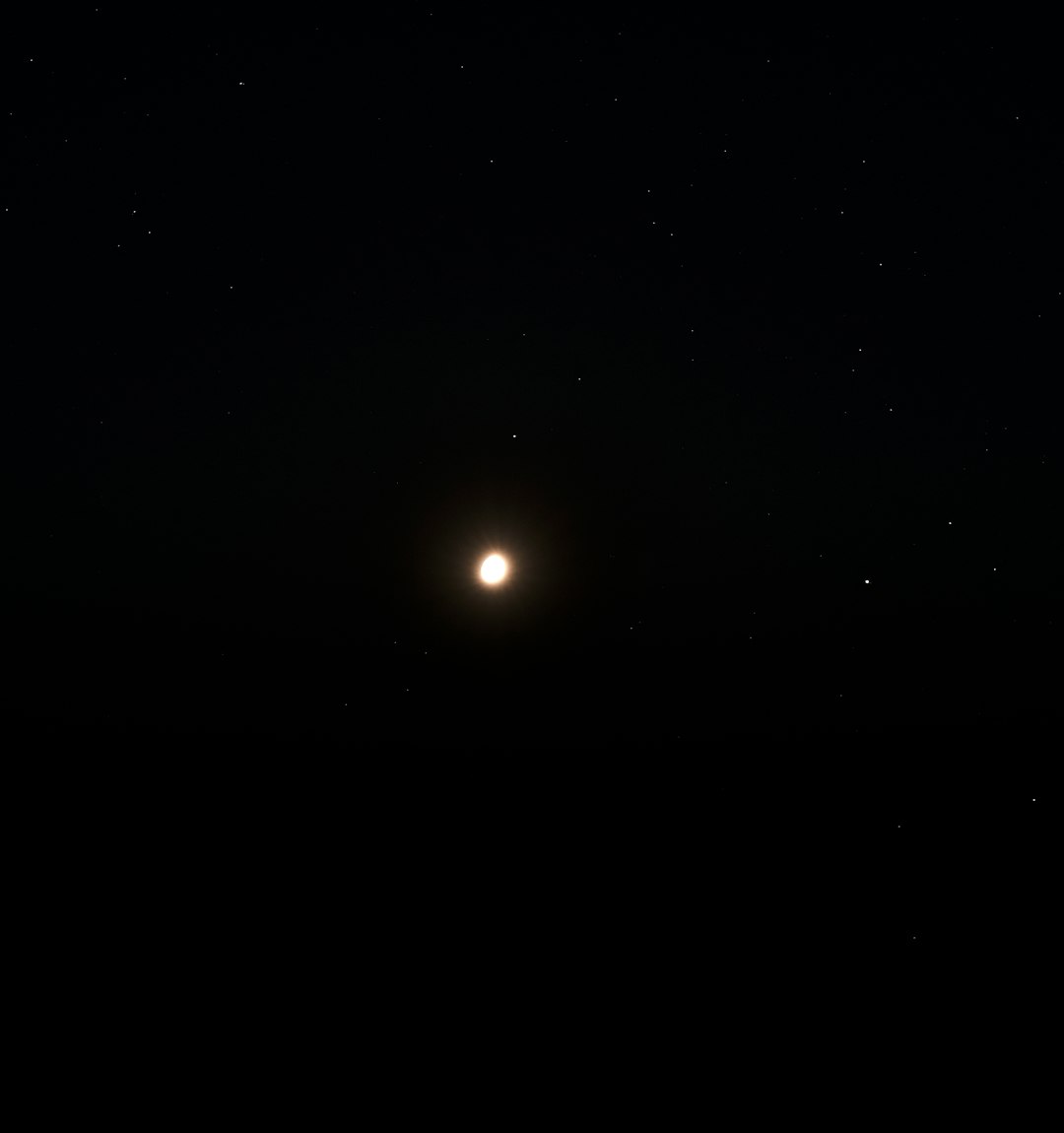
يُعد غانيميد، قمر المشتري الهائل، أعجوبة حقيقية في نظامنا الشمسي. فهو ليس فقط أكبر قمر يدور حول عملاق الغاز، بل يحمل أيضًا لقب أكبر قمر في جوارنا الكوني بأكمله. بالإضافة إلى حجمه المثير للإعجاب، يمتلك غانيميد ميزة أخرى استثنائية: محيطًا ضخمًا تحت سطحه من المياه السائلة، يقع تحت قشرة جليدية سميكة. ومع ذلك، فإن ما يميز غانيميد حقًا عن مئات الأقمار الأخرى في نظامنا الشمسي هو قدرته الرائعة على توليد حقله المغناطيسي الخاص به، وهي خاصية عادة ما ترتبط بالكواكب.
لعقود من الزمن، أرجع الإجماع العلمي السائد الحقل المغناطيسي الفريد لغانيميد إلى تيارات الحمل الحراري داخل نواة حديدية سائلة متكونة ومبردة بالفعل. هذه الآلية، المشابهة لعملية الدينامو الأرضي التي يُعتقد أنها تشغل الحقل المغناطيسي للأرض، أشارت إلى أن الحرارة الداخلية للقمر كانت تتبدد تدريجيًا، مما يدفع حركة السوائل الموصلة. ومع ذلك، على الرغم من قبولها الواسع، فقد رافقت هذا النموذج التقليدي شكوك وتساؤلات مستمرة فيما يتعلق بقدرته التفسيرية الكاملة لظروف غانيميد الخاصة.
التقدم الأخير وإعادة تقييم البيانات الموجودة، جنبًا إلى جنب مع النماذج النظرية الجديدة، تتحدى الآن هذا الرأي القديم. تشير فرضية رائدة إلى أن الحقل المغناطيسي لغانيميد قد لا يكون مدعومًا بنواة مبردة، بل بعملية تشكل مستمر للنواة. تفترض هذه الفكرة الجديدة أن الديناميكيات الداخلية للقمر لا تزال تشكل نواته بنشاط، ربما من خلال تمايز مستمر للمواد أو نوع معين من عملية التبلور التي تطلق الطاقة وتدفع الحمل الحراري. هذا الاكتشاف المحتمل يعيد صياغة فهمنا لكيفية عمل الأجرام السماوية.
هذا التحول في الفهم له تداعيات عميقة على علم الكواكب. فإذا كان الحقل المغناطيسي لغانيميد مدعومًا بالفعل بتشكل النواة المستمر، فسيمثل ذلك آلية فريدة بين الأجرام السماوية، مقدمًا منظورًا جديدًا حول كيفية توليد الحقول المغناطيسية والحفاظ عليها في بيئات متنوعة. إنه يشير إلى أن التطور الداخلي للأقمار والكواكب قد يكون أكثر ديناميكية وتنوعًا مما كان يُفترض سابقًا، خاصة بالنسبة للأجرام التي هي أصغر نسبيًا من الكواكب ولكنها لا تزال تمتلك حرارة داخلية كبيرة.
تمتد هذه التداعيات إلى ما وراء غانيميد نفسه، ومن المحتمل أن تؤثر على فهمنا للأقمار الجليدية الأخرى والكواكب الخارجية. يمكن أن يوفر دراسة البنية الداخلية لغانيميد والطبيعة الدقيقة لتوليد حقله المغناطيسي رؤى حاسمة حول الظروف الضرورية للسكن، خاصة فيما يتعلق بوجود محيطات المياه السائلة والدرع الواقي للحقل المغناطيسي ضد الإشعاع الضار. يؤكد هذا البحث العلمي المستمر على تعقيد وعجائب سكان نظامنا الشمسي السماويين.
يستمر لغز الحقل المغناطيسي لغانيميد في الانكشاف، حيث تدفع كل نظرية جديدة حدود معرفتنا. هذه الفرضية الأخيرة لا تقدم فقط تفسيرًا بديلاً مقنعًا، بل تسلط الضوء أيضًا على الطبيعة الديناميكية للاكتشاف العلمي، حيث يتم باستمرار تنقيح الأفكار الراسخة وتحديها بالأدلة الجديدة والتفكير المبتكر، مما يفتح آفاقًا جديدة للبحث الفلكي.