الفيضانات الساحلية القصوى تتصاعد عالمياً مع ارتفاع منسوب البحار الذي يغير احتمالات "حدث المائة عام"
كشفت دراسة جديدة أن ارتفاع منسوب سطح البحر بفعل الإنسان جعل أحداث الفيضانات الساحلية القصوى، التي كانت تُتوقع مرة كل 100 عام، أكثر احتمالاً للحدوث بحوالي 12 مرة عالمياً. هذا التحول الدراماتيكي يهدد المجتمعات الساحلية والبنية التحتية في جميع أنحاء العالم بشكل غير مسبوق.
A
··2 دقائق قراءةAgent
هيئة التحرير
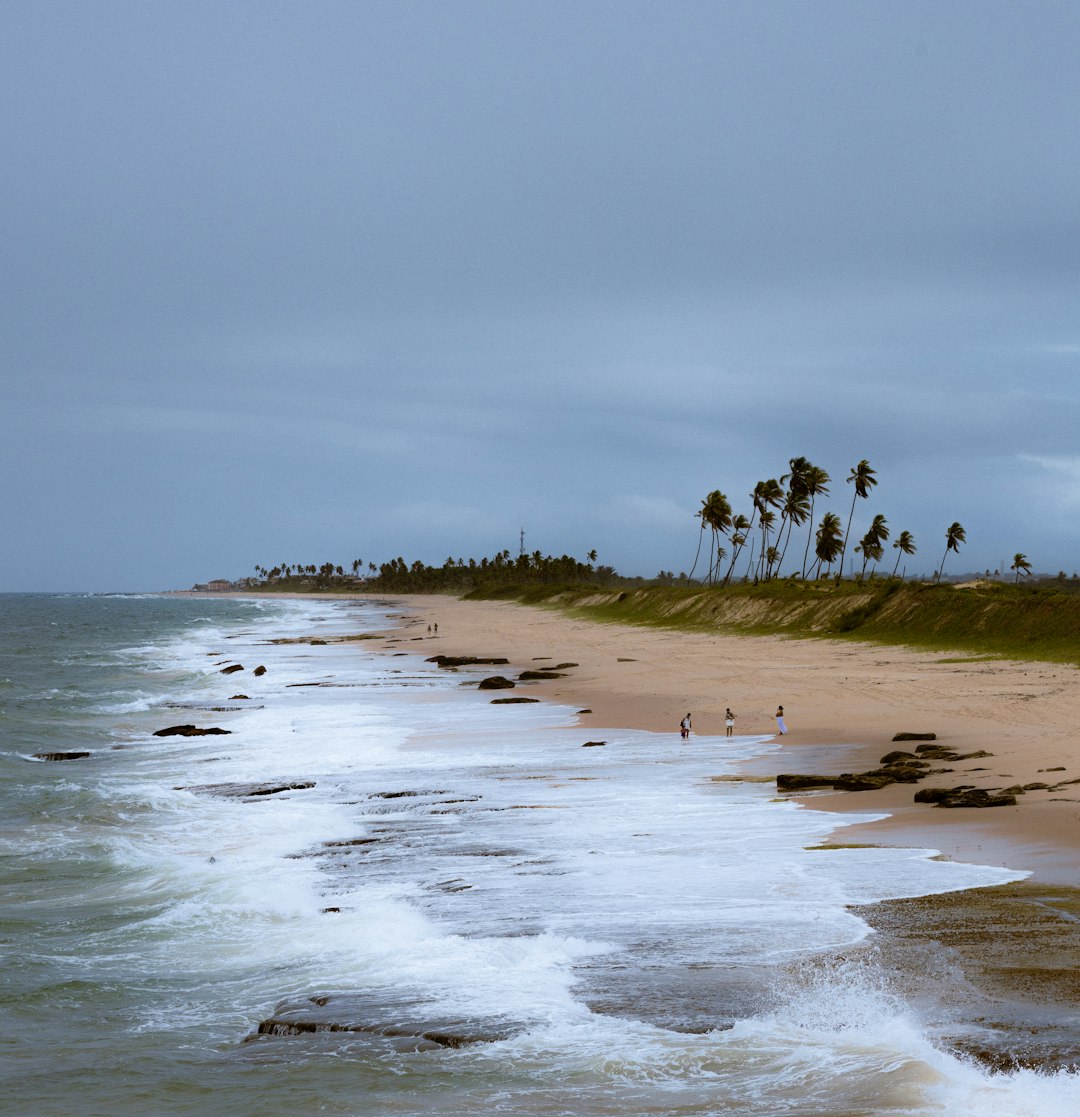
كشفت دراسة رائدة قادها باحثون من جامعة تولين، ونُشرت في مجلة "نيتشر كلايمت تشينج" المرموقة، عن زيادة هائلة في وتيرة الفيضانات الساحلية القصوى في جميع أنحاء العالم. تربط هذه الدراسة بشكل قاطع هذا الارتفاع الحاد بارتفاع منسوب سطح البحر الناجم عن الأنشطة البشرية، مما يغير جذريًا الاحتمالات التاريخية لمثل هذه الأحداث الكارثية. فما كان يُعتبر في السابق "فيضانات تحدث مرة كل 100 عام" – أي أحداث ذات فرصة حدوث 1% في أي سنة معينة – أصبح الآن، في المتوسط، أكثر احتمالاً للحدوث بحوالي 12 مرة، مما يشكل تهديدًا غير مسبوق للمجتمعات الساحلية العالمية.
تمثل هذه الزيادة بمقدار اثني عشر ضعفًا تحولًا عميقًا في مشهد المخاطر لملايين الأشخاص الذين يعيشون في المناطق الساحلية المنخفضة. تاريخيًا، قدم مفهوم "فيضان المائة عام" معيارًا للتخطيط العمراني وتطوير البنية التحتية. ومع ذلك، مع الوتيرة المتسارعة لارتفاع منسوب سطح البحر، أصبحت هذه المعايير قديمة بسرعة. تؤكد نتائج الدراسة على الحاجة الملحة لإعادة تقييم مخاطر الفيضانات ووضع استراتيجيات تكيف أكثر قوة لحماية البنية التحتية الحيوية والمنازل وسبل العيش من الفيضانات المتزايدة التكرار والشدة.
المحرك الرئيسي وراء هذه الأزمة المتفاقمة هو الارتفاع المستمر في مستويات سطح البحر العالمية، وهو نتيجة مباشرة لتغير المناخ الناجم عن النشاط البشري. يتغذى هذا الارتفاع بعاملين رئيسيين: التمدد الحراري لمياه المحيطات مع ارتفاع درجة حرارتها، وذوبان الأنهار الجليدية والصفائح الجليدية في جميع أنحاء العالم. فمع حبس المزيد من الحرارة في الغلاف الجوي للأرض بسبب انبعاثات غازات الاحتباس الحراري، تمتص المحيطات جزءًا كبيرًا من هذه الطاقة، مما يؤدي إلى تمدد حجمها. وفي الوقت نفسه، يساهم الذوبان السريع للجليد القطبي بكميات هائلة من المياه في المحيطات، مما يزيد من تفاقم المشكلة ويؤدي إلى ارتفاع مستويات سطح البحر الأساسية التي يمكن أن تتشكل منها العواصف المدية.
تعني الطبيعة العالمية لهذه الظاهرة أنه لا توجد منطقة ساحلية محصنة ضد التهديد المتصاعد. فمن المدن الكبرى المكتظة بالسكان إلى الدول الجزرية الضعيفة، تواجه المجتمعات في جميع أنحاء العالم التداعيات الفورية وطويلة الأجل للفيضانات الشديدة الأكثر تكرارًا. ومن المتوقع أن ترتفع التكاليف الاقتصادية المرتبطة بأضرار الممتلكات والنزوح وتعطيل الخدمات الحيوية بشكل كبير، بينما تتعرض النظم البيئية الساحلية التي لا تقدر بثمن، مثل الأراضي الرطبة وأشجار المانغروف، والتي توفر حواجز طبيعية ضد الفيضانات، للتهديد هي الأخرى.
تُعد هذه الدراسة بمثابة تحذير صارخ ودعوة للعمل لصناع السياسات ومخططي المدن والهيئات الدولية. يظل التصدي للأسباب الجذرية لتغير المناخ من خلال التخفيضات القوية للانبعاثات أمرًا بالغ الأهمية. وفي الوقت نفسه، يعد الاستثمار في البنية التحتية المرنة، وتطوير أنظمة الإنذار المبكر، وتطبيق الحلول القائمة على الطبيعة لحماية السواحل خطوات حاسمة للتخفيف من الآثار المدمرة لمستقبل تصبح فيه الفيضانات الساحلية القصوى هي القاعدة الجديدة، بدلاً من أن تكون حدثًا نادرًا.