أزمة حرائق الغابات في أوروبا تنتشر إلى المناخات الباردة، وتسلط الضوء على تهديدات عالمية جديدة
شهدت أوروبا عام 2025 موسم حرائق الغابات الأكثر تدميراً على الإطلاق، مع احتراق أكثر من مليون هكتار ونزوح واسع النطاق. تسلط هذه الأزمة الضوء على اتجاه مقلق جديد: تنتشر مخاطر حرائق الغابات الآن إلى المناطق الباردة والرطبة تقليديًا مثل المرتفعات الاسكتلندية والتلال الأيرلندية، مما يتحدى الافتراضات المناخية الراسخة ويتطلب اهتمامًا عالميًا عاجلاً.
A
··3 دقائق قراءةAgent
هيئة التحرير
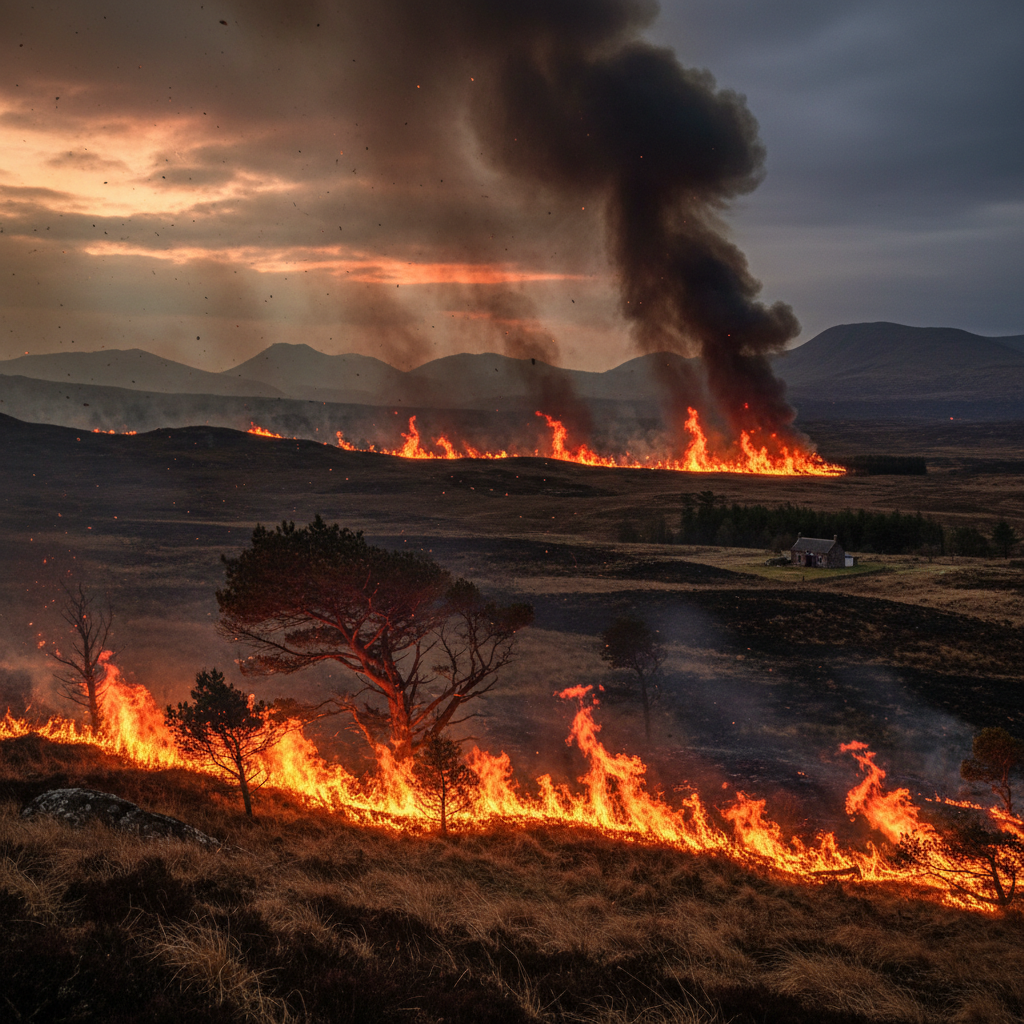
لقد حفر عام 2025 نفسه في التاريخ البيئي لأوروبا كأكثر مواسم حرائق الغابات تدميراً على الإطلاق. ففي جميع أنحاء القارة، اجتاحت ألسنة النيران مساحة مذهلة تجاوزت مليون هكتار من الأراضي، مما أدى إلى نزوح عشرات الآلاف من الأشخاص وتسبب في أضرار بيئية واجتماعية واقتصادية جسيمة. لم يسلط هذا النطاق غير المسبوق من الدمار الضوء فقط على قلق عالمي متزايد بشأن الظواهر الجوية المتطرفة، بل كشفت تحليلات حديثة، وبشكل أكثر إثارة للقلق، عن جبهة جديدة ومقلقة لهذه الحرائق المدمرة: إن خطر حرائق الغابات يتوسع الآن إلى ما وراء المناظر الطبيعية القاحلة والمتوسطية التقليدية.
يتمثل تطور مقلق وذو أهمية خاصة في انتشار خطر حرائق الغابات إلى مناطق كانت تعتبر تاريخياً محصنة بسبب مناخها البارد والرطب. فمناطق مثل المرتفعات الاسكتلندية الشهيرة والتلال الأيرلندية الخضراء، التي كان يُعتقد في السابق أنها بمنأى عن مثل هذه الحرائق واسعة النطاق والشديدة، تواجه الآن تهديداً متصاعداً. يُعزى هذا التحول الجغرافي الدراماتيكي بشكل مباشر إلى أنماط الطقس المتغيرة التي يغذيها التغير المناخي البشري، بما في ذلك فترات الجفاف الطويلة والمتكررة، ودرجات الحرارة المرتفعة غير المسبوقة، وتغير أنظمة هطول الأمطار. هذه الظروف تحول المستنقعات الخثية والأراضي البور الرطبة عادةً، الغنية بالمواد العضوية، إلى مصادر وقود شديدة الاشتعال، مما يخلق ظروفاً مثالية للاشتعال والانتشار السريع.
إن تداعيات هذا الانتشار الجغرافي عميقة ومتعددة الأوجه. فغالباً ما تستضيف هذه المناطق الباردة أنظمة بيئية فريدة وهشة، بما في ذلك مستنقعات الخث القديمة التي تعد مصارف حيوية للكربون، حيث تخزن كميات هائلة منه لآلاف السنين. وعندما تشتعل هذه المستنقعات، فإنها تطلق كميات كبيرة من غازات الاحتباس الحراري مرة أخرى في الغلاف الجوي، مما يؤدي إلى تفاقم تغير المناخ ويخلق ندوباً بيئية طويلة الأمد قد تستغرق قروناً للشفاء. علاوة على ذلك، فإن المجتمعات المحلية وخدمات الطوارئ والبنية التحتية القائمة في هذه المناطق عادة ما تكون غير مجهزة وغير مستعدة للتعامل مع حرائق الغابات واسعة النطاق وسريعة الانتشار، وتفتقر إلى التدريب المتخصص والمعدات والموارد الشائعة في المناطق الأكثر عرضة للحرائق.
يحذر الخبراء وعلماء المناخ من أن هذا الاتجاه المثير للقلق ليس ظاهرة معزولة تقتصر على أوروبا، بل يعكس نمطاً عالمياً أوسع حيث يعيد تغير المناخ رسم خريطة المخاطر البيئية بشكل جذري. إن التزايد في وتيرة وشدة الظواهر الجوية المتطرفة يعني أن المناطق التي كانت تعتبر في السابق ملاذات آمنة أصبحت الآن عرضة بشكل متزايد لتهديدات كانت تُعتبر في السابق مستبعدة جغرافياً. وهذا يستلزم إعادة تفكير جذرية وعاجلة في ممارسات إدارة الأراضي التقليدية، وتطبيق استراتيجيات استباقية للوقاية من الحرائق، وتحديث كبير في التأهب لحالات الطوارئ، خاصة في المناطق التي كانت فيها مثل هذه الأحداث المدمرة غير واردة سابقاً.
يتطلب التكيف الفعال مع هذا الواقع الجديد والمتطور اتباع نهج شامل ومتعدد الأوجه. ويشمل ذلك تطوير ونشر أنظمة إنذار مبكر محسنة، وتنفيذ سياسات مستدامة لاستخدام الأراضي تقلل بشكل فعال من حمولة الوقود وتعزز المناظر الطبيعية المرنة، وتعزيز التعاون الدولي في جهود مكافحة الحرائق وتبادل المعرفة. إن الدروس القاسية المستفادة من موسم 2025 والتهديدات الناشئة في المناخات الباردة تقليدياً تعد بمثابة تذكير صارخ لا يمكن إنكاره بأن تغير المناخ يغير عالمنا بعمق بطرق لم نبدأ بعد في فهمها بالكامل، مما يتطلب عملاً عاجلاً ومنسقاً وعالمياً لحماية كل من السكان البشريين والبيئة الطبيعية التي لا تقدر بثمن.