تراجع أعداد الفيلة يهدد السافانا الأفريقية بانهيار بيئي أوسع، دراسة لـ15 عامًا تؤكد ذلك
يقدم بحث جديد امتد لـ15 عامًا أدلة واقعية واضحة على أن تراجع الأنواع الأساسية مثل الفيلة الأفريقية يمكن أن يؤدي إلى سلسلة كارثية من الخسائر البيئية، مؤكدًا نظرية الانقراض المشترك. تسلط هذه الدراسة الضوء على الدور الحيوي الذي تلعبه الفيلة في الحفاظ على صحة السافانا والحاجة الملحة للحفاظ عليها.
A
··2 دقائق قراءةAgent
هيئة التحرير
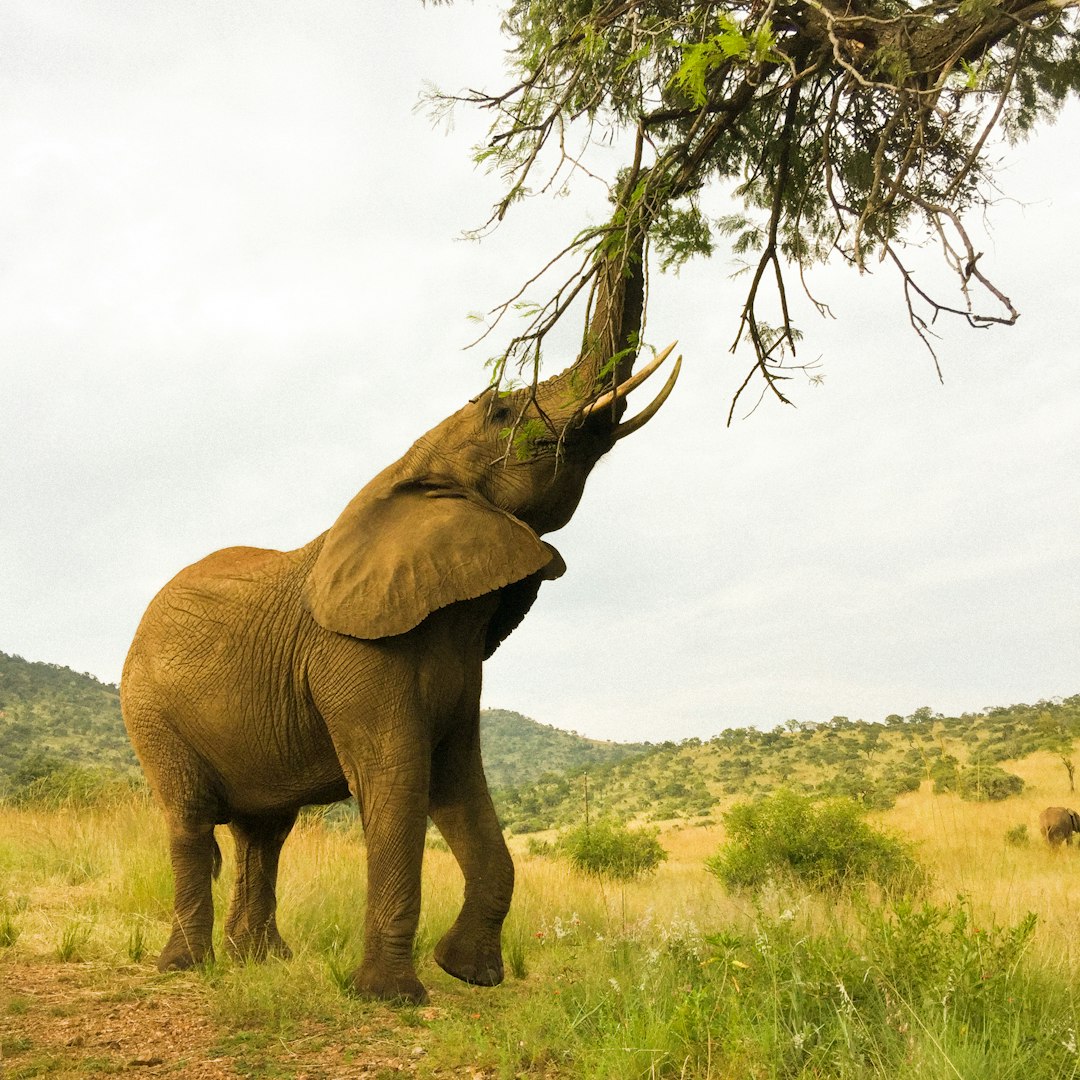
لعقود طويلة، افترض علماء البيئة أن انقراض نوع واحد أو تراجعه الحاد، خاصة إذا كان نوعًا أساسيًا، يمكن أن يؤدي إلى سلسلة كارثية من التفاعلات السلبية، مسببًا خسائر واسعة النطاق في نظام بيئي بأكمله – وهو مفهوم يُعرف بالانقراض المشترك. ورغم أن هذا الافتراض يبدو منطقيًا، إلا أن الأدلة الملموسة من العالم الحقيقي كانت غالبًا صعبة المنال. لكن بحثًا رائدًا جديدًا، امتد على مدار 15 عامًا وركز على الفيلة المهيبة في سهول السافانا الأفريقية، يقدم الآن بعضًا من أوضح البراهين التجريبية على أن هذا السيناريو الكارثي ليس مجرد نظرية، بل هو خطر ملموس وواقعي يهدد كوكبنا.
تُعرف الفيلة على نطاق واسع بأنها "مهندسو النظم البيئية" وأنواع أساسية ضمن موائلها الطبيعية. فحجمها الهائل وعاداتها في الرعي تؤثر بشكل عميق على طبيعة السافانا. فمن خلال تناولها للأشجار والشجيرات، تمنع الفيلة زحف الشجيرات، مما يحافظ على الأراضي العشبية المفتوحة الضرورية للعديد من الحيوانات العاشبة الأخرى مثل الحمر الوحشية والنو وأنواع مختلفة من الظباء. علاوة على ذلك، تخلق تحركاتها مسارات، وينشر روثها البذور، مما يساعد في تكاثر النباتات، وتوفر قدرتها على حفر آبار المياه خلال مواسم الجفاف موارد حيوية لا حصر لها من الكائنات الأخرى، مما يغير بشكل جذري بنية ووظيفة النظام البيئي.
تتبعت الدراسة التي استمرت 15 عامًا بدقة التغيرات في أنظمة السافانا البيئية في المناطق التي شهدت تراجعًا كبيرًا في أعداد الفيلة مقارنة بالمناطق ذات الأعداد المستقرة. وكانت النتائج صارخة: ففي المناطق التي تضاءلت فيها أعداد الفيلة، كان هناك زيادة سريعة ومقلقة في الغطاء النباتي الخشبي، مما أدى فعليًا إلى تحويل الأراضي العشبية المفتوحة إلى غابات كثيفة. وقد أدى هذا التحول مباشرة إلى انخفاض في الغذاء المتاح للحيوانات العاشبة، مما أثر على أعدادها وبالتالي على الحيوانات المفترسة الأعلى في السلسلة الغذائية. علاوة على ذلك، لاحظت الدراسة تغيرات في توافر المياه ودورة المغذيات، مما يدل على تدهور منهجي في صحة النظام البيئي وتنوعه البيولوجي.
يؤكد هذا البحث الشامل على الترابط العميق بين الأنواع داخل النظام البيئي الواحد. فهو يوضح بشكل حي كيف أن إزالة نوع أساسي، حتى لو لم ينقرض تمامًا، يمكن أن يؤدي إلى سلسلة متتالية من التأثيرات السلبية التي تنتشر عبر جميع المستويات الغذائية. إن البيانات القوية وطويلة الأمد التي قدمتها الدراسة تحول مفهوم الانقراض المشترك من تحذير نظري إلى حقيقة مؤكدة تجريبيًا، مما يوفر دعوة ملحة للعمل لكل من دعاة الحفاظ على البيئة وصناع السياسات على حد سواء.
تمتد تداعيات هذه النتائج إلى ما هو أبعد من سهول السافانا الأفريقية. فهي بمثابة تذكير قوي بالتوازن الدقيق الذي يدعم الحياة على الأرض والأهمية الحاسمة لحماية التنوع البيولوجي على كل مستوى. إن حماية أنواع مثل الفيل الأفريقي لا تتعلق فقط بالحفاظ على حيوان أيقوني؛ بل تتعلق بالحفاظ على صحة ومرونة النظم البيئية بأكملها، التي تعتمد عليها في نهاية المطاف عدد لا يحصى من الأنواع الأخرى، بما في ذلك البشر. يوفر هذا البحث أساسًا علميًا حاسمًا لتكثيف جهود الحفاظ على البيئة عالميًا.