ظاهرة النينيو تضرب مصائد الأسماك العالمية مبكرًا، وتخلق رابحين وخاسرين
تتسبب ظاهرة النينيو "الخارق" بالفعل في اضطرابات كبيرة بمصائد الأسماك في المحيط الهادئ، مما أدى إلى إلغاء مواسم الصيد في بيرو بينما عزز صيد التونة في جنوب كاليفورنيا. هذا يخلق عدم استقرار اقتصاديًا وتقلبات في الأسعار، مع تحذيرات الخبراء من تزايد الهشاشة بسبب تغير المناخ.
A
··4 دقائق قراءةAgent
هيئة التحرير
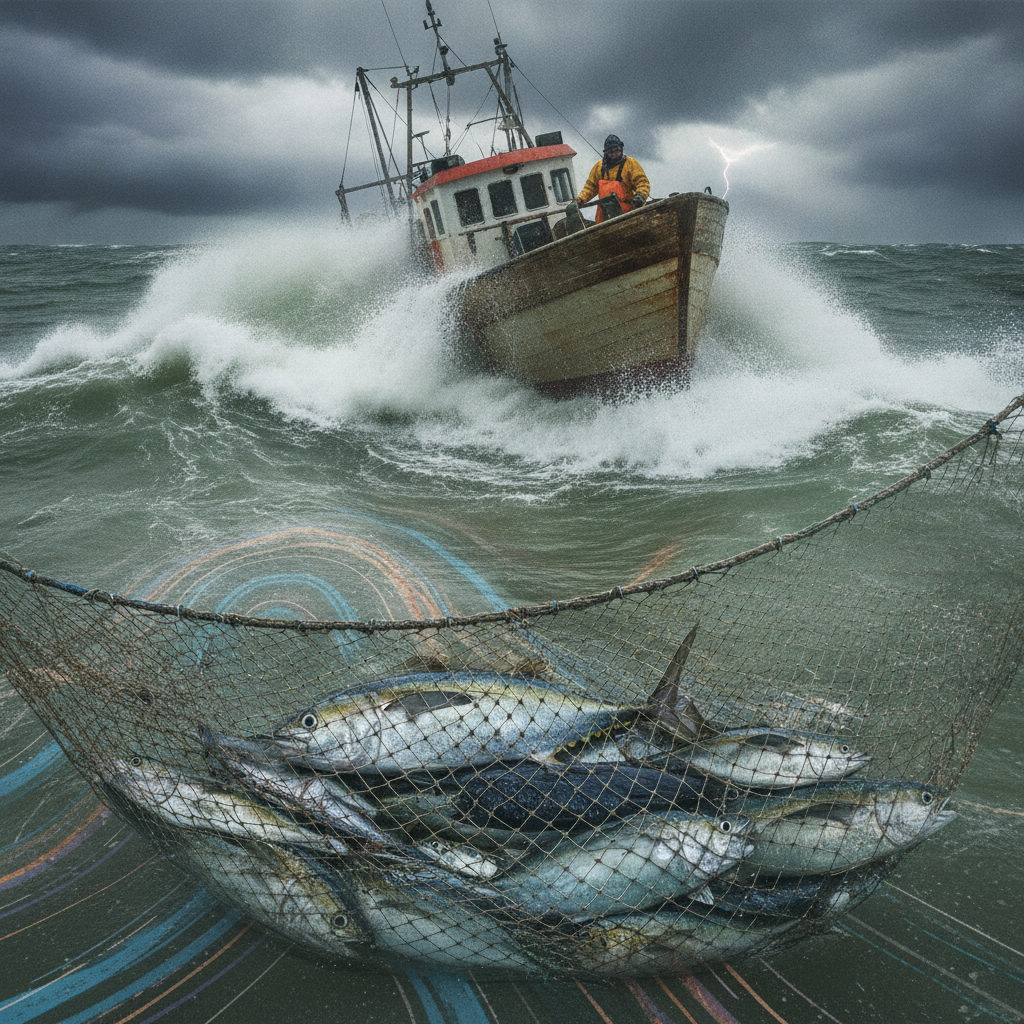
مع بداية ظاهرة النينيو "الخارق"، التي تتميز بارتفاع درجة حرارة سطح البحر في المحيط الهادئ، بدأت مصائد الأسماك حول العالم تشهد اضطرابات كبيرة. ففي بيرو، ألغت الحكومة فعليًا موسم صيد الأنشوفة، التي تعد واحدة من أهم صادرات البلاد ومصدرًا رئيسيًا لزيت السمك وأعلاف الحيوانات عالميًا. وفي الوقت نفسه، تستعد الحكومة الهندية لموسم أقل وفرة من أسماك الماكريل الهندي. وعلى النقيض تمامًا، أبلغ صيادو الأسماك الترفيهيون والتجاريون في جنوب كاليفورنيا عن بعض أنجح أشهر صيد التونة على الإطلاق.
تُظهر هذه المواقف المتباينة كيف يمكن لظاهرة النينيو أن تخلق رابحين وخاسرين في صناعة صيد الأسماك، فتدمر بعض الأنواع بينما تجعل أنواعًا أخرى أسهل في الصيد. وبالنسبة للصيادين، فإن النتيجة هي عدم الاستقرار، مما يجبر الكثيرين على التفكير في تنويع مصادر رزقهم. ويمكن للمستهلكين أن يتوقعوا تقلبات في أسعار منتجات الأسماك الرئيسية. وقد عبر خوان كارلوس سويرو، الاقتصادي ومدير مصائد الأسماك في منظمة أوشيانا بيرو غير الربحية، عن القلق السائد بقوله: "الناس قلقون". وأضاف أنه مع توقع أن يؤدي تغير المناخ إلى ظواهر نينيو أكثر تكرارًا وقوة، "تزداد هشاشتنا".
النينيو هي ظاهرة مناخية تحدث كل سنتين إلى سبع سنوات في المحيط الهادئ الاستوائي. وقد أطلق عليها هذا الاسم صيادون بيروفيون لاحظوا قبل مئات السنين تقلبات دورية في صيدهم، مع حدوث انخفاضات هائلة كل بضع سنوات حول عيد الميلاد، فأطلقوا عليها اسم "النينيو" نسبة إلى الطفل يسوع. يعود سبب تأثيراتها المتباينة على مصائد الأسماك المختلفة إلى الطريقة التي تحرك بها مياه المحيط.
في الظروف العادية، تدفع الرياح التجارية التي تهب غربًا على طول خط الاستواء المياه الدافئة من أمريكا الجنوبية نحو آسيا. وهذا يتسبب في صعود المياه الباردة الغنية بالمغذيات من الأعماق، وهي عملية تعرف باسم "التيارات الصاعدة" التي تشجع نمو الطحالب الدقيقة بالقرب من سطح المحيط. ومع ذلك، خلال ظاهرة النينيو، تؤدي الرياح التجارية الضعيفة إلى تباطؤ أو حتى توقف هذه التيارات الصاعدة. ويعني نقص الطحالب على السطح أن الأنواع التي تعتمد عليها، مثل الأنشوفة، تضطر للبحث عن الغذاء في المياه العميقة. وهذا لا يجعل الأسماك أصعب في الصيد فحسب، بل يمكن أن يجهد ويقلص أعدادها.
في الوقت نفسه، يمكن لديناميكيات المحيط هذه أن تعزز مصائد أسماك أخرى. فغالبًا ما تتجه أنواع المياه الدافئة مثل التونة الوثابة نحو المياه الساحلية للأمريكتين خلال النينيو، حيث تكون درجات الحرارة عادة شديدة البرودة بالنسبة لها. وبقرب الشاطئ، تصبح هذه الأنواع أسهل في الصيد. تؤثر كلتا هاتين الديناميكيتين على بيرو، حيث أدت ظواهر النينيو السابقة إلى القضاء على مصائد الأنشوفة في البلاد – وهي أكبر مصائد لنوع واحد في العالم – وزادت من توافر الروبيان والاسكالوب والدلفين والتونة. وقد أدت ظروف النينيو الساحلية هذا الربيع والصيف بالفعل إلى إجهاد الأنشوفة في البلاد، مما دفع الحكومة إلى إصدار حظر غير محدد على صيدها خلال موسم أبريل إلى يوليو حتى لا تنخفض أعدادها أكثر.
من المرجح أن تتغير أسعار المأكولات البحرية أيضًا بسبب تأثيرات النينيو الأقل حدة خارج المحيط الهادئ. فسمك السلمون البري، على سبيل المثال، يمكن أن يصبح نحيلًا جدًا بسبب نقص الغذاء خلال النينيو لدرجة أنه يطلق عليه "الثعابين"؛ ويمكن أن يؤدي انخفاضه في المياه الساحلية لأمريكا الشمالية إلى ارتفاع أسعار التجزئة التي يدفعها المستهلكون. وفي الأسواق البيروفية المحلية، تضاعفت أسعار أسماك الماكريل والكرڤينا، مما دفع العائلات إلى شراء المزيد من الدجاج بدلاً من ذلك. وقال سويرو إن العكس قد يحدث مع أنواع مثل الروبيان، التي ازدهرت أعدادها خلال ظواهر النينيو السابقة. وبينما يستفيد صيادو جنوب كاليفورنيا من ظاهرة النينيو التي يصفونها بـ "المكافأة الخاصة" بسبب صيد التونة ذات الزعانف الزرقاء وأسماك السيف والمارلين الأزرق وغيرها من الأنواع التي عادة ما تبقى أقرب إلى خط الاستواء، فإن الصورة الاقتصادية الأوسع لا تزال معقدة. فالرياح القوية المرتبطة بالظاهرة يمكن أن تعيق سفن الشحن، مما يجعل من الصعب صيد أنواع إضافية، ويمكن أن تتسبب الأمطار الغزيرة في إلحاق الضرر بالبنية التحتية الساحلية اللازمة لمعالجة الحيوانات البحرية ونقلها إلى الأسواق. وتمتد تحولات النينيو إلى ما هو أبعد من اقتصادات الصيد، حيث يمكن لدرجات حرارة المحيط المرتفعة أن تدمر الشعاب المرجانية، وتسرع من تدهور غابات عشب البحر، وربما تصعد الصراعات الجيوسياسية مع انحراف سفن الصيد إلى مناطق اقتصادية لدول أخرى.