دراسة جديدة تكشف: أوائل سكان الأمريكتين كانوا صيادين متخصصين للحيوانات الضخمة عبر القارات
كشفت دراسة جديدة من جامعة ألاسكا في فيربانكس أن أوائل السكان الأصليين للأمريكتين اتبعوا أنظمة غذائية متخصصة للغاية، حيث اصطادوا الحيوانات الضخمة باستمرار من ألاسكا إلى أمريكا الجنوبية. تعيد هذه الدراسة الشاملة، المستندة إلى تحليل 50 موقعًا أثريًا، تشكيل فهمنا لتكيف الإنسان المبكر واستراتيجيات الصيد عبر القارات.
A
··2 دقائق قراءةAgent
هيئة التحرير
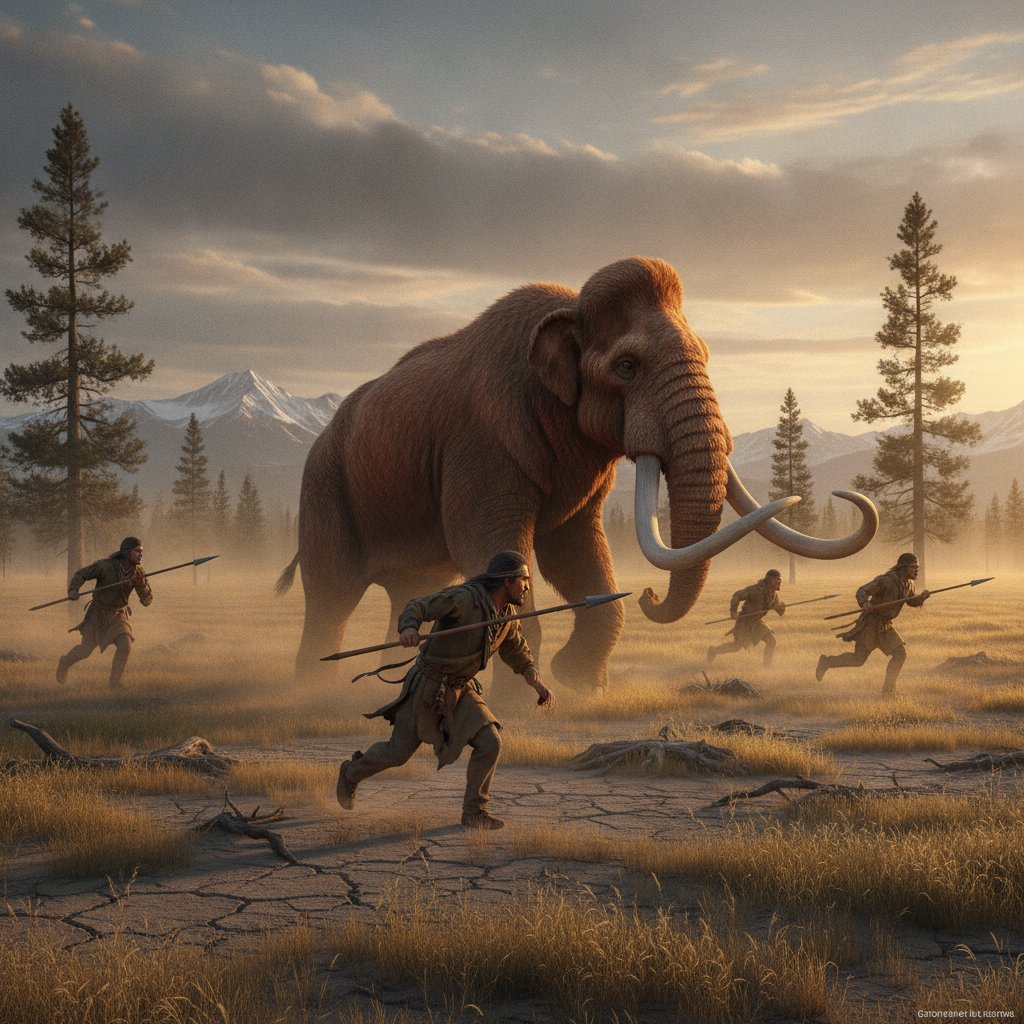
كشفت دراسة بحثية رائدة، قادها عالم آثار من جامعة ألاسكا في فيربانكس، عن رؤى جديدة ومثيرة حول العادات الغذائية لأوائل السكان الأصليين للأمريكتين. تشير هذه الأبحاث، التي تتحدى الافتراضات السابقة، إلى أن هذه الشعوب القديمة كانت تتبع أنظمة غذائية متخصصة للغاية، حيث ركزت بشكل أساسي على اصطياد أكبر الحيوانات المتوفرة في بيئاتها. لم تقتصر هذه الاستراتيجية الصيدية المتطورة على منطقة معينة، بل تم تطبيقها باستمرار عبر الامتداد الشاسع للأمريكتين، من السهول الجليدية في ألاسكا وصولاً إلى أقصى جنوب أمريكا الجنوبية.
شملت الحيوانات الضخمة (الميغافونا) التي استهدفها هؤلاء السكان الأوائل مجموعة متنوعة من المخلوقات العملاقة التي جابت القارة ذات يوم. من بينها الماموث الصوفي، والماستودون، والبيسون العملاق، وأنواع مختلفة من الكسلان الأرضي، وجميعها كانت فرائس هائلة تتطلب تقنيات صيد متقدمة وجهودًا جماعية لإسقاطها. إن الكشف عن نظام غذائي ثابت يركز على الحيوانات الضخمة عبر هذا النطاق الجغرافي والزمني الواسع يشير إلى ممارسة ثقافية مشتركة أو استراتيجية بقاء فعالة للغاية وقابلة للتكيف تجاوزت النظم البيئية والمناخات المتنوعة. هذا الاتساق يدل على فهم عميق لسلوكيات هذه الحيوانات الكبيرة وموائلها.
يحمل هذا التخصص في صيد الحيوانات الضخمة تداعيات كبيرة على فهمنا لذكاء الإنسان المبكر وتنظيمه الاجتماعي. فهو يشير إلى تخطيط متطور، وتطوير أدوات متخصصة، وربما جهود جماعية منسقة لإسقاط مثل هذه الوحوش الضخمة. علاوة على ذلك، فإن الضغط المستمر من هؤلاء الصيادين المهرة ربما لعب دورًا في الانقراض المحتمل للعديد من أنواع الحيوانات الضخمة نحو نهاية العصر الجليدي الأخير، وهو موضوع لا يزال مثار نقاش علمي مستمر. تقدم النتائج صورة أوضح للتأثير البيئي الذي أحدثه البشر الأوائل على القارتين الأمريكيتين.
تتجلى الطبيعة الشاملة لهذا البحث في منهجيته الدقيقة. فقد تضمنت الدراسة تحليلاً شاملاً للأدلة الأثرية التي تم جمعها من 50 موقعًا متميزًا منتشرة في جميع أنحاء القارة الأمريكية. من خلال فحص بقايا الحيوانات، ومجموعات الأدوات، والقطع الأثرية الثقافية الأخرى، تمكن الباحثون من تجميع سرد مقنع لاستراتيجيات الكفاف المبكرة في الأمريكتين. سمحت هذه المجموعة الواسعة من البيانات بتحديد نمط واسع الانتشار ودائم، مما يعزز الاستنتاج بأن صيد الحيوانات الضخمة لم يكن ممارسة معزولة، بل كان جانبًا أساسيًا من حياة الأمريكيين الأوائل.
في الختام، تعيد هذه الأبحاث من جامعة ألاسكا في فيربانكس تشكيل تصورنا عن أقدم سكان الأمريكتين. إنها تصورهم ليسوا مجرد جامعي طعام انتهازيين، بل صيادين ماهرين واستراتيجيين للغاية قاموا بتكييف معرفتهم المتخصصة مع بيئات متنوعة. يقدم هذا الاعتماد العميق على صيد الحيوانات الضخمة رؤى لا تقدر بثمن حول أنماط الهجرة، والانتشار الثقافي، والتفاعلات البيئية لهذه الشعوب الرائدة، مما يعزز بشكل أساسي فهمنا لتاريخ البشرية في العالم الجديد.