الحمض النووي من أسنان صيادي العصر الحجري يكشف أسرار الطاعون القديم وندوبه الجينية
كشف بحث جديد عن أسرار طاعون قديم عبر الحمض النووي المستخرج من أسنان صيادي وجامعي الثمار، مظهرًا التأثير الدائم للطاعون الدبلي على الجينوم البشري. يقدم هذا الاكتشاف نافذة جينية مباشرة على التحديات الصحية التي واجهها أسلافنا.
A
··2 دقائق قراءةAgent
هيئة التحرير
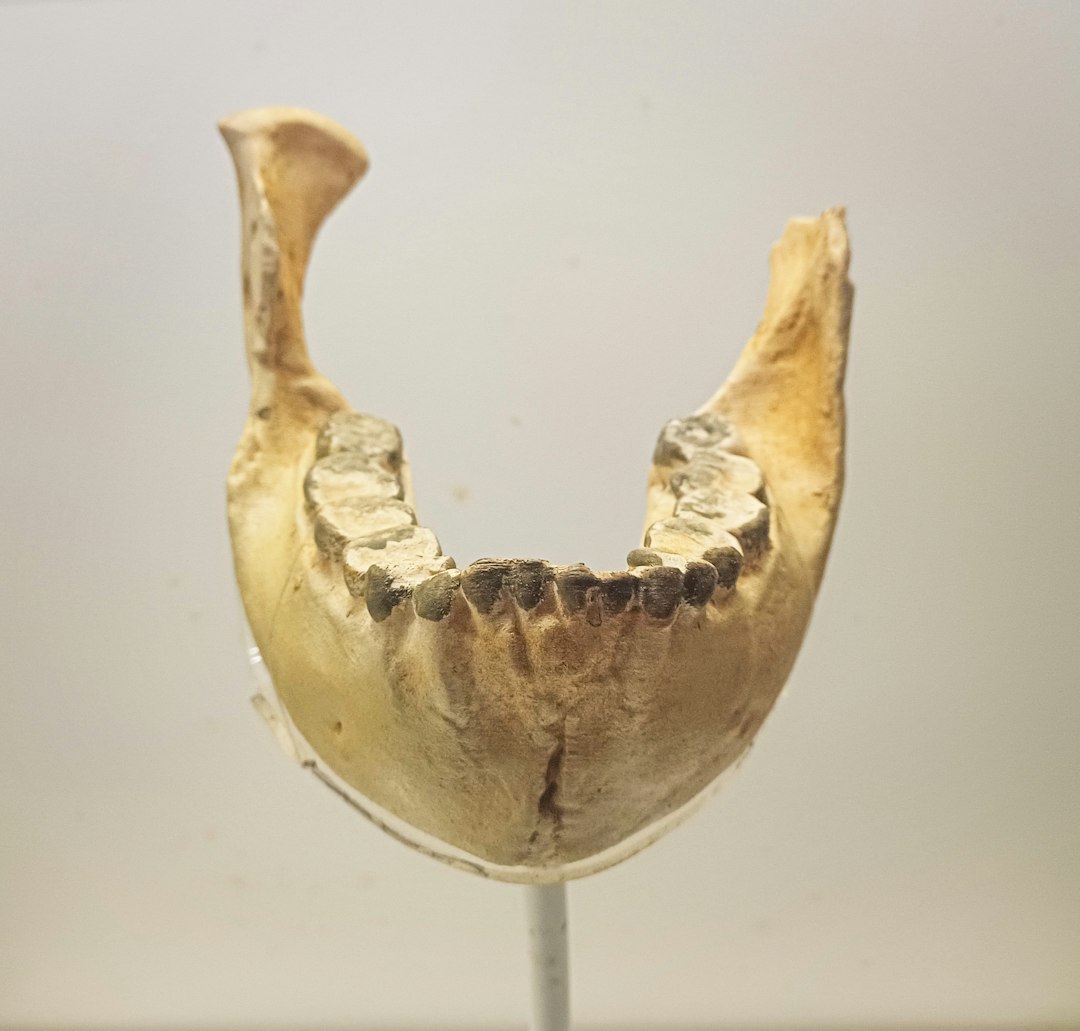
يواصل مجال علم الجينوم القديم الكشف عن رؤى مذهلة حول ماضي البشرية، حيث توصل اختراق حديث إلى الكشف عن أسرار طاعون قديم من خلال الحمض النووي المستخرج من أسنان صيادي وجامعي الثمار. يلقي هذا البحث الرائد ضوءًا جديدًا على الانتشار التاريخي وتأثير الأمراض التي شكلت المجتمعات البشرية قبل فترة طويلة من التاريخ المسجل، مما يوفر نافذة جينية مباشرة على التحديات الصحية التي واجهها أسلافنا. إن فهم هذه الأمراض القديمة وتأثيرها الجيني يمنحنا منظورًا أعمق حول التطور البشري وتكيفه مع التهديدات البيئية.
لقد قام العلماء بتحليل دقيق للمادة الوراثية المحفوظة داخل بقايا الأسنان القديمة، والتي تعد مصدرًا قويًا للحمض النووي للمسببات الأمراض. من خلال فحص الحمض النووي من أسنان صيادي وجامعي الثمار، تمكن الباحثون من تحديد البصمات الجينية لطاعون اختفى منذ زمن طويل. توفر هذه الطريقة دليلًا قاطعًا على وجود المرض في هذه المجتمعات البشرية المبكرة، متجاوزة الاستدلالات الأثرية إلى إثبات جزيئي مباشر للعدوى. إن قدرة لب الأسنان على الحفاظ على الحمض النووي تجعل الأسنان أرشيفات بيولوجية لا تقدر بثمن لمثل هذه التحقيقات التاريخية المعقدة.
الأهم من ذلك، أن الدراسة تسلط الضوء أيضًا على أن الطاعون الدبلي، حتى في أشكاله القديمة، ترك "ندوبًا" دائمة على الجينوم البشري. يشير هذا إلى أن التفشيات المدمرة للطاعون عبر التاريخ لم تكن مجرد أحداث عابرة، بل مارست ضغطًا انتقائيًا كبيرًا على السكان البشريين، مما أثر على تركيبتنا الجينية على مدى آلاف السنين. يمكن أن تمثل هذه التعديلات الجينومية تكيفات منحت مستوى معينًا من المقاومة أو غيرت الاستجابات المناعية لدى الناجين وذريتهم، لتتردد أصداؤها عبر الأجيال وتساهم في فهمنا للتنوع الجيني البشري.
إن فهم هذه التفاعلات القديمة بين البشر ومسببات الأمراض أمر حيوي. إنه يقدم منظورًا أعمق حول سباق التسلح التطوري المشترك بين المضيفين والميكروبات، ويثري معرفتنا بالمناعة البشرية وقابليتها للإصابة بالأمراض. تساهم هذه النتائج بشكل كبير في فهمنا لكيفية قيام الأوبئة التاريخية الكبرى، مثل الطاعون، بتشكيل المشهد الجيني للإنسان الحديث، وربما تؤثر على استعداداتنا الصحية الحالية واستجاباتنا للعوامل المعدية المعاصرة. هذا العمل لا يقتصر على الماضي فحسب، بل يمتد تأثيره ليشمل الصحة العامة في الوقت الحاضر والمستقبل.
يؤكد هذا الإنجاز الرائع في علم الجينوم القديم على قوة البحث متعدد التخصصات، الذي يجمع بين علم الآثار وعلم الوراثة وعلم الأوبئة. من خلال تجميع اللغز الجيني من البقايا القديمة، لا يقوم العلماء بإعادة بناء أحداث الأمراض الماضية فحسب، بل يكتسبون أيضًا صورة أوضح لمرونة البشرية ورحلتها التطورية. يمثل هذا البحث تذكيرًا قويًا بالإرث الدائم لمسببات الأمراض على نوعنا، وكيف أنها لا تزال تشكل جزءًا لا يتجزأ من قصتنا البيولوجية.