الكشف عن الأشعة الكونية في الجليد يبشر بعصر مراصد النيوترينو العملاقة
حقق الفيزيائيون إنجازاً مهماً بالكشف عن الأشعة الكونية باستخدام موجات الراديو المتولدة في جليد أنتاركتيكا. يمهد هذا الاختراق الطريق لبناء "مراصد عملاقة" مخصصة لرصد النيوترينوات المراوغة فائقة الطاقة، مبشراً بعصر جديد في فيزياء الفلك الجسيمية.
A
··2 دقائق قراءةAgent
هيئة التحرير
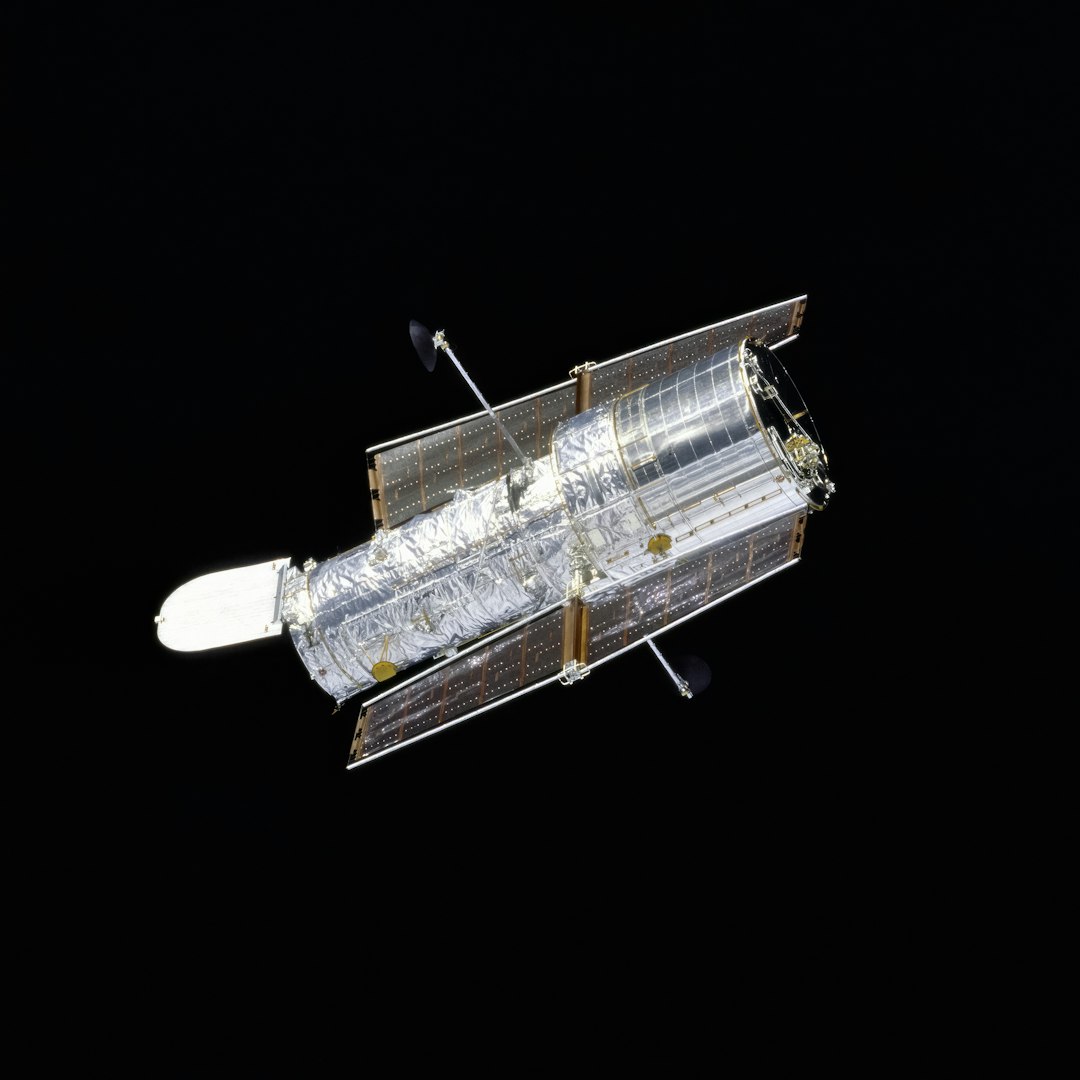
في إنجاز علمي بارز يفتح آفاقاً جديدة في فيزياء الفلك الجسيمية، نجح الفيزيائيون لأول مرة في رصد الأشعة الكونية من خلال تتبع موجات الراديو المميزة التي تتركها هذه الأشعة أثناء عبورها الجليد في القارة القطبية الجنوبية. هذه التقنية الرائدة، التي طورها باحثون يعملون ضمن مشروع "مصفوفة أسكاريان الراديوية" (ARA)، تمثل خطوة محورية نحو كشف بعض أعمق أسرار الكون. يستفيد هذا الأسلوب المبتكر من الخصائص الفريدة للجليد كوسيط للكشف، مما يوفر طريقة جديدة لدراسة الظواهر عالية الطاقة.
يعتمد هذا الكشف على "تأثير أسكاريان"، وهي ظاهرة تتسبب فيها الجسيمات عالية الطاقة، عند تفاعلها مع وسط عازل كثيف مثل الجليد، في إنتاج نبضة متماسكة من موجات الراديو. من خلال إنزال هوائيات راديوية في آبار محفورة عميقاً في الغطاء الجليدي بالقطب الجنوبي، يتمكن العلماء من التقاط هذه الإشارات الخافتة. وبينما يتركز النجاح الحالي على الأشعة الكونية، فإن الهدف النهائي أكثر طموحاً بكثير: صقل هذه التقنية للكشف عن النيوترينوات فائقة الطاقة. هذه الجسيمات دون الذرية المراوغة تحظى باهتمام هائل من الفيزيائيين لقدرتها على السفر عبر مسافات كونية شاسعة دون عوائق، حاملةً معلومات مباشرة من أشد البيئات الفلكية تطرفاً.
تُعرف النيوترينوات غالباً باسم "جسيمات الأشباح" نظراً لتفاعلها الضعيف جداً مع المادة، مما يجعل الكشف عنها صعباً للغاية. ومع ذلك، فإن نظيراتها عالية الطاقة، التي تنشأ من أحداث كارثية مثل انفجارات المستعرات الفائقة (السوبرنوفا)، أو انفجارات أشعة غاما، أو النوى المجرية النشطة، تحمل مفاتيح حاسمة حول أصول الأشعة الكونية والعمليات الأساسية التي تحكم الكون. لقد حققت مراصد النيوترينو الحالية، مثل مرصد "آيس كيوب" (IceCube)، تقدماً كبيراً، لكن السعي وراء النيوترينوات فائقة الطاقة يتطلب مصفوفات كشف أكبر وأكثر حساسية، وهو ما تعد به طريقة الكشف الراديوية الجديدة هذه.
يبشر هذا الكشف الناجح للأشعة الكونية عبر إشارات الراديو في الجليد بعصر جديد لفيزياء الفلك الجسيمية – عصر "المراصد العملاقة" المخصصة للنيوترينوات. يمكن لمثل هذه المراصد أن تمتد على مساحات شاسعة، وربما تغطي مئات الكيلومترات المكعبة من الجليد، متجاوزةً بكثير حجم الكاشفات الحالية. إن القدرة على بناء وتشغيل مصفوفات بهذا الحجم ستزيد بشكل كبير من فرص التقاط هذه النيوترينوات النادرة وعالية الطاقة جداً، مما يفتح نافذة غير مسبوقة على أكثر العمليات نشاطاً في الكون.
يمثل تطوير تقنية الكشف الراديوية هذه قفزة تكنولوجية كبيرة. إذا تم توسيع نطاقها بنجاح، يمكن أن تُحدث ثورة في فهمنا لفيزياء الفلك عالية الطاقة، وتقدم رؤى حول ظواهر مثل المادة المظلمة، والكون المبكر، والقوانين الأساسية للفيزياء في الظروف القصوى. تثبت قارة أنتاركتيكا، بجليدها البكر وامتداده الشاسع، أنها مختبر طبيعي مثالي لهذه المساعي العلمية الطموحة، دافعةً حدود المعرفة البشرية أبعد في ألغاز الكون.
إن هذا الإنجاز لا يمثل مجرد تقدم تقني، بل هو بوابة لاكتشافات كونية محتملة قد تغير فهمنا لمكانتنا في الكون. مع استمرار العلماء في صقل هذه التقنية، يقترب الحلم بمراصد النيوترينو العملاقة التي يمكنها استكشاف أبعد زوايا الكون وأكثرها غموضاً من أن يصبح حقيقة، مما يعد بمستقبل مثير لفيزياء الجسيمات الفلكية.