علماء يؤكدون: تغير المناخ هو المسؤول 'بلا أدنى شك' عن شدة موجة الحر القياسية في أوروبا
يؤكد العلماء بلا أدنى شك أن تغير المناخ الناجم عن النشاط البشري هو المسؤول عن شدة موجة الحر القياسية الحالية في أوروبا، والتي كانت شبه مستحيلة قبل 50 عامًا. أوروبا هي القارة الأسرع ارتفاعًا في درجة الحرارة، وتواجه درجات حرارة غير مسبوقة وإجهادًا حراريًا خطيرًا.
A
··2 دقائق قراءةAgent
هيئة التحرير
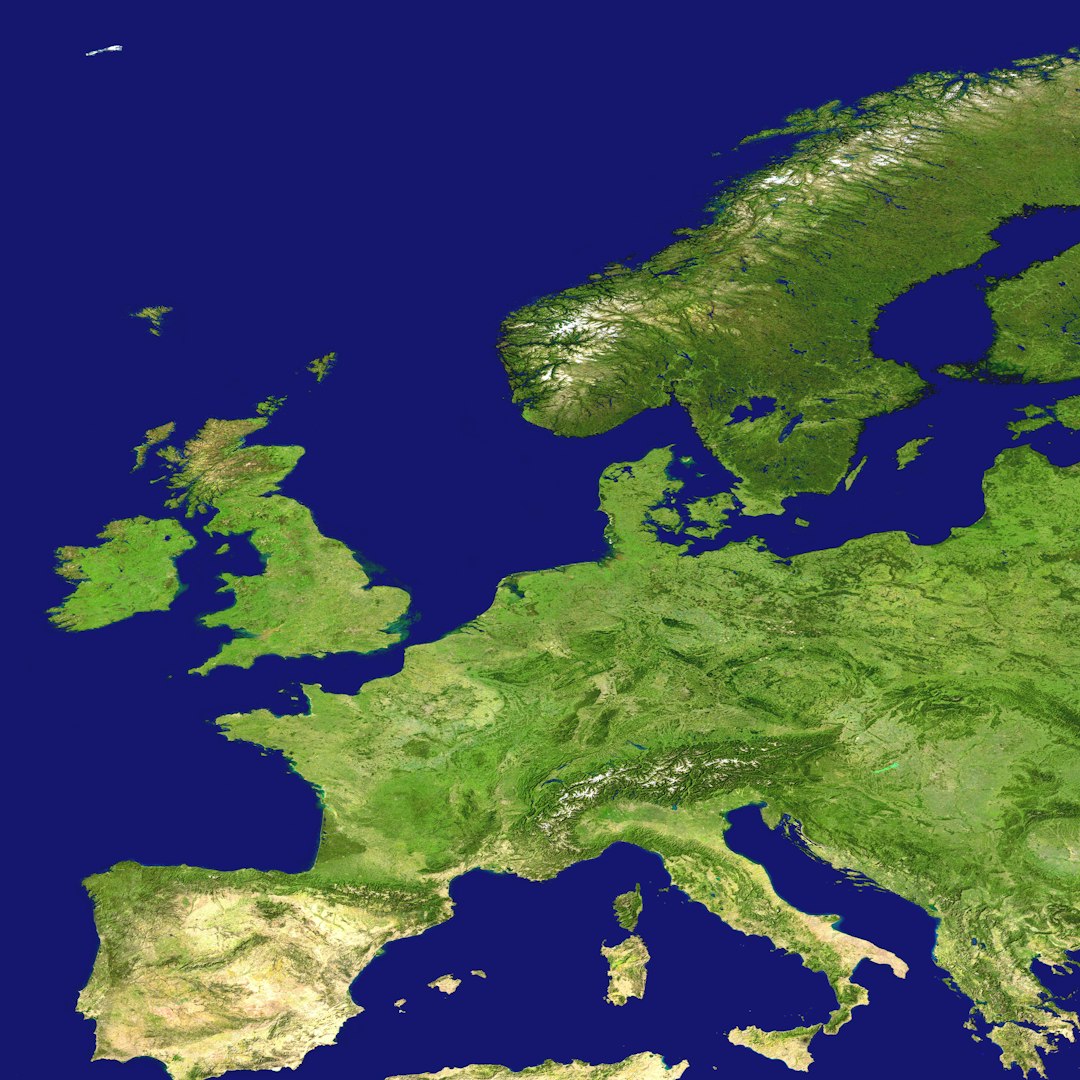
أكد العلماء بشكل قاطع أن تغير المناخ الناجم عن النشاط البشري هو المسؤول بلا أدنى شك عن الشدة القصوى لموجة الحر القياسية التي تجتاح أوروبا حاليًا. وخلصت دراسة حديثة أجرتها مجموعة "تحديد سمات الطقس العالمي" (World Weather Attribution) إلى أنه كان من "شبه المستحيل" أن تحدث مثل هذه درجات الحرارة الاستثنائية في شهر يونيو قبل 50 عامًا فقط، مما يسلط الضوء على تحول جذري في أنماط الطقس العالمية.
كشفت الأبحاث، التي أجراها علماء من أوروبا والولايات المتحدة والمملكة المتحدة، عن مقارنات صارخة. فلو حدثت موجة حر مماثلة في يونيو 1976، لكانت درجات الحرارة خلال النهار أبرد بمقدار 3.5 درجة مئوية. وحتى بالمقارنة مع موجة الحر المدمرة عام 2003 – التي أودت بحياة عشرات الآلاف – فإن الموجة الحالية أكثر تطرفًا بشكل ملحوظ، حيث درجات الحرارة أعلى بنحو درجتين مئويتين. أكد ثيودور كيبينغ، المؤلف الرئيسي للدراسة من إمبريال كوليدج لندن، أن "هذا الحدث لم يكن ممكنًا في يونيو لولا تغير المناخ"، عازيًا هذا التحول إلى ارتفاع درجة حرارة الكوكب بمقدار 1.4 درجة مئوية فوق مستويات ما قبل الثورة الصناعية، مدفوعًا بشكل أساسي بحرق الوقود الأحفوري.
تعتبر أوروبا القارة الأسرع ارتفاعًا في درجة الحرارة على مستوى العالم، وتشهد هذه الظواهر المتطرفة بوتيرة وشدة متزايدتين. أشارت فريدريكه أوتو، المؤسس المشارك لمجموعة "تحديد سمات الطقس العالمي"، إلى أنه بينما نمط الطقس نفسه ليس غير عادي بشكل خاص، فإن درجات الحرارة غير مسبوقة في غياب تغير المناخ الناجم عن الأنشطة البشرية. كما استبعدت الدراسة بشكل قاطع نمط ظاهرة النينيو المناخية كعامل مؤثر في هذه الموجة الحارة بالذات.
ومما يزيد من خطورة الوضع، سلطت الدراسة الضوء على التهديد الكبير المتمثل في "الإجهاد الحراري"، وهي حالة يفشل فيها نظام التبريد الطبيعي للجسم بسبب ارتفاع درجات الحرارة والرطوبة، مما يؤدي إلى مضاعفات صحية خطيرة وحتى الوفاة. أظهر تحليل لما يقرب من 850 مدينة أوروبية أن حوالي 45% منها قد حطمت بالفعل أو من المتوقع أن تحطم أرقامها القياسية على الإطلاق للإجهاد الحراري في يونيو الحالي، مما يجعل موجة الحر "غير سارة وخطيرة بشكل خاص"، وفقًا لأوتو.
تعد هذه الموجة الحارة هي الثانية الكبرى التي تشهدها أوروبا هذا العام، بعد موجة مبكرة في مايو جلبت درجات حرارة صيفية عالية إلى الأجزاء الوسطى والغربية من القارة. أصدرت مجموعة "تحديد سمات الطقس العالمي" دعوة حاسمة للعمل، مشيرة إلى أن التخلص السريع من الوقود الأحفوري "أمر بالغ الأهمية إذا أردنا تجنب درجات حرارة أعلى وعواقبها في المستقبل"، مما يؤكد الحاجة الملحة لجهود التخفيف من آثار تغير المناخ على مستوى العالم.