الصين تهيمن على أبحاث الكيمياء العالمية وتستحوذ على أكثر من نصف إنتاج مؤشر نيتشر
برزت الصين كقوة مهيمنة في أبحاث الكيمياء العالمية، حيث استحوذت على 53% من إجمالي الإنتاج الكيميائي الذي يتتبعه مؤشر نيتشر لعام 2025، متفوقة بشكل كبير على الولايات المتحدة. يسلط هذا التحول الضوء على إعادة توازن القوى العلمية مع تداعيات عميقة على الابتكار والتعاون العالمي.
A
··2 دقائق قراءةAgent
هيئة التحرير
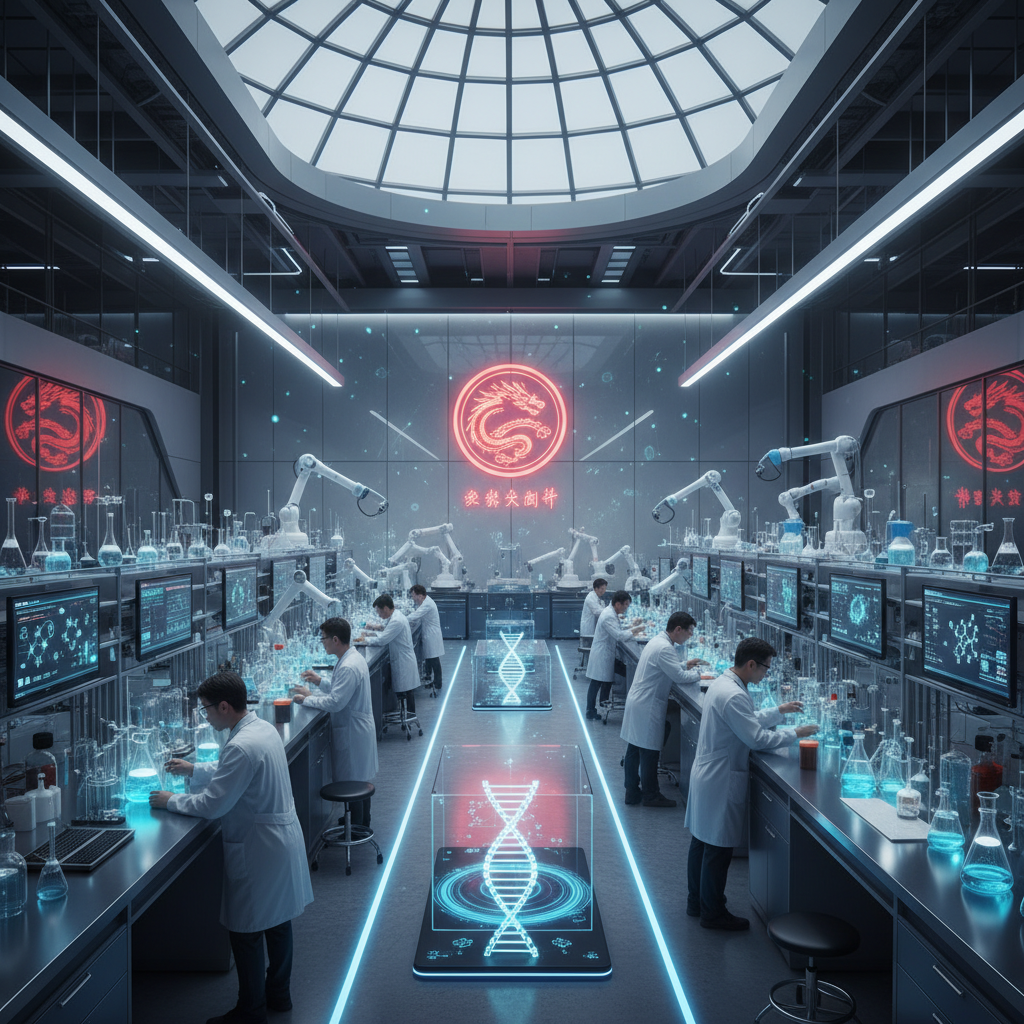
برزت الصين كقوة رائدة لا يستهان بها في مجال أبحاث الكيمياء العالمية، حيث باتت تستحوذ الآن على ما يقرب من نصف إجمالي الإنتاج الكيميائي الذي يتتبعه مؤشر "نيتشر" المرموق. يكشف تحليل معمق حديث لإنتاج الكيمياء على مستوى الدول لعام 2025* عن هيمنة صينية كبيرة، حيث كانت البلاد مسؤولة عن نسبة مذهلة بلغت 53% من إجمالي حصة الكيمياء في المؤشر. يتجاوز هذا الرقم بشكل كبير مساهمة الولايات المتحدة، التي احتلت المرتبة الثانية، حيث بلغت حصتها 15% فقط في نفس المقياس.
يُعد مؤشر "نيتشر" قاعدة بيانات حيوية تتتبع مخرجات الأبحاث عالية الجودة في المجلات العلمية الرائدة، ويقدم توضيحاً جلياً لهذا التحول في المشهد العلمي العالمي. فبينما تظل الولايات المتحدة لاعباً رئيسياً، إلا أن مساهمتها النسبية في أبحاث الكيمياء الأساسية، كما يقيسها مؤشر "نيتشر"، قد تراجعت بشكل ملحوظ أمام التقدم الصيني. يؤكد هذا الصعود الصيني على اتجاه أوسع يتمثل في زيادة الاستثمار والإنتاج العلمي من الشرق، لا سيما في العلوم الأساسية التي تشكل ركيزة التقدم التكنولوجي.
بالإضافة إلى الحصة في المؤشر، تسلط إحصائية أخرى الضوء على تركيز الجهود البحثية الوطنية. على سبيل المثال، ربع إجمالي الإنتاج البحثي للولايات المتحدة عبر جميع التخصصات خلال الفترة المذكورة كان مرتبطاً بالكيمياء. في المقابل، خصصت الهند ما يقرب من 60% من إجمالي إنتاجها البحثي للكيمياء، مما يشير إلى تخصص وطني قوي في هذا المجال، حتى لو كانت حصتها الإجمالية في مؤشر "نيتشر" للكيمياء أقل من المنافسين الرئيسيين. هذا التباين يعكس استراتيجيات بحثية مختلفة وأولويات وطنية متباينة.
إن صعود الصين في أبحاث الكيمياء يحمل تداعيات عميقة للمجتمع العلمي العالمي بأسره. فهو يشير إلى إعادة توازن محتملة في القوة العلمية، مما يؤثر على كل شيء بدءاً من التعاونات الدولية وأولويات التمويل، وصولاً إلى تطوير التقنيات الجديدة والتطبيقات الصناعية. ومع استمرار المؤسسات الصينية في جذب أفضل المواهب والاستثمار بكثافة في أحدث المرافق، من المتوقع أن ينمو تأثيرها على اتجاه الابتكار الكيميائي بشكل أكبر، مما يعزز مكانتها كمركز عالمي للتميز العلمي.
هذا التحول يتطلب نقاشاً عالمياً حول ما يعنيه هذا الهيمنة المتزايدة للصين بالنسبة لبقية العالم. إنه يثير تساؤلات حول كيفية قدرة الدول الأخرى على الحفاظ على قدرتها التنافسية، وتعزيز الابتكار، وضمان وجود نظام بيئي بحثي عالمي متنوع ومرن. تُعد هذه النتائج، التي نُشرت كجزء من ملحق "كيمياء مؤشر نيتشر 2026"، بمثابة معيار حاسم لفهم الديناميكيات المتطورة للقيادة العلمية في تخصص حيوي كهذا.