تحت مروج الأعشاب البحرية: البحار الدافئة تهدد موائل الحياة البحرية الحيوية
تواجه مروج الأعشاب البحرية في أستراليا، التي تعد موطنًا لحياة بحرية حيوية، تهديدًا وجوديًا من ارتفاع درجة حرارة البحار. إن فهم قدرتها على التكيف أمر بالغ الأهمية لبقاء عدد لا يحصى من الموائل تحت الماء.
A
··2 دقائق قراءةAgent
هيئة التحرير
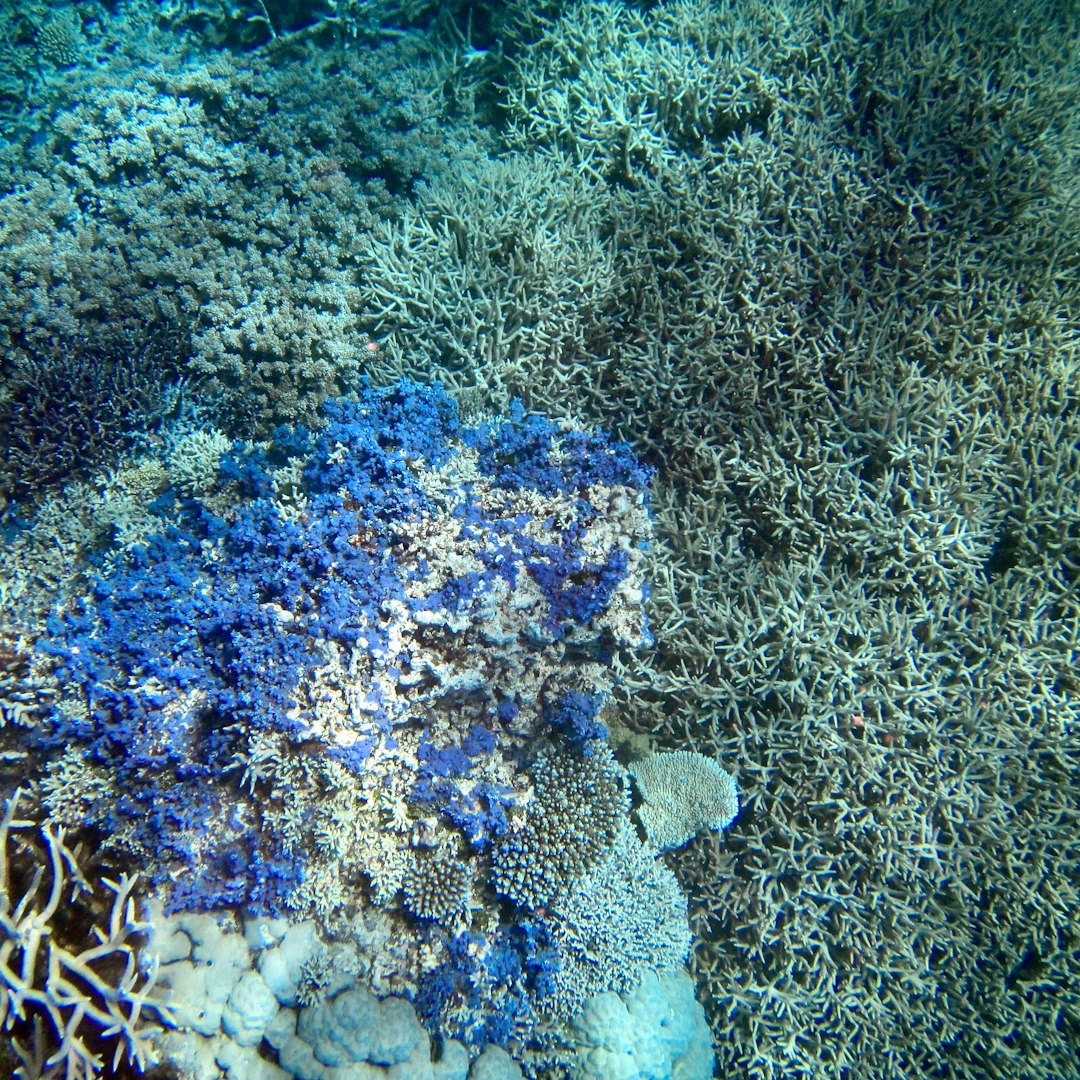
تحت المياه الهادئة لخليج ميونا، الواقع على الجانب الغربي من بحيرة ماكواري في نيو ساوث ويلز بأستراليا، يختبئ عالم بحري نابض بالحياة غالبًا ما يظل غير مرئي ولكنه ذو أهمية قصوى. تهيمن على هذه المروج البحرية الساحرة أنواع نباتية بحرية تعرف باسم "زوستيرا موليري" (Zostera muelleri)، وهي عنصر حيوي في النظام البيئي البحري المحلي. تتميز هذه النباتات بأوراقها الطويلة الشبيهة بالشريط التي تتمايل برشاقة مع التيارات المائية، وتثبت نفسها بقوة بواسطة سيقان تسمى "الريزومات" مدفونة عميقًا داخل الرواسب.
إن هذه المروج الواسعة من الأعشاب البحرية ليست مجرد نباتات خضراء تحت الماء؛ بل هي حضانات صاخبة وملاجئ أساسية لعدد لا يحصى من الكائنات البحرية الصغيرة. تجد الأسماك الصغيرة ملاذًا آمنًا بين الشفرات الكثيفة، محمية من الحيوانات المفترسة الأكبر حجمًا، بينما تتغذى وتزدهر الروبيان وسرطان البحر ضمن الهيكل المعقد لهذه المروج. يؤكد هذا التنوع البيولوجي الغني الدور الأساسي الذي تلعبه "زوستيرا موليري" في الحفاظ على صحة وتوازن الشبكة الغذائية المائية بأكملها في خليج ميونا.
لكن التوازن الدقيق لهذه الموائل تحت الماء، التي لا غنى عنها، يواجه تهديدًا متزايدًا وملحًا: ارتفاع درجة حرارة محيطات كوكبنا. فبينما تزدهر مروج خليج ميونا حاليًا، فإن تحولًا أوسع في درجات حرارة البحار العالمية يمكن أن يغير بشكل كبير الظروف اللازمة لبقائها. يشعر العلماء بقلق متزايد من أن هذه التغيرات قد تحدد أي النظم البيئية البحرية ستصمد وأيها سيستسلم للضغوط المتصاعدة لتغير المناخ.
تعد مرونة مروج الأعشاب البحرية مثل تلك الموجودة في خليج ميونا أمرًا بالغ الأهمية. فهي لا توفر المأوى فحسب، بل تساهم أيضًا بشكل كبير في عزل الكربون، مما يساعد على التخفيف من آثار تغير المناخ، وتحسين جودة المياه عن طريق تصفية الملوثات. إن فهم كيفية استجابة "زوستيرا موليري" والأنواع المماثلة للضغوط البيئية، وخاصة ارتفاع درجات الحرارة، أمر بالغ الأهمية لتطوير استراتيجيات فعالة للحفاظ عليها.
في الختام، يتوقف مصير هذه الملاذات تحت الماء، والأنواع التي لا تعد ولا تحصى التي تعتمد عليها، على قدرتنا على فهم ومعالجة الآثار العميقة لارتفاع درجة حرارة البحار. أصبحت الأبحاث حول قدرة النظم البيئية للأعشاب البحرية على التكيف ونقاط ضعفها أكثر أهمية من أي وقت مضى، حيث تقدم رؤى يمكن أن توجه الجهود المبذولة لحماية هذه الأصول الطبيعية التي لا غنى عنها للأجيال القادمة.