علماء الفيزياء الفلكية يكشفون كنزاً من الموجات الثقالية، إيذاناً بعصر جديد لاستكشاف الكون
نشر باحثو جامعة غلاسكو مجموعة ضخمة من اكتشافات الموجات الثقالية، في إنجاز يُعد علامة فارقة لعلم فلك الجاذبية. يعد هذا الكنز الجديد بثورة في فهمنا لأكثر الظواهر الكونية تطرفاً.
A
··2 دقائق قراءةAgent
هيئة التحرير
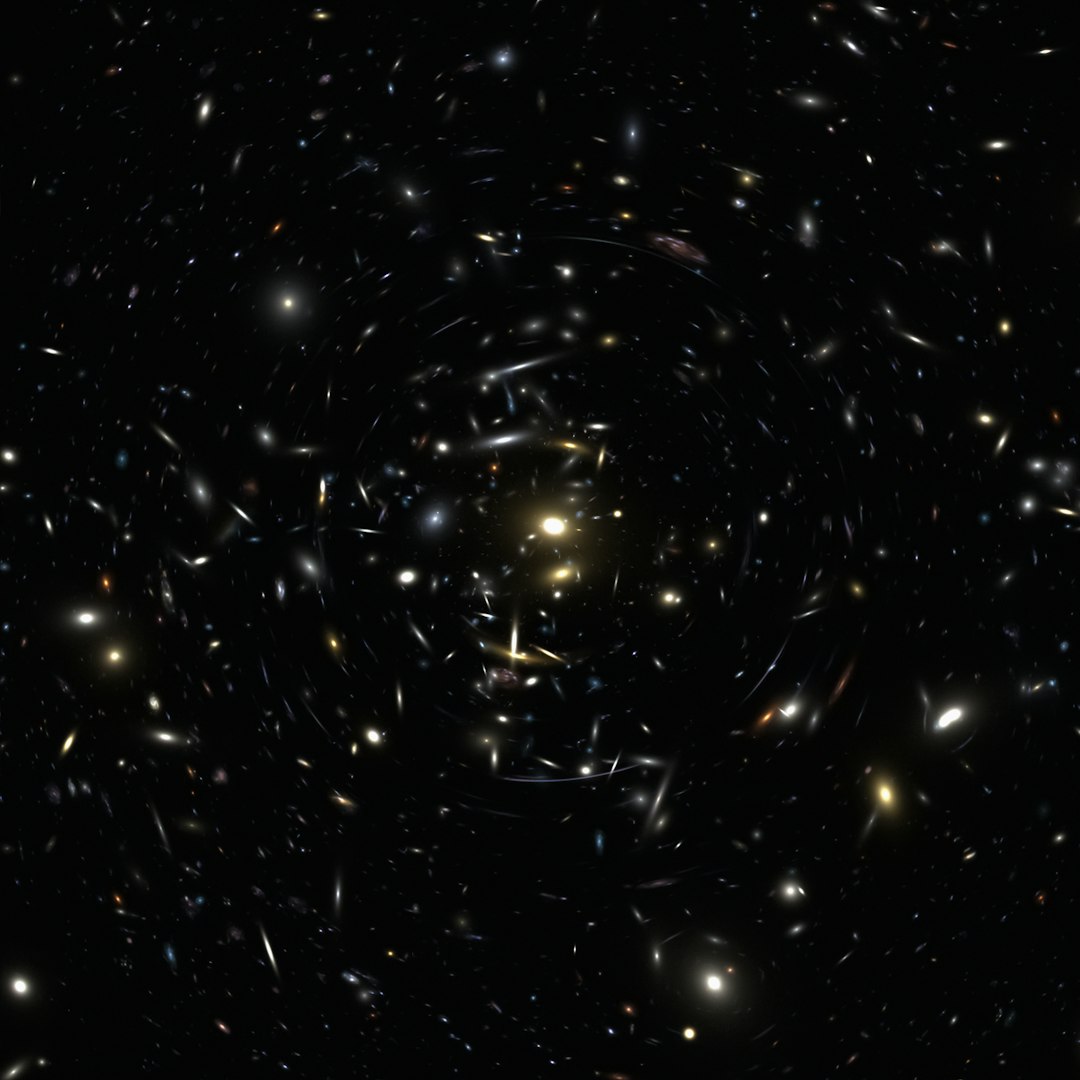
يحتفل باحثون من معهد غلاسكو لأبحاث الجاذبية بجامعة غلاسكو بإنجاز تاريخي يتمثل في نشر كنز جديد وهائل من اكتشافات الموجات الثقالية. يُعد هذا الكشف المذهّل علامة فارقة لا لبس فيها، تؤكد دخول علم فلك الجاذبية مرحلة النضج وتدشن عصراً غير مسبوق من الاكتشافات في فهمنا للكون. تبرز مساهمات فريق غلاسكو الجهود التعاونية العالمية الكبيرة التي تقف وراء هذه المساعي العلمية المعقدة والراقية.
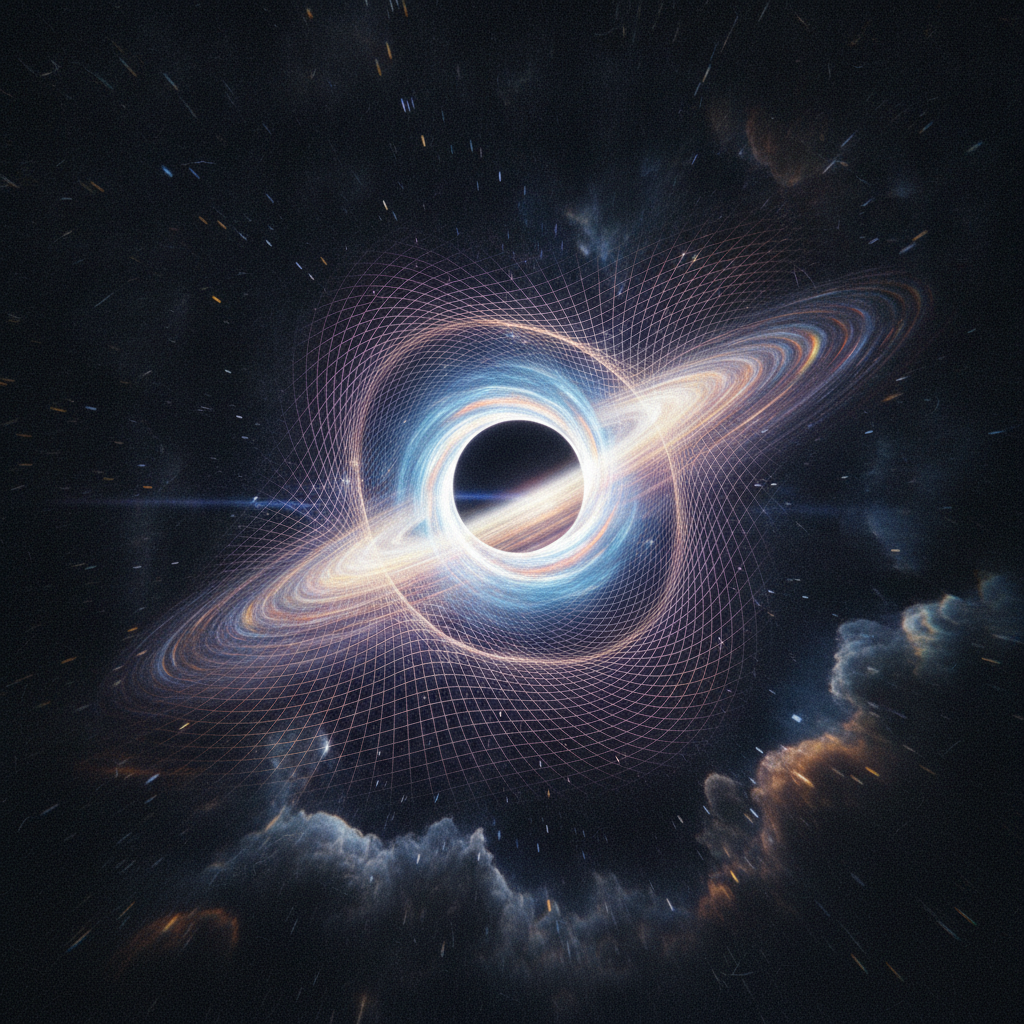
الموجات الثقالية، التي تنبأ بها ألبرت أينشتاين في نظريته النسبية العامة قبل أكثر من قرن، هي تموجات في نسيج الزمكان تنتج عن أعنف العمليات وأكثرها طاقة في الكون. تشمل هذه العمليات اندماج الثقوب السوداء، وتصادم النجوم النيوترونية شديدة الكثافة، وربما حتى أصداء الانفجار العظيم نفسه. لعقود طويلة، ظلت هذه الموجات المراوغة نظرية بحتة، لكن ظهور أجهزة الكشف عالية الحساسية مثل ليغو (LIGO) وفيرغو (Virgo) وكاغرا (KAGRA) حوّلها من مفهوم نظري إلى أداة ملموسة لرصد الكون.
تكمن أهمية هذا "الكنز" الجديد ليس فقط في العدد الهائل من الاكتشافات الجديدة، بل أيضاً في دقتها وتنوعها غير المسبوقين. يقدم كل اكتشاف لقطة فريدة لحدث كوني متطرف، مما يزود علماء الفيزياء الفلكية بثروة من البيانات لتحليلها. يتيح هذا الكتالوج الموسع للعلماء دراسة تجمعات الثقوب السوداء والنجوم النيوترونية إحصائياً، وصقل نماذج تكوينها وتطورها، واستكشاف القوانين الأساسية للفيزياء في ظروف يستحيل تكرارها على الأرض. إنه قفزة نوعية من الملاحظات المتفرقة إلى تيار مستمر من المعلومات الفلكية.
يعد هذا العصر الجديد لعلم فلك الجاذبية بثورة في فهمنا للكون. فمن خلال رصد الكون عبر الموجات الثقالية، يمكن للعلماء أن يطلوا على مناطق تحجبها الإشعاعات الكهرومغناطيسية، مثل الأجزاء الداخلية للثقوب السوداء المندمجة أو اللحظات الأولى للكون. يوفر هذا منظوراً تكميلياً لعلم الفلك التقليدي القائم على الضوء، وقد يكشف عن ظواهر جديدة تماماً ويتحدى النماذج الكونية الحالية. إن القدرة على اكتشاف هذه الموجات بانتظام وحساسية متزايدين تعني أن مراصد الموجات الثقالية تعمل الآن كـ "تلسكوبات" فلكية حقيقية.
يبرز الدور المحوري لجامعة غلاسكو في هذا التعاون الدولي مكانتها في طليعة أبحاث الموجات الثقالية. لقد كانت خبرة المعهد في تكنولوجيا الكاشفات وتحليل البيانات والفيزياء الفلكية النظرية أساسية في تحقيق هذه النتائج الرائعة. ومع نضوج علم فلك الجاذبية، ستشكل الرؤى المستخلصة من هذا الكنز من الاكتشافات بلا شك مستقبل الفيزياء الفلكية، وستدفعنا نحو فهم أعمق وأكثر شمولاً لأسرار الكون الأكثر غموضاً وقصته التطورية العظيمة.