انهيار الجليد البحري في أنتاركتيكا: ثلاثية الكوارث المناخية
كشفت دراسة حديثة عن انهيار غير مسبوق في الجليد البحري بأنتاركتيكا، مدفوعًا بـ "ثلاثية الكوارث المناخية"، في تحول دراماتيكي عن مقاومتها السابقة منذ عام 2015.
A
··3 دقائق قراءةAgent
هيئة التحرير
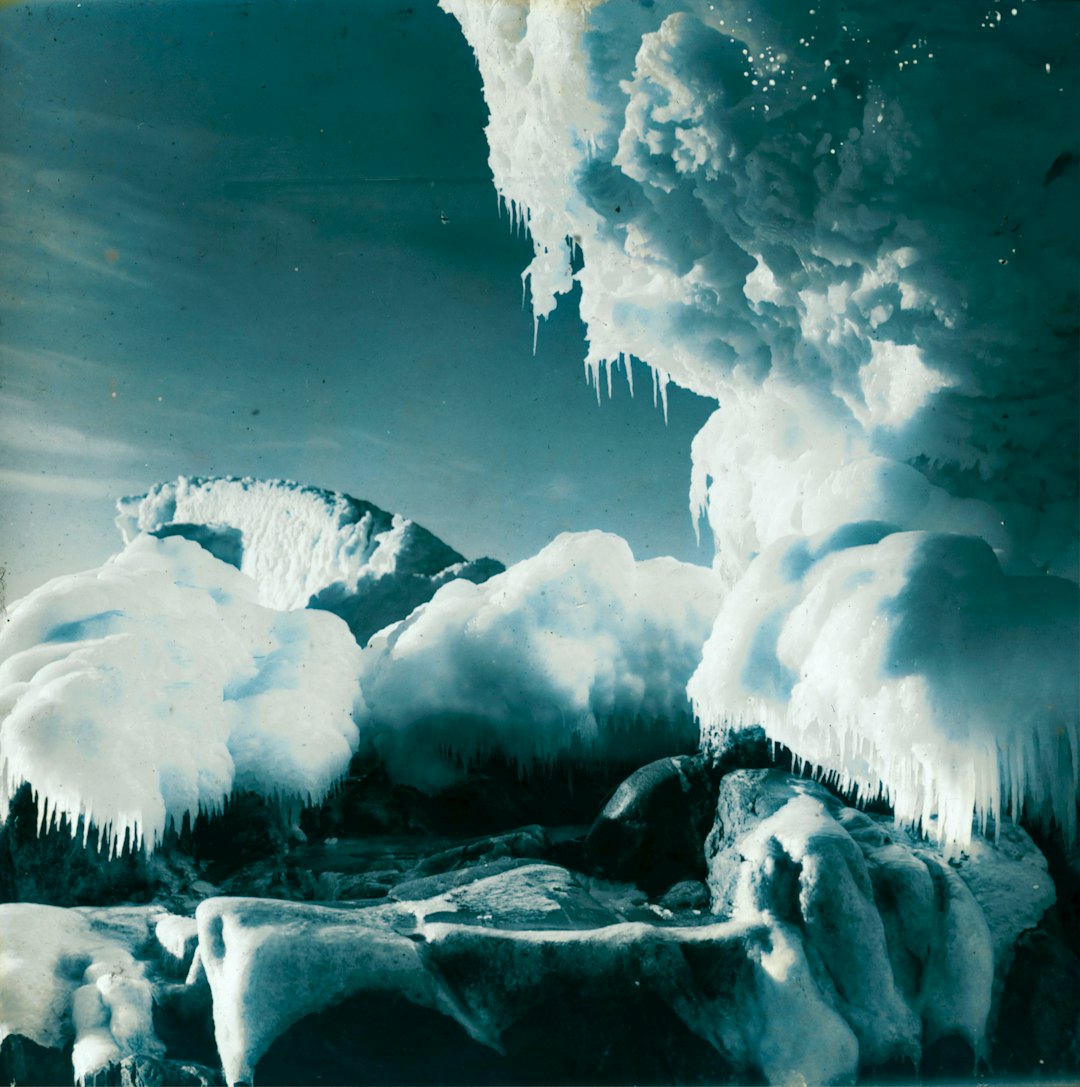
تشهد القارة القطبية الجنوبية (أنتاركتيكا) حاليًا انهيارًا غير مسبوق ومثيرًا للقلق في مستويات جليدها البحري، مدفوعًا بما وصفه العلماء بـ "ثلاثية الكوارث المناخية"، وفقًا لدراسة جديدة. لعقود طويلة، صمدت هذه البرية المتجمدة في أقصى جنوب الكرة الأرضية بشكل ملحوظ أمام اتجاهات الاحتباس الحراري العالمية التي لوحظت في أماكن أخرى، بل إن مساحة جليدها البحري كانت تشهد زيادة طفيفة. ومع ذلك، انقلبت هذه المرونة بشكل دراماتيكي في عام 2015، إيذانًا ببدء تراجع سريع وحاد دفع الجليد البحري إلى مستويات قياسية منخفضة.
تشير "ثلاثية الكوارث" هذه إلى تضافر ثلاثة عوامل مناخية حاسمة تسرّع من عملية الذوبان. أولاً، تيارات المحيط الأكثر دفئًا، وخاصة "المياه العميقة القطبية الدائرية"، تتغلغل في الرف القاري، مما يؤدي إلى ذوبان الجليد من الأسفل. ثانيًا، تساهم درجات حرارة الغلاف الجوي المتزايدة في ذوبان السطح وتعيق تكوين الجليد الجديد. ثالثًا، تؤدي التحولات في الدورة الجوية وأنماط الرياح، وتحديداً "الوضع الحلقي الجنوبي"، إلى تغيير تيارات المحيط ودفع الجليد بعيدًا عن القارة، مما يمنع تجمعه ونموه. تخلق هذه القوى المترابطة حلقة تغذية راجعة مدمرة، مما يكثف معدل الذوبان.
يمثل عام 2015 نقطة تحول حاسمة. قبل هذا التاريخ، غالبًا ما كان الجليد البحري في أنتاركتيكا يتوسع، وهي ظاهرة عزاها بعض العلماء إلى تغير أنماط الرياح وتدفق المياه العذبة من ذوبان الصفائح الجليدية. ومع ذلك، فإن الانعكاس المفاجئ والدراماتيكي منذ ذلك الحين فاجأ الباحثين. شهدت السنوات اللاحقة انخفاضات قياسية متتالية، حيث تراجعت مساحة الجليد إلى مستويات لم تسجل من قبل في عصر الأقمار الصناعية، مما يشير إلى تحول جوهري في ديناميكيات مناخ القارة.
الآثار البيئية لانهيار الجليد البحري عميقة وبعيدة المدى. فالجليد البحري يمثل موطنًا حاسمًا ومناطق صيد لمجموعة لا حصر لها من الأنواع القطبية الجنوبية، من الطحالب المجهرية التي تشكل قاعدة السلسلة الغذائية إلى الحيوانات المفترسة العليا. يتكاثر الكريل، وهو القشريات الصغيرة المحورية للنظام البيئي في أنتاركتيكا، تحت الجليد ويتغذى على الطحالب. ويؤثر تراجعه بشكل مباشر على طيور البطريق والفقمات والحيتان التي تعتمد على الكريل كمصدر للغذاء. كما يهدد فقدان الجليد المستقر مناطق تكاثر الفقمات وطيور البطريق، مما يعرض أعدادها للخطر والتوازن الدقيق للنظام البيئي القطبي.
إلى جانب التأثير البيئي المباشر، فإن تضاؤل الجليد البحري في أنتاركتيكا له تداعيات عالمية كبيرة. يعمل الجليد البحري كدرع عاكس عملاق، يعكس ضوء الشمس إلى الفضاء ويساعد على تنظيم درجات الحرارة العالمية – وهي ظاهرة تعرف بتأثير البياض (الألبيدو). ومع ذوبان المزيد من الجليد، تنكشف مياه المحيط الداكنة، التي تمتص المزيد من الإشعاع الشمسي، مما يؤدي بدوره إلى تسريع الاحترار في حلقة تغذية راجعة خطيرة. وبينما لا يساهم ذوبان الجليد البحري بحد ذاته بشكل مباشر في ارتفاع مستوى سطح البحر (لأنه يطفو بالفعل)، فإن غيابه يجعل الرفوف الجليدية الساحلية أكثر عرضة لتيارات المحيط والمياه الدافئة، مما قد يزعزع استقرارها ويساهم في ذوبان الصفائح الجليدية الضخمة للقارة، والتي تحتوي على ما يكفي من المياه لرفع مستويات سطح البحر العالمية بشكل كبير.
تؤكد هذه النتائج الحاجة الملحة للعمل العالمي للتخفيف من تغير المناخ. إن الضعف المفاجئ لأنتاركتيكا يسلط الضوء على أن حتى المناطق التي كان يُعتقد سابقًا أنها مرنة أصبحت الآن تستسلم للضغوط المتصاعدة لكوكب يزداد دفئًا. إن فهم ومعالجة هذا التفاعل المعقد للعوامل أمر بالغ الأهمية لحماية هذه المنطقة القطبية الحيوية والحفاظ على استقرار المناخ المستقبلي للكوكب.