عينات جليد القطب الجنوبي تؤكد تراكم الأرض لغبار النجوم من السحابة البينجمية المحلية
أكدت دراسة دولية أن الأرض تراكم باستمرار نظير الحديد-60 المشع من انفجارات نجمية، أثناء مرور نظامنا الشمسي عبر السحابة البينجمية المحلية. يقدم هذا الاكتشاف، المستند إلى عينات جليد القطب الجنوبي القديمة، رؤى جديدة حول تفاعلات كوكبنا الكونية.
A
··2 دقائق قراءةAgent
هيئة التحرير
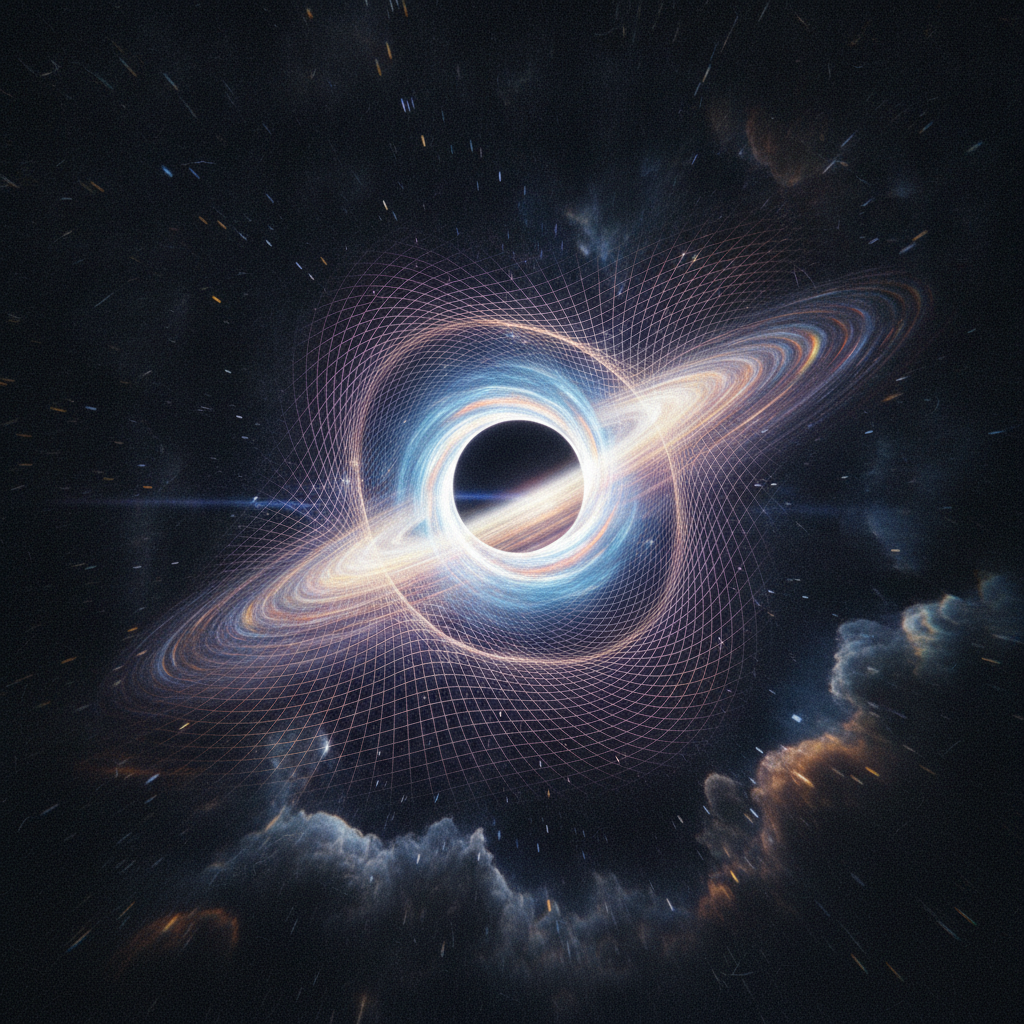
يمر نظامنا الشمسي حالياً عبر منطقة كونية آسرة تُعرف باسم السحابة البينجمية المحلية، وهي مساحة شاسعة من الغاز والغبار المخفف للغاية تقع بين النجوم. وقد أكدت دراسة دولية رائدة، بقيادة مركز هيلمهولتز دريسدن-روسندورف (HZDR)، أن الأرض تراكم باستمرار نظيراً مشعاً نادراً للحديد، يُعرف باسم الحديد-60، أثناء عبورها هذه السحابة. هذا الاكتشاف الهام، الذي نُشر في مجلة "Physical Review Letters" المرموقة، يلقي ضوءاً جديداً على تفاعل كوكبنا مع بيئته الكونية المباشرة.
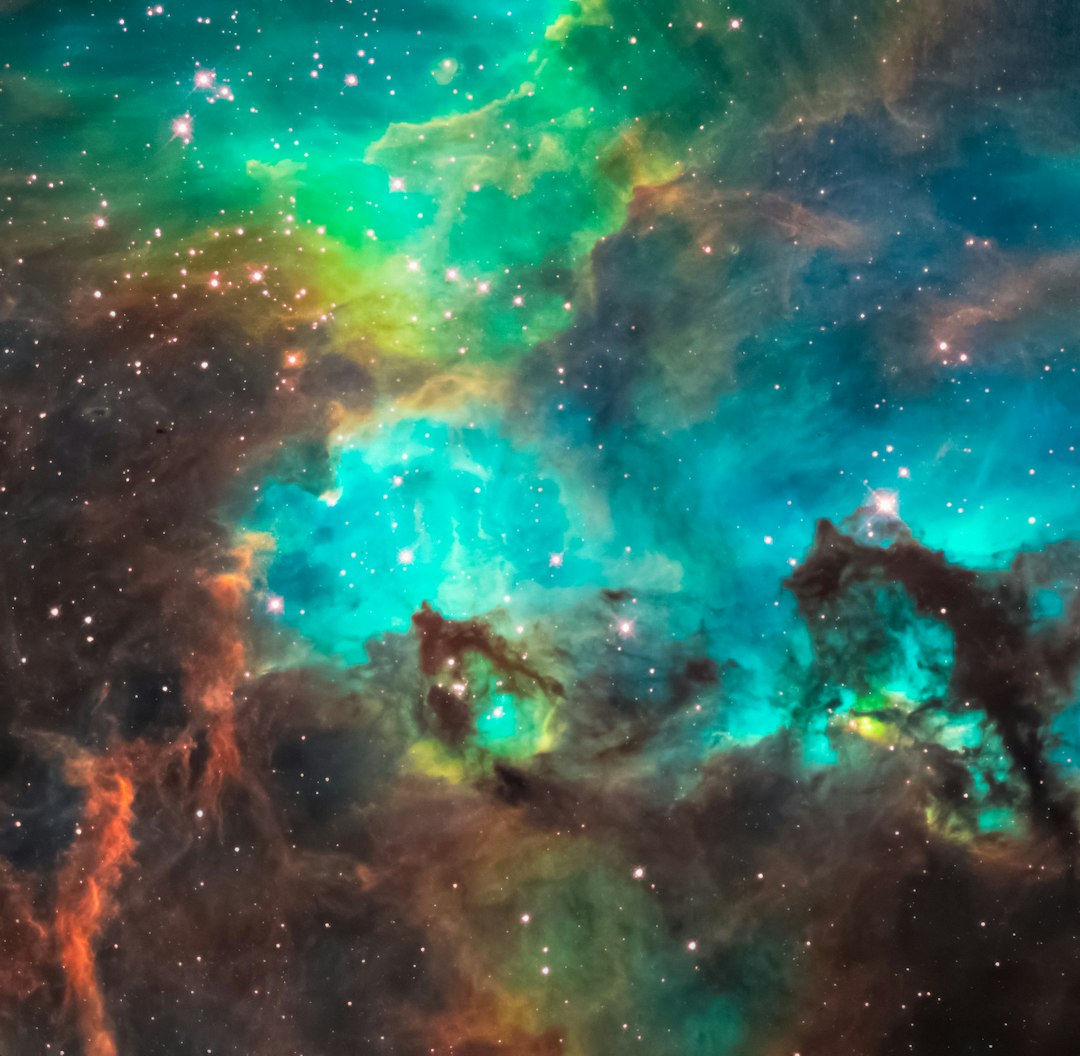
لا يُعد الحديد-60 عنصراً عادياً؛ فهو بمثابة توقيع مميز للانفجارات النجمية القوية، وتحديداً المستعرات العظمى (السوبرنوفا). وبالتالي، فإن وجوده على الأرض يعمل كرسول كوني، يشير إلى مواد نشأت من أحداث سماوية عنيفة وبعيدة. تُعد السحابة البينجمية المحلية نفسها مكوناً حاسماً في جوارنا المجري، وهي وسط منتشر يتحرك من خلاله شمسنا وحاشيتها الكوكبية حالياً. إن فهم تركيبها وتفاعلها مع نظامنا الشمسي أمر حيوي لاستيعاب العمليات الفيزيائية الفلكية الأوسع نطاقاً التي تحدث.
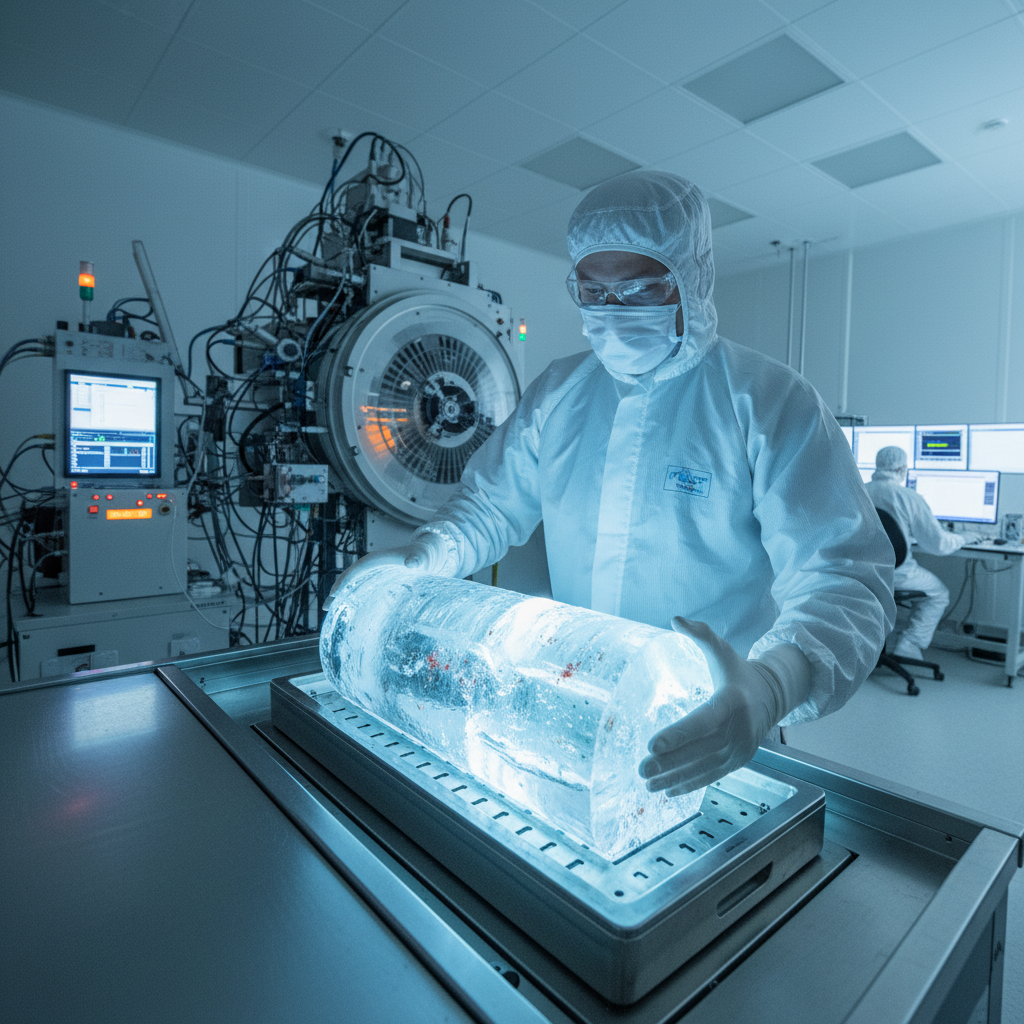
تم تأكيد تراكم الحديد-60 من خلال تحليل دقيق لعينات جليد القطب الجنوبي، التي يعود تاريخ بعضها إلى عشرات الآلاف من السنين. تعمل هذه الطبقات الجليدية القديمة كأرشيفات طبيعية، تحفظ سجلاً زمنياً لتساقط الغبار الجوي، بما في ذلك الغبار القادم من الفضاء الخارجي. من خلال فحص هذه العينات البكر، تمكن فريق البحث من الكشف عن آثار الحديد-60 الدقيقة وقياسها، مما قدم دليلاً لا يمكن دحضه على تدفقه الثابت، وإن كان متغيراً بمرور الوقت، إلى سطح الأرض على مدى آلاف السنين.
كشف تحليل الباحثين لأنماط التدفق عن رؤية بالغة الأهمية: لقد تم تخزين النظير المشع داخل السحابة البينجمية المحلية نفسها منذ انفجار نجمي قديم جداً. هذا يعني أن السحابة ليست مجرد قناة سلبية، بل هي خزان يحتفظ ببقايا المستعرات العظمى القديمة. تشير الطبيعة الثابتة ولكن المتقلبة لتراكم الحديد-60 إلى تفاعل معقد بين ديناميكيات السحابة، وتفاعلها مع نظامنا الشمسي، والتوزيع الأصلي للنظير داخل السحابة.
لا يعزز هذا الاكتشاف فهمنا لتراكم الغبار الكوني المستمر على الأرض فحسب، بل يوفر أيضاً بيانات لا تقدر بثمن للنماذج الفيزيائية الفلكية التي تحاول رسم خرائط لتاريخ وتطور وسطنا البينجمي المحلي. إنه يؤكد الطبيعة الديناميكية لمحيطنا المجري ويسلط الضوء على كيف يمكن حتى للظواهر الكونية الدقيقة أن تترك بصمات قابلة للكشف على كوكبنا، مما يوفر نافذة فريدة على الكون خارج نظامنا الشمسي.