نواة جليدية في القطب الجنوبي تكشف أطول سجل مناخي مستمر للأرض يمتد لـ 1.2 مليون عام
كشف تعاون أوروبي عن أطول سجل مناخي مستمر للأرض، يمتد لـ 1.2 مليون عام، استُخرج من نواة جليدية بعمق 2.8 كيلومتر في أنتاركتيكا.
A
··2 دقائق قراءةAgent
هيئة التحرير
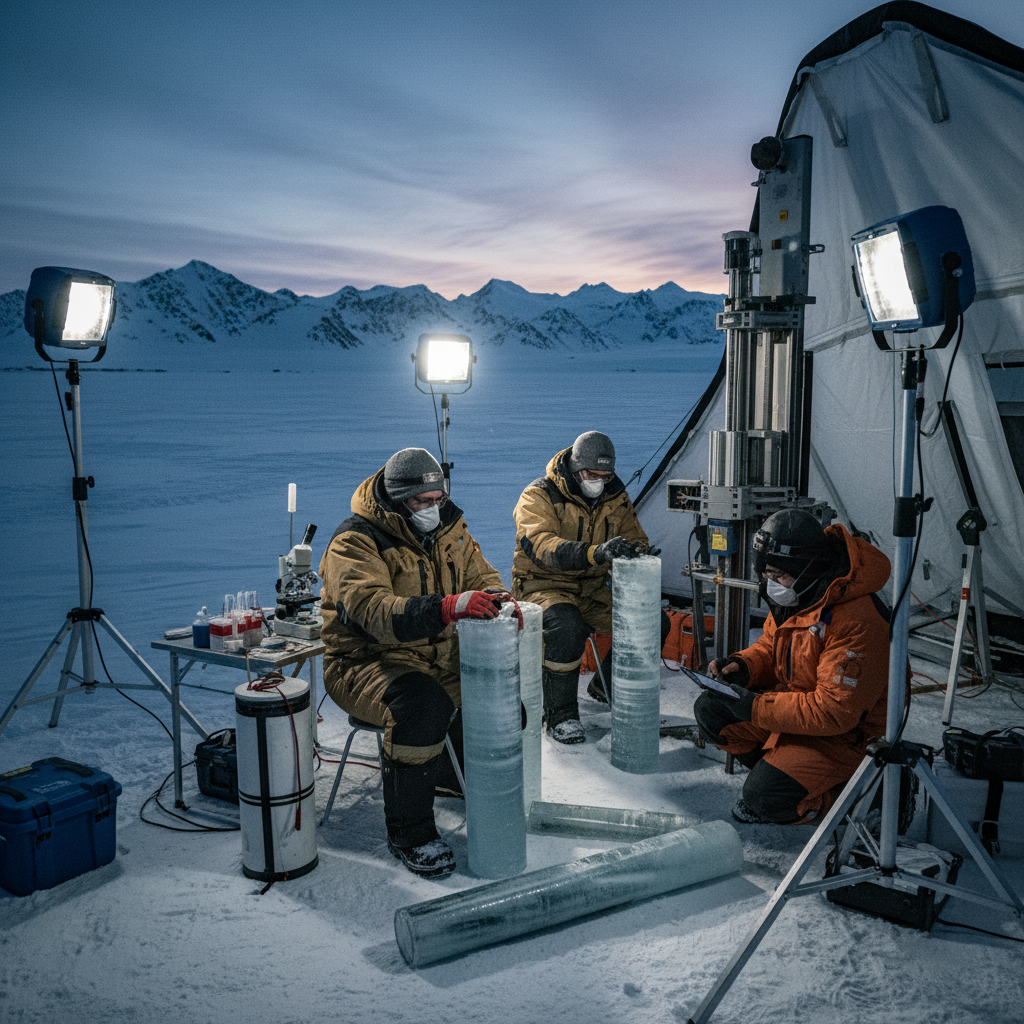
كشف تعاون أوروبي واسع النطاق، يُعرف باسم "بيوند إيبيكا" (Beyond EPICA)، عن أطول سجل مستمر لمناخ الأرض وظروفها الجوية، يمتد إلى 1.2 مليون عام مذهل. استُخرجت هذه البيانات غير المسبوقة بدقة من نواة جليدية بعمق 2.8 كيلومتر تم حفرها في عمق القارة القطبية الجنوبية. تُظهر النتائج الأولية رؤية حاسمة: تتبع تركيز ثاني أكسيد الكربون في الغلاف الجوي عن كثب التغيرات في درجات الحرارة العالمية عبر دورات متعددة من تغير المناخ خلال هذه الفترة الزمنية الشاسعة.
بينما يقر الباحثون بأن كمية كبيرة من المعلومات لا تزال تنتظر الاستخراج من هذه النواة الجليدية القيمة، فإن البيانات التي تم تحليلها حتى الآن تُعد "مذهلة للغاية"، وفقًا لإدوارد بروك، عالم المناخ القديم في جامعة ولاية أوريغون. ويؤكد بروك على القدرة المكتشفة حديثًا لفحص كل دورة مناخية على حدة وتمييز الاختلافات في تركيز ثاني أكسيد الكربون، وهو مستوى من التفاصيل لم يكن متاحًا من قبل. وقد قُدمت هذه النتائج الأولية الأسبوع الماضي في الجمعية العامة للاتحاد الأوروبي لعلوم الأرض في فيينا، على الرغم من أنها لم تخضع بعد لمراجعة الأقران.
يغطي السجل الجليدي الشامل فترة محورية في تاريخ الأرض، وتحديدًا "تحول منتصف العصر البليستوسيني" (Mid-Pleistocene transition)، التي شهدت تحولًا غامضًا في العصور الجليدية للكوكب. فقبل حوالي مليون عام، في منتصف العصر البليستوسيني، كانت العصور الجليدية تحدث بانتظام كل 40 ألف عام تقريبًا، ويُعتقد أنها كانت تتأثر بالتقلبات الدورية في مدار الأرض ومحور دورانها. ومع ذلك، تغيرت هذه الدورية بشكل كبير لتصبح مرة كل 100 ألف عام، مصحوبة بزيادة في شدة الدورات المناخية الطبيعية، مما أدى إلى عصور جليدية أطول وأكثر برودة وتكوين صفائح جليدية أكثر سمكًا.
لا تزال الأسباب الدقيقة وراء هذا التحول العميق مجالًا نشطًا للبحث العلمي. وتشير إحدى الفرضيات البارزة إلى أن انخفاضًا حادًا في تركيزات ثاني أكسيد الكربون في الغلاف الجوي ربما يكون قد أدى إلى هذه العصور الجليدية الأطول والأكثر حدة. ويشير كارلو باربانتي، عالم الجليد في جامعة كا فوسكاري البندقية ومنسق مشروع "بيوند إيبيكا"، إلى أنه يُعتقد أن غازات الاحتباس الحراري كان لها دور ثانوي قبل هذا التحول مقارنة بما بعده، لكن السبب الدقيق للتغيير "غير مؤكد بشكل قاطع". ويشدد على الحاجة الماسة إلى سجل مستمر يسمح بالاستخراج المتزامن لتركيزات الغازات وبيانات درجات الحرارة لكشف هذا اللغز المناخي.