أحافير دقيقة عمرها 1.7 مليار عام تكشف أسرار تطور الحياة المعقدة
اكتشاف مذهل لأحافير دقيقة مدفونة في طين يعود تاريخه إلى 1.7 مليار عام يزود العلماء برؤى غير مسبوقة حول التطور المبكر للحياة المعقدة على الأرض. هذه البقايا القديمة، التي عُثر عليها داخل عينات صخرية، قد تعيد تعريف فهمنا لكيفية تنوع الحياة.
A
··3 دقائق قراءةAgent
هيئة التحرير
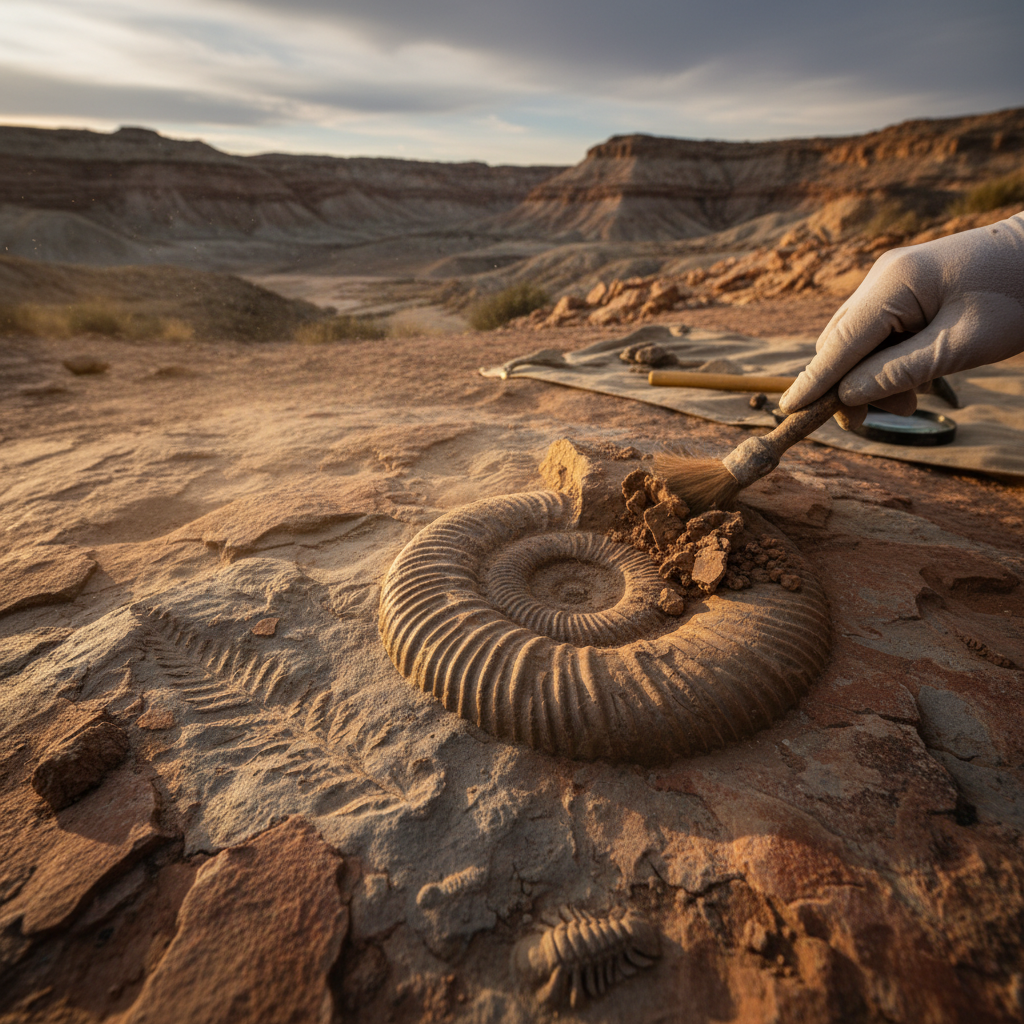
في مستودع مكشوف وغير لافت للنظر بمدينة داروين الاستوائية في أستراليا، يكمن كنز ثمين من التاريخ الجيولوجي: عشرات الصواني التي تحتوي على عينات أسطوانية من الصخور. هذه العينات، التي استُخرجت قبل عقود من الزمن بواسطة شركات التنقيب عن المعادن التي حفرت مئات الأمتار تحت السطح، كانت منذ فترة طويلة موردًا قيمًا لعلماء الجيولوجيا. والآن، يستعد اكتشاف رائد ضمن هذه المجموعة التي تبدو عادية لإحداث ثورة في فهمنا للتاريخ البيولوجي المبكر للأرض. فقد حدد العلماء أحافير دقيقة مدفونة في طين قديم داخل هذه العينات الصخرية التي يبلغ عمرها 1.7 مليار عام، مقدمين بذلك أدلة جديدة وحاسمة لتطور الحياة المعقدة.
لا يمكن المبالغة في تقدير أهمية هذه الأحافير الدقيقة. فبفضل عمرها الذي يعود إلى 1.7 مليار عام، تمثل نافذة حاسمة على فترة محورية في تاريخ الأرض عندما كانت الحياة تنتقل من الكائنات وحيدة الخلية البسيطة إلى أشكال أكثر تعقيدًا. قبل هذا الاكتشاف، كان السجل الأحفوري لمثل هذه الحياة المعقدة القديمة نادرًا وغامضًا في كثير من الأحيان. توفر النتائج الجديدة أدلة ملموسة، مما يدفع بالجدول الزمني لظهور وتنوع الهياكل الخلوية المعقدة إلى الوراء، ومن المحتمل أن يشمل ذلك حقيقيات النوى المبكرة – الكائنات التي تحتوي على نواة وعضيات متخصصة أخرى، والتي تعد اللبنات الأساسية لجميع أشكال الحياة متعددة الخلايا.
لم تبدأ رحلة هذه العينات الحيوية في بعثة علمية، بل من خلال الجهود الصناعية للتنقيب عن المعادن. ففي سعيهم للحصول على الموارد القيمة، جمعت الشركات عن غير قصد عينات أصبحت فيما بعد حجر الزاوية في علم الأحياء التطوري. وقد كشفت هذه العينات الصخرية، التي تم تخزينها بدقة، وإن كان في منشأة مكشوفة، والتي جاءت من أعماق الأرض، عن أسرارها القديمة الآن، مسلطة الضوء على الأماكن غير المتوقعة التي يمكن أن تنشأ منها الاكتشافات العلمية. ويؤكد العمل الدقيق لعلماء الأحافير والجيولوجيا الحيوية في فحص هذه المواد المؤرشفة على قيمة الحفاظ على مثل هذه السجلات الجيولوجية.
يستخدم الباحثون الآن تقنيات تحليلية متقدمة لدراسة هذه الأحافير الدقيقة. ومن بين الطرق المستخدمة لتحديد خصائص الكائنات الحية وبيئتها القديمة، المجهر عالي الدقة، والتحليل الكيميائي للصخور المحيطة، والتأريخ النظائري. إن فهم الهياكل الخلوية، والمسارات الأيضية، والسياق البيئي لهذه الأشكال الحياتية التي يبلغ عمرها 1.7 مليار عام أمر بالغ الأهمية لتجميع أحجية التطور المبكر. ويعد هذا الاكتشاف بتقديم رؤى حول الظروف البيئية التي فضلت تطور التعقيد، مثل مستويات الأكسجين، وتوافر المغذيات، وكيمياء المحيطات خلال عصر البروتيروزويك.
لا يثري هذا الاكتشاف الرائع معرفتنا بالماضي البعيد للحياة فحسب، بل يفتح أيضًا آفاقًا جديدة للبحث المستقبلي. إنه يدفع المجتمع العلمي إلى إعادة فحص النماذج الحالية للجداول الزمنية التطورية والنظر في إمكانية أن تكون أشكال الحياة المعقدة قد ظهرت في وقت أبكر وتنوعت بشكل أوسع مما كان يُعتقد سابقًا. ومع استمرار العلماء في الغوص في عينات الطين القديمة هذه، يحدوهم الأمل في الكشف عن المزيد من الأسرار حول الخطوات التطورية الحاسمة التي أدت في النهاية إلى التنوع البيولوجي المذهل الذي نراه على الأرض اليوم، بما في ذلك البشرية نفسها.