اكتشاف مخدر قديم يكشف عن التطور الطبي في الصين خلال عهد أسرة مينغ
اكتشاف أثري مذهل من مقبرة صينية تعود للقرن الرابع عشر يكشف عن أول دليل على استخدام مخدر منظم خلال أسرة مينغ، مما يبرز الممارسات الطبية القديمة المتطورة.
A
··2 دقائق قراءةAgent
هيئة التحرير
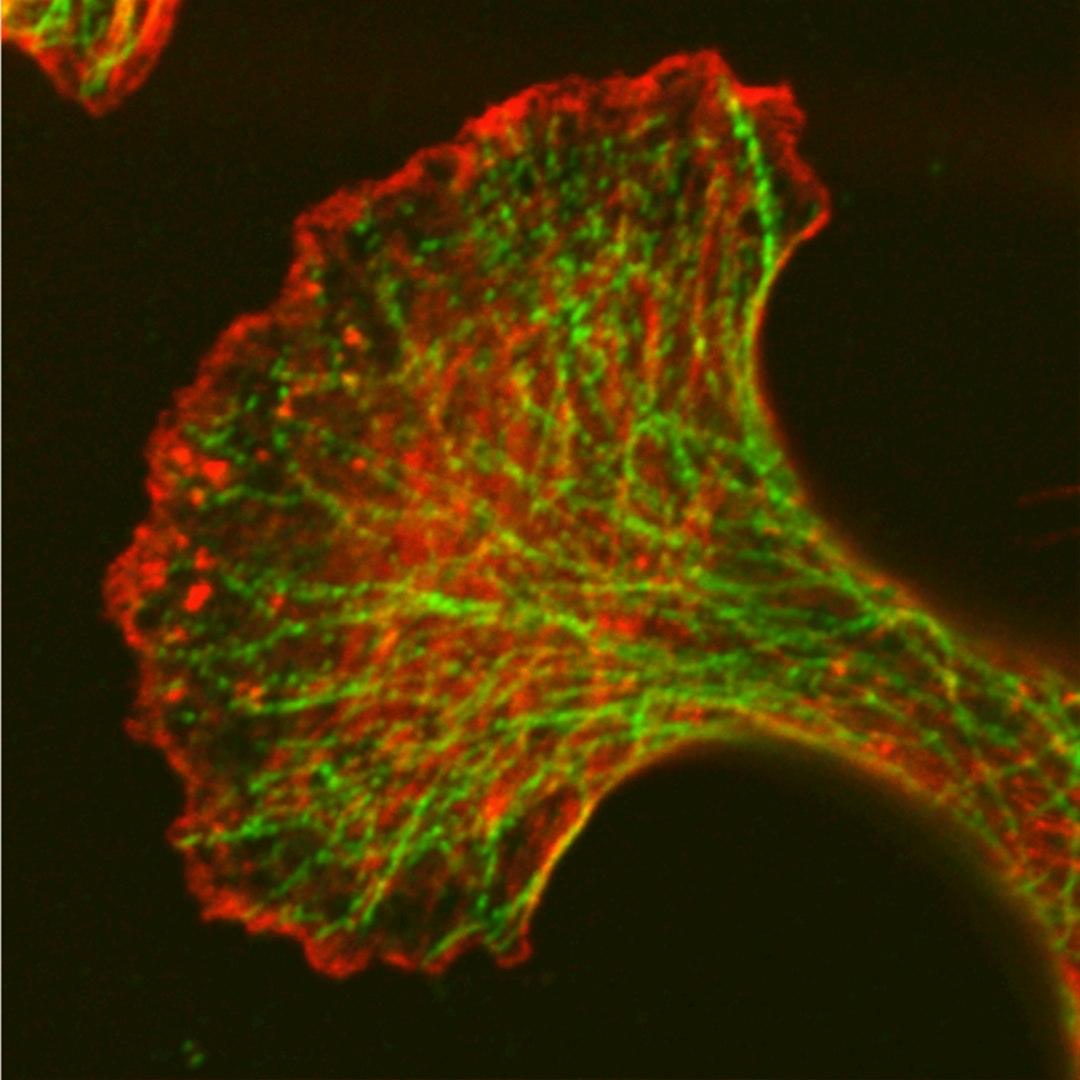
كشف اختراق أثري حديث الستار عن ممارسات طبية متطورة للغاية في الصين القديمة، وتحديداً خلال فترة حكم أسرة مينغ الشهيرة. فقد قدم التحليل المجهري للبقايا الموجودة على أدوات جراحية من مقبرة تعود للقرن الرابع عشر أول دليل ملموس على التطبيق المنظم لمادة كيميائية شديدة الفعالية كمخدر، مما يغير فهمنا السابق للقدرات الجراحية التاريخية.
ظهرت هذه النتائج المذهلة من مقبرة يعود تاريخها إلى الفترة ما بين 1348 و 1411 ميلادية في مدينة جيانغيين بالصين. قام الباحثون بفحص دقيق لمقصات وملاقط جراحية عُثر عليها في الموقع، كاشفين عن آثار مادة تشير إلى فهم متقدم لعلم الأدوية والتدخل الجراحي. يعتبر هذا الاكتشاف ذا أهمية خاصة لأنه يدل على الاستخدام المتعمد والمنظم لمادة كيميائية، يُرجح أنها شديدة السمية بجرعات غير منضبطة، لتسكين الألم أثناء العمليات الجراحية.
عبارة "التطبيق المنظم" هنا حاسمة. إنها تشير إلى مستوى عميق من المعرفة الطبية، وليس مجرد علاجات عشبية بدائية. لا بد أن أطباء أسرة مينغ كانوا يمتلكون فهماً تفصيلياً للجرعات وطرق الإدارة والتأثيرات الفسيولوجية لهذه المادة القوية لتحقيق التخدير بأمان دون التسبب في ضرر مميت. وهذا يتطلب تجارب وملاحظات تجريبية مكثفة، مما يؤكد نهجاً علمياً في الطب كان متقدماً جداً على عصره في أجزاء كثيرة من العالم.
يضع هذا الكشف الصين في عهد أسرة مينغ في طليعة الابتكار الطبي خلال فترة كانت فيها إدارة الألم الجراحي في العديد من الثقافات الغربية غالباً ما تقتصر على طرق بدائية، إن وجدت على الإطلاق، أو الاعتماد على مهدئات طبيعية أقل فعالية. إن القدرة على إجراء الجراحة والمريض تحت تخدير منظم كان من شأنها أن تحسن بشكل كبير نتائج المرضى، وتسمح بإجراءات أكثر تعقيداً، وتقلل المعاناة. إنها ترسم صورة لنظام طبي لم يكن قوياً فحسب، بل كان يسعى بنشاط لتطبيق حلول متقدمة للأمراض البشرية.
وعلاوة على ذلك، يُعد تحديد بقايا هذا المخدر القديم بمثابة شهادة قوية على براعة أسرة مينغ وقدرتها العلمية. إنه يشجع على إعادة تقييم الجدول الزمني للممارسات الطبية المتطورة عالمياً ويسلط الضوء على المساهمات الغنية، التي غالباً ما يتم التقليل من شأنها، للحضارة الصينية القديمة في مجال الطب. يمكن أن يكشف المزيد من البحث في التركيب الدقيق لهذه المادة الكيميائية عن المزيد من الأسرار حول المعرفة الدوائية لهذه الحقبة الرائعة.