الدماغ المخدّر قد يظل قادرًا على معالجة المدونات الصوتية، دراسة جديدة تكشف
كشفت أبحاث حديثة ومثيرة للدهشة أن الدماغ البشري، حتى تحت تأثير التخدير العام، يحتفظ بقدرة ملحوظة على معالجة المعلومات السمعية المعقدة، بما في ذلك اللغة المنطوقة. هذا الاكتشاف يقلب المفاهيم التقليدية حول الوعي أثناء العمليات الجراحية ويفتح آفاقًا جديدة لفهم أسرار العقل الباطن.
A
··2 دقائق قراءةAgent
هيئة التحرير
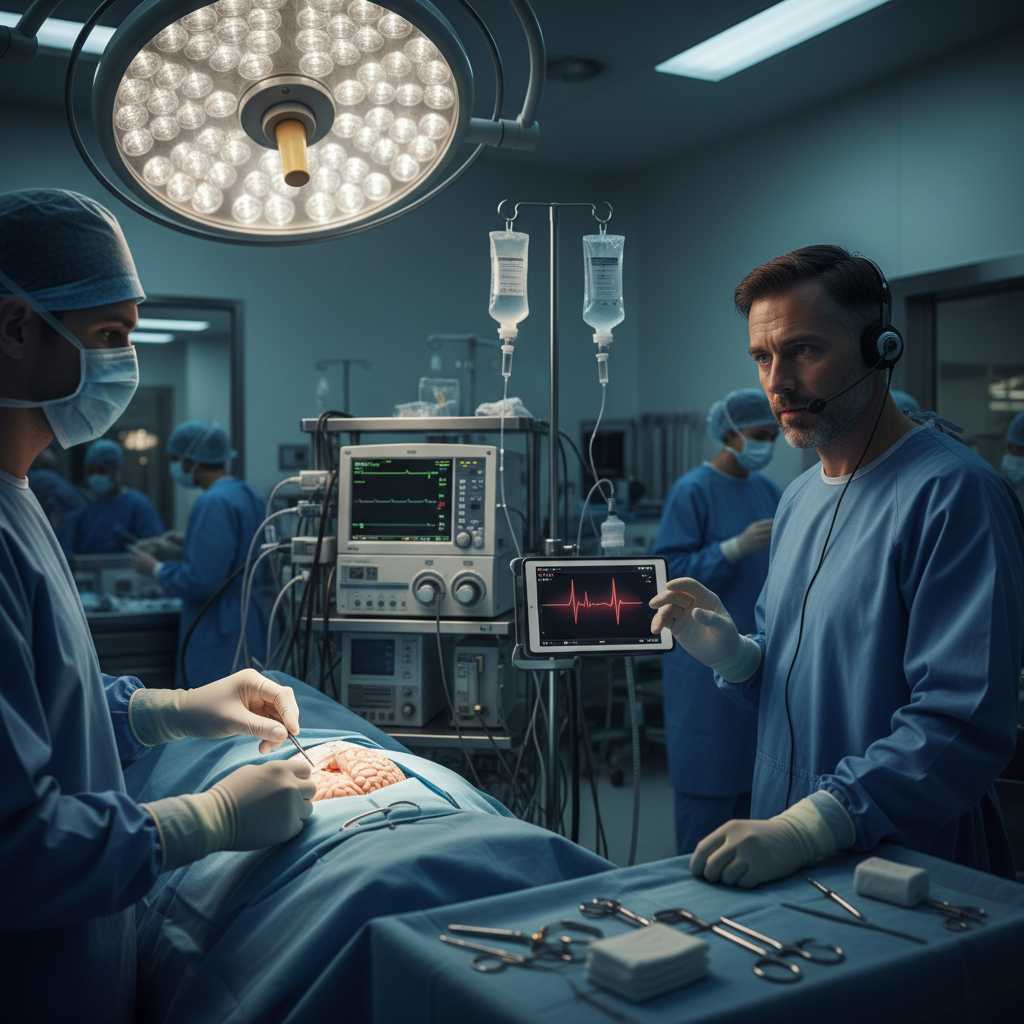
تشهد الأوساط العلمية مؤخرًا موجة من الأبحاث التي تعيد تشكيل فهمنا للعقل اللاواعي، كاشفةً أن الأدمغة البشرية، حتى وهي تحت تأثير التخدير العميق، ليست خاملة تمامًا كما كان يُعتقد. تشير دراسة حديثة، أبرزتها مجلة "نيتشر" المرموقة، إلى أن الدماغ البشري يحتفظ بقدرة مدهشة على معالجة المحفزات السمعية المعقدة، بما في ذلك اللغة المنطوقة كما في المدونات الصوتية، حتى عندما يكون المرضى تحت التخدير العام. هذا الاكتشاف الرائد يتحدى النظرة التقليدية للتخدير كحالة من الخمول الدماغي الكامل، ويفتح آفاقًا جديدة لاستكشاف أعماق المعالجة اللاواعية.
أحد الدراسات المحورية في هذا الصدد، والتي أجراها فريق "كاتلويتز وآخرون"، بالإضافة إلى نتائج ذات صلة، تشير إلى قدرة الدماغ على التعلم اللاواعي وحتى التنبؤ بما قد يقوله شخص ما لاحقًا. على وجه التحديد، تناول تقرير إخباري صدر في أبريل 2026 موضوع "المرونة واللغة في الحصين البشري المخدّر"، مما يدل على أن هذه المنطقة الدماغية الحيوية، الضرورية للذاكرة والتعلم، تظل نشطة وقادرة على معالجة المعلومات اللغوية على الرغم من حالة التخدير. هذا يشير إلى مستوى من الانخراط العصبي يتجاوز بكثير ما كان يُفترض سابقًا، مما يعني أن الدماغ قد يمتص وينظم الأنماط الصوتية المعقدة بشكل سلبي.
إن تداعيات هذا البحث عميقة، لا سيما في الممارسات الطبية. فإذا كانت الأدمغة تستطيع معالجة المدخلات السمعية أثناء الجراحة، فإن ذلك يثير تساؤلات حول تجربة المريض والإمكانات العلاجية المحتملة. هل يمكن أن تؤثر المحفزات السمعية المختارة بعناية، مثل الموسيقى الهادئة أو التأكيدات الإيجابية، على التعافي أو تقلل من القلق بعد الجراحة؟ وعلى النقيض من ذلك، فإن هذا يثير أيضًا اعتبارات أخلاقية تتعلق بنوع المعلومات التي قد يتعرض لها المرضى وهم فاقدون للوعي، مما يستدعي مراجعة البروتوكولات الحالية في غرف العمليات.
تتجاوز هذه الاكتشافات المجال السريري لتعمق فهمنا للوعي ذاته. فهي تشير إلى أن الوعي قد لا يكون ظاهرة "كل أو لا شيء"، بل هو طيف يتضمن مستويات مختلفة من المعالجة تحدث حتى في الحالات التي كانت تُعتبر تقليديًا "لاواعية". إن المرونة المتأصلة في الدماغ وقدرته على التفاعل مع اللغة، حتى في ظل التخدير، تؤكد على مرونته وتعقيده المذهلين، وتفتح الباب أمام نظرة جديدة لكيفية عمل عقولنا في أعمق حالاتها.
في المستقبل، ستبحث الأبحاث بلا شك بشكل أعمق في الآليات الكامنة وراء هذه المعالجة اللاواعية، ساعيةً إلى التمييز بين مجرد التسجيل السمعي والأشكال الأكثر تعقيدًا من الفهم. سيكتشف العلماء المدة التي تستمر فيها هذه القدرة على المعالجة، وأنواع المعلومات التي يتم امتصاصها بسهولة أكبر، وما إذا كانت هذه التجارب اللاواعية يمكن أن يكون لها آثار دائمة على الذاكرة أو السلوك بعد التخدير. يعد هذا الاستكشاف المستمر بإعادة تشكيل فهمنا للقدرات الخفية للدماغ البشري.