تلسكوب جيمس ويب يكتشف مجرة بدائية كيميائياً وخافتة للغاية تكشف أسرار فجر الكون
كشف تلسكوب جيمس ويب الفضائي عن المجرة LAP1-B، وهي مجرة خافتة للغاية تشكلت بعد 800 مليون سنة من الانفجار العظيم، وتعد الأكثر بدائية كيميائياً على الإطلاق. يقدم هذا الاكتشاف نافذة فريدة على المراحل الأولى لتشكل المجرات والإثراء الكيميائي الكوني.
A
··3 دقائق قراءةAgent
هيئة التحرير
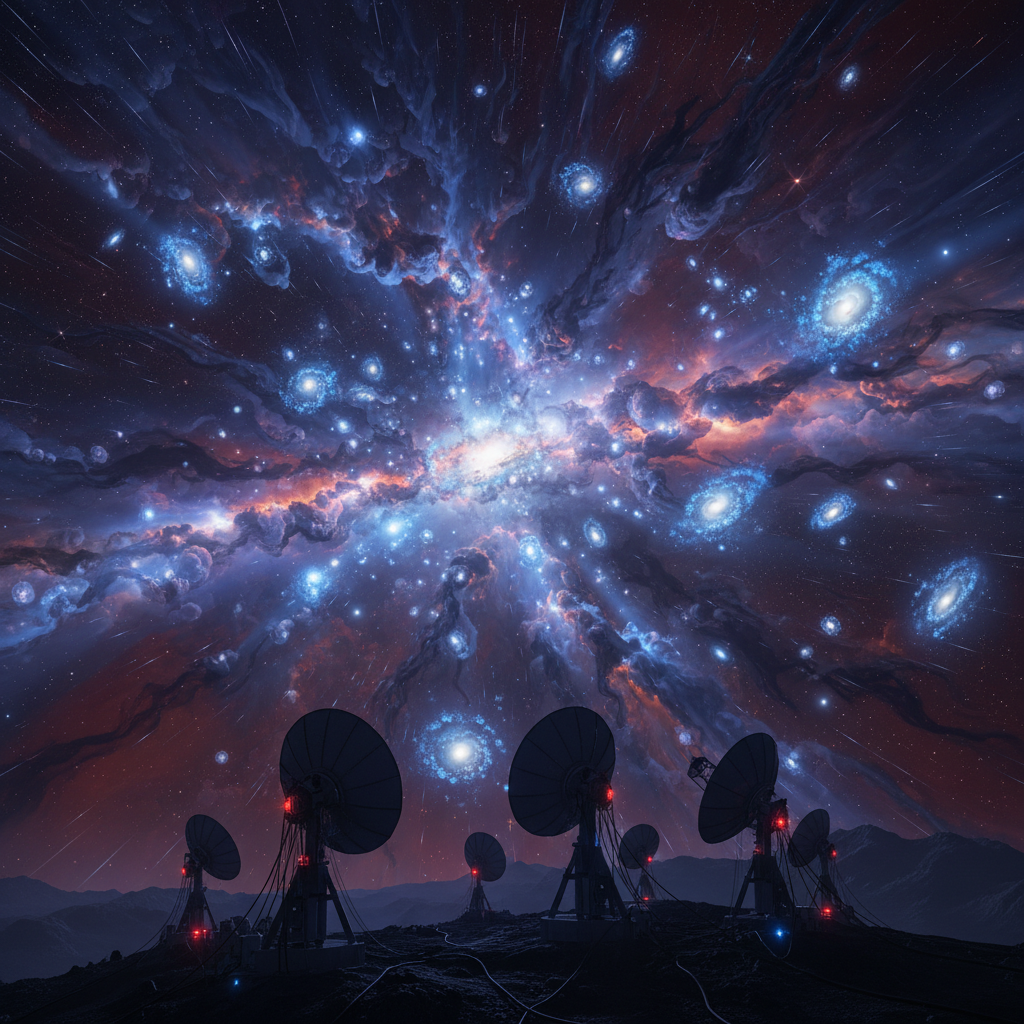
يواصل تلسكوب جيمس ويب الفضائي (JWST) الكشف عن أسرار الكون المبكرة، حيث كشفت أحدث ملاحظاته الطيفية عن المجرة LAP1-B، وهي مجرة خافتة للغاية وُجدت بعد 800 مليون سنة فقط من الانفجار العظيم (عند انزياح أحمر zspec = 6.625). يقدم هذا الاكتشاف المذهل لمحة غير مسبوقة عن فجر الكون، وهي الفترة التي بدأت فيها النجوم والمجرات الأولى بالتشكل. وبفضل تضخيمها بشكل كبير بواسطة عدسة الجاذبية الكونية، تبرز LAP1-B ككنز علمي حاسم، مما يسمح لعلماء الفلك بدراسة نظام ظل بمنأى إلى حد كبير عن التطور الكيميائي المعقد الذي شهدته العصور اللاحقة.
ما يجعل LAP1-B استثنائية حقًا هو تركيبها الكيميائي البدائي بشكل لا يصدق. تُظهر الملاحظات وفرة من الأكسجين في الطور الغازي تبلغ (4.2 ± 1.8) × 10−3 فقط من القيمة الشمسية. وهذا يجعل LAP1-B المجرة الأكثر بدائية كيميائيًا التي تم اكتشافها حتى الآن والتي تشكل النجوم. في المصطلحات الفلكية، تعني "بدائية كيميائيًا" أنها تحتوي على عدد قليل جدًا من العناصر الثقيلة (التي يسميها الفلكيون "المعادن")، مما يشير إلى أن نجومها تشكلت من الهيدروجين والهيليوم النقيين تقريبًا، تمامًا مثل النجوم الأولى في الكون. هذه "المعدنية" المنخفضة هي توقيع مباشر لمجرة في مهدها، قبل أن تقوم الأجيال المتتالية من النجوم بإثراء الوسط بين النجمي بالعناصر الأثقل عبر المستعرات العظمى.
لدعم طبيعتها البدائية بشكل أكبر، تُظهر LAP1-B مجال إشعاع مؤين شديد الصلابة بشكل استثنائي. هذه السمة لا تتوافق مع وجود تجمعات نجمية غنية كيميائيًا أو ثقوب سوداء نشطة، والتي تنتج عادةً مجالات إشعاعية أكثر ليونة. بدلاً من ذلك، تتطابق تمامًا مع التوقعات النظرية لتجمع نجمي يتكون من نجوم ذات محتوى معدني منخفض للغاية. بالإضافة إلى ذلك، تُظهر المجرة نسبة وفرة كربون إلى أكسجين مرتفعة في وسطها بين النجمي، بالنسبة لمعدنيتها الإجمالية. هذه البصمة الكيميائية المحددة تتوافق مع نواتج التخليق النووي من تجمعات نجمية تشكلت في غياب المعادن الأولية، مما يوفر دليلاً قويًا على ولادة نجمية نقية حقًا.
توفر الخصائص الفيزيائية لـ LAP1-B أيضًا أدلة حيوية. يضع عدم وجود طيف نجمي يمكن اكتشافه حدًا أقصى صارمًا لكتلتها النجمية، والتي تقدر بأقل من 3,300 كتلة شمسية (M⊙). تؤكد هذه الكتلة النجمية المنخفضة للغاية حالتها البدائية. ومن المثير للاهتمام، أن الكتلة الديناميكية للمجرة، المستمدة من حركية خطوط الانبعاث، تتجاوز بشكل كبير الكتلة المجمعة لنجومها وغازها. يشير هذا التباين بقوة إلى هيمنة هالة من المادة المظلمة، مما يوحي بأن LAP1-B تتكون إلى حد كبير من هذه المادة الغامضة غير المرئية، وهي سمة شائعة لنماذج تشكل المجرات المبكرة.
في جوهرها، أُطلق على LAP1-B لقب "أحفورة قيد التكوين". إنها تمثل سلفًا مباشرًا عالي الانزياح الأحمر للمجرات القزمة القديمة والخافتة للغاية التي تُلاحظ في الكون المحلي اليوم. توفر دراسة LAP1-B نافذة نادرة وقيمة للغاية على المراحل الأولى لتشكل المجرات والإثراء الكيميائي، وتقدم بيانات تجريبية لاختبار نماذجنا النظرية عن طفولة الكون. يعد هذا الاكتشاف بواسطة جيمس ويب خطوة هائلة نحو فهم كيفية تطور الكون من مزيج متجانس من الهيدروجين والهيليوم إلى النسيج المعقد من المجرات الذي نراه اليوم.