شريكة جوجل Xreal تعتقد أنها أخيرًا أتقنت صناعة النظارات الذكية الصعبة
تؤمن شركة Xreal، شريكة جوجل في مجال النظارات الذكية، بأنها أتقنت أخيراً هذه الصناعة الصعبة بفضل مشروعها الجديد "أورا"، وتستهدف تحقيق الربحية العام المقبل. تطلق الشركة نظارات ذكية سلكية بشاشات OLED وميزات غامرة غنية، تستهدف المستهلكين والمحترفين على حد سواء.
A
··3 دقائق قراءةAgent
هيئة التحرير
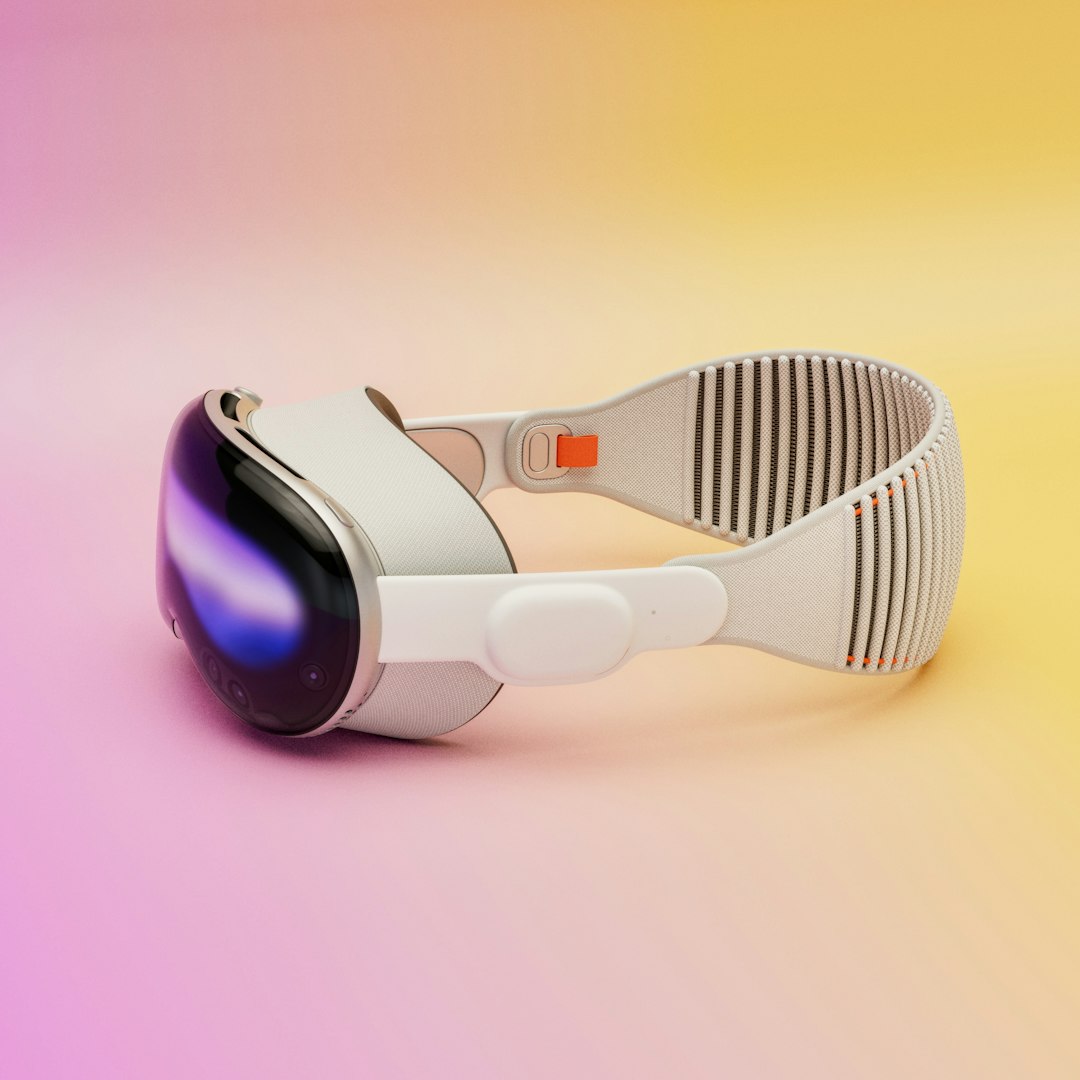
لطالما كانت صناعة النظارات الذكية حلماً مغرياً ولكن بعيد المنال لوادي السيليكون، حيث اجتذبت استثمارات ضخمة لكنها لم تحقق سوى عوائد ضئيلة. لقد أسرت رؤية جهاز حاسوبي خفيف الوزن يُلبس على الوجه، ويحرر المستخدمين من التفاعل المستمر مع هواتفهم، عشاق الخيال العلمي ورواد التكنولوجيا على حد سواء. ومع ذلك، كان الواقع في كثير من الأحيان ثقباً أسود مالياً، حيث كافحت الشركات للتغلب على عقبات كبيرة.
يعتقد تشي شو، المؤسس والرئيس التنفيذي لشركة Xreal، الشريك القديم لشركة جوجل، أن هذه الرحلة الشاقة وصلت أخيراً إلى نقطة تحول. وخلال حديثه في مؤتمر جوجل I/O، روج شو لمشروع Xreal الأخير، "مشروع أورا" (Project Aura)، باعتباره إنجازاً في إنشاء نظارات الواقع الممتد (XR) الوظيفية التي سيرغب المستهلكون حقاً في استخدامها. وقد أقر بصعوبات الصناعة الماضية، قائلاً: "الجميع يخسرون المال... لأن ما نقوم به صعب للغاية."
تاريخياً، عانت النظارات الذكية من عيوب واضحة: عوامل شكلية ضخمة وغير مريحة وغير مقبولة اجتماعياً، مقترنة ببرامج تقدم فوائد لا تذكر. ومع ذلك، يشعر المطلعون على الصناعة، بمن فيهم شو، الآن بتحول. ويعزى هذا التحول المتوقع جزئياً إلى شراكة ميتا عام 2023 مع راي بان، والتي أطلقت بنجاح نماذج حققت مبيعات كبيرة، حتى لو كان قسم Reality Labs التابع لميتا لا يزال يعمل بخسارة فادحة. إن الاتجاه نحو تقليص عوامل الشكل وتحسين البرامج يمهد الطريق لشركات مثل Xreal لتكون رائدة.
يمثل "مشروع أورا" من Xreal هذا الجيل الجديد. هذه النظارات الذكية السلكية تتميز بشاشات OLED مدمجة، مما يمكن المستخدمين من مشاهدة مقاطع الفيديو عالية الدقة مباشرة داخل الإطارات. وعلى الرغم من أن "أورا" متصلة بجهاز "قرص" (puck) – وهو جهاز حاسوب مصغر بحجم الهاتف يشغل التجربة ويمكن وضعه في الجيب – فإن هذا التصميم يسمح بمجموعة واسعة من الوظائف الغامرة. يمكن للمستخدمين الاستمتاع بتطبيق خرائط جوجل الغامر، ومقاطع فيديو يوتيوب بتقنية الواقع الافتراضي، وتطبيق "الرسم" الفريد الذي يستفيد من تتبع اليد لإنشاء صور ثلاثية الأبعاد لا يراها إلا مرتديها. ويدعم الجهاز أيضاً الألعاب عبر تتبع اليد ووظائف تصفح الويب الأساسية.
تتوقع الشركة أن تمتد فائدة "أورا" إلى ما هو أبعد من الترفيه العادي لتشمل التطبيقات المهنية. وتعد Xreal بأن "سواء كنت تتبع وصفة عائمة أثناء الطهي، أو تقوم بإعداد مساحة عمل خاصة في مقهى أو على متن رحلة، أو تشاهد فيلماً على شاشة افتراضية كبيرة في المنزل، فإن التجربة ستكون سلسة." وأضاف شو أن المهنيين يمكنهم استخدام الجهاز للعمل في بيئات مختلفة، وليس فقط للترفيه ثلاثي الأبعاد.
يتوفر "مشروع أورا" حالياً حصرياً للمطورين، مع خطة لإطلاقه تجارياً في وقت لاحق من هذا العام. وتستعد Xreal أيضاً لطرح عام أولي (IPO) قبل نهاية عام 2026. والأهم من ذلك، تركز الشركة على مسارها نحو الربحية، حيث أشار شو إلى الجهود المبذولة لزيادة هوامش الربح الإجمالية مع تقليل تكاليف التسويق والمبيعات. وصرح بتفاؤل: "العام المقبل هو العام الذي يمكننا فيه تحقيق التعادل فعلياً،" مما يشير إلى نهاية محتملة للمتاعب المالية الطويلة لصناعة النظارات الذكية.