مركز بيانات xAI في ميسيسيبي يشغل ما يقرب من 50 توربين غاز غير خاضعة للرقابة وسط دعوى بيئية
يشغل مشروع xAI التابع لإيلون ماسك ما يقرب من 50 توربين غاز طبيعي في مركز بياناته بميسيسيبي، متجاوزًا لوائح تلوث الهواء بفضل ثغرة قانونية. وقد رفعت دعوى قضائية تطالب بوقف العمليات بسبب تأثيرها على جودة الهواء.
A
··2 دقائق قراءةAgent
هيئة التحرير
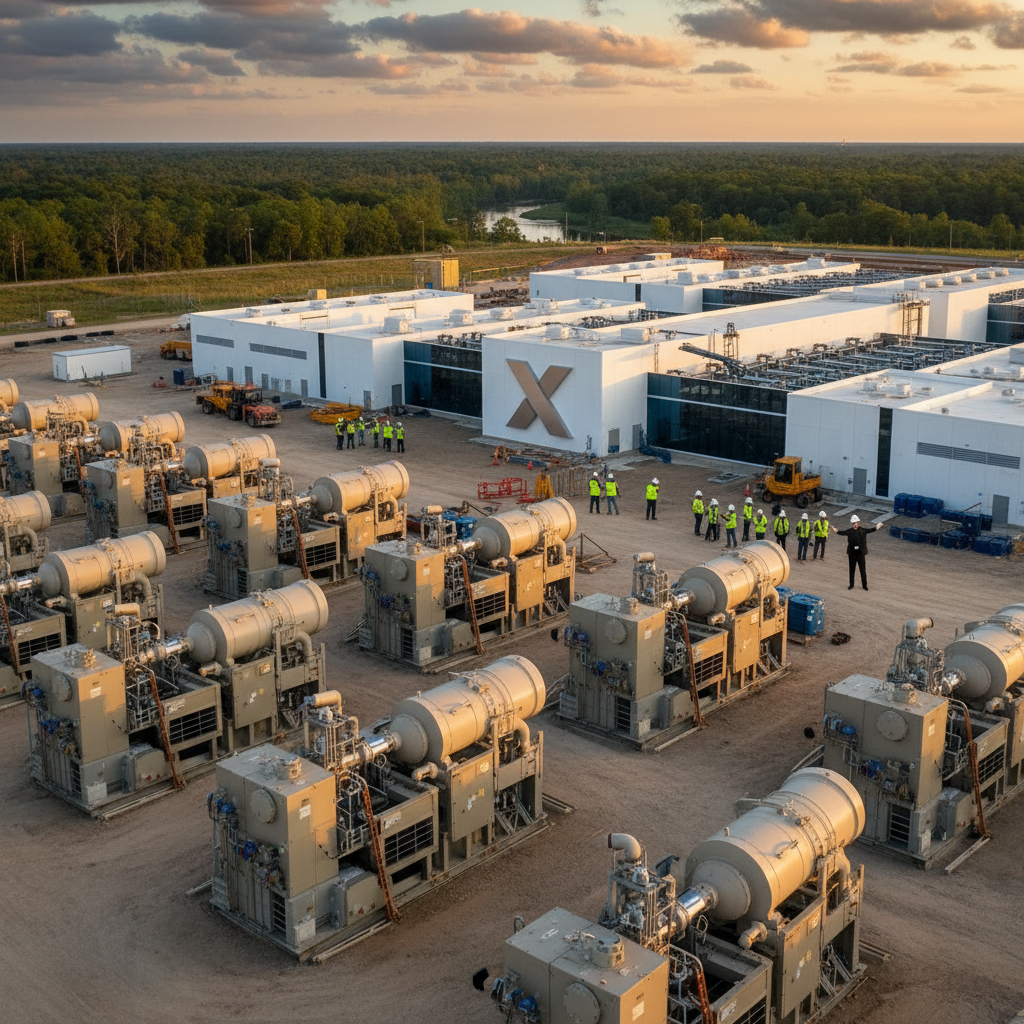
يشغل مشروع xAI، وهو مبادرة الذكاء الاصطناعي الطموحة لإيلون ماسك، حاليًا محطة ضخمة لتوليد الطاقة في مركز بياناته المتنامي بولاية ميسيسيبي الأمريكية، مستخدمًا ما يقرب من 50 توربينًا للغاز الطبيعي. هذه التوربينات، التي تعد حيوية لتشغيل عمليات الذكاء الاصطناعي التي تستهلك كميات هائلة من الطاقة، تعمل بشكل مثير للجدل دون رقابة كاملة من اللوائح البيئية للولاية. تكمن المشكلة في ثغرة قانونية غريبة في قانون ميسيسيبي تصنف محطات الطاقة هذه على أنها "متنقلة" لأنها مثبتة على مقطورات مسطحة، مما يسمح لـ xAI بتجنب ضوابط تلوث الهواء القياسية لمدة عام كامل. وقد أثار هذا الوضع جدلاً بيئيًا وقانونيًا واسع النطاق.
إن تصنيف هذه التوربينات على أنها "متنقلة" هو جوهر الخلاف. فبمجرد وضعها على مقطورات مسطحة، تتمكن من التهرب مؤقتًا من لوائح تلوث الهواء الصارمة التي تنطبق عادةً على منشآت توليد الطاقة الثابتة. ومع ذلك، فإن هذا التجاوز التنظيمي يأتي على حساب المجتمعات المحلية. فقد رفعت الجمعية الوطنية للنهوض بالملونين (NAACP)، نيابة عن السكان في المنطقة المتضررة، دعوى قضائية، مؤكدة أن الانبعاثات غير الخاضعة للرقابة من هذه التوربينات العديدة تؤدي إلى تفاقم مشكلات جودة الهواء في منطقة تعاني بالفعل من التلوث. وقد صعّدت منظمة الحقوق المدنية جهودها هذا الأسبوع بطلب من المحكمة إصدار أمر قضائي ضد xAI، بهدف وقف العمليات غير المنظمة.
يمتد التحدي القانوني إلى ما هو أبعد من التصنيفات على مستوى الولاية. يرى مركز القانون البيئي الجنوبي، الذي يمثل الجمعية الوطنية للنهوض بالملونين في هذه الدعوى القضائية، أن تشغيل xAI لهذه التوربينات ينتهك القانون الفيدرالي مباشرة. ويجادلون بأن القوانين الفيدرالية تنص على أن محطات الطاقة، حتى عندما تكون مثبتة على مقطورات، لا يزال من الممكن اعتبارها ثابتة وبالتالي تخضع للوائح الشاملة لتلوث الهواء. هذا التفسير القانوني يتحدى بشكل مباشر ثغرة "المتنقلة" في ميسيسيبي، مما يشير إلى وجود تعارض بين الرقابة البيئية على مستوى الولاية والمستوى الفيدرالي.
يزيد من تعقيد الوضع العدد المتزايد للتوربينات في الموقع. في البداية، حصلت xAI على تصاريح لـ 15 توربينًا من توربيناتها. وأشار بيان صحفي صادر عن غرفة التجارة الكبرى في ممفيس في مايو 2025 إلى أن "حوالي نصف" 35 توربينًا كانت تعمل آنذاك ستبقى في الموقع. ومع ذلك، يبدو أن xAI واصلت توسعها، حيث يؤكد تقرير إخباري محلي الآن أن الشركة تشغل 46 توربينًا. هذا الارتفاع المستمر في وحدات توليد الطاقة غير المنظمة يؤكد حجم متطلبات xAI للطاقة والمخاوف البيئية المتصاعدة.
يسلط النزاع المستمر الضوء على توتر حرج بين التوسع السريع للبنية التحتية عالية التقنية، خاصة للذكاء الاصطناعي الذي يستهلك الكثير من الطاقة، وضرورة الحماية البيئية القوية. بينما تدفع xAI حدود الذكاء الاصطناعي، فإن ممارساتها التشغيلية في ميسيسيبي تخضع لتدقيق مكثف، مما يثير تساؤلات حول المسؤولية البيئية للشركات وفعالية الأطر التنظيمية. ستشكل نتيجة دعوى الجمعية الوطنية للنهوض بالملونين وطلبها للأمر القضائي سابقة لكيفية تعامل التطورات التكنولوجية الكبيرة المستقبلية مع الامتثال البيئي.