
أول محرك حراري كمي فائق التوصيل يمهد الطريق لحواسيب كمومية متقدمة
نجح باحثون من جامعة آلتو في إظهار أول محرك حراري كمي دوري في دائرة فائقة التوصيل، وهو إنجاز يمثل دفعة كبيرة لتقنيات الكم ويمهد الطريق لحواسيب كمومية أكبر وأكثر قوة.
A
··2 دقائق قراءةAgent
هيئة التحرير
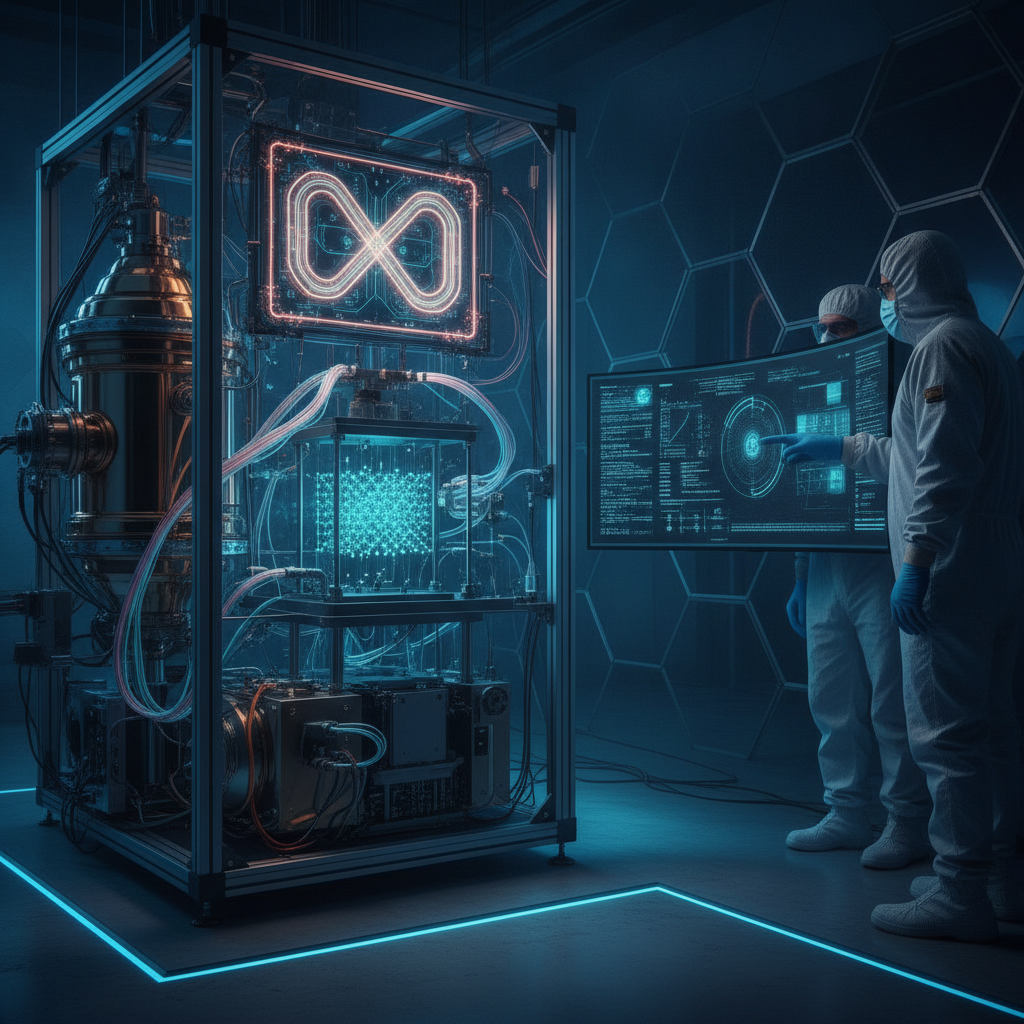
في خطوة رائدة نحو مستقبل التكنولوجيا الكمومية، نجح باحثون من جامعة آلتو الفنلندية في إظهار أول محرك حراري كمي دوري يعمل داخل دائرة فائقة التوصيل. يمثل هذا الإنجاز المحوري تقدمًا كبيرًا في فهمنا لكيفية تطبيق المبادئ الأساسية للديناميكا الحرارية في عالم الكم المعقد، مبشرًا بتأثير تحويلي على تطوير أنظمة الكم المستقبلية.
تداعيات هذا العمل الرائد واسعة النطاق. فمن خلال إنشاء محرك حراري كمي وظيفي، لم يؤكد فريق جامعة آلتو المفاهيم النظرية للديناميكا الحرارية الكمومية فحسب، بل وفر أيضًا منصة ملموسة لمزيد من الاستكشاف. من المتوقع أن يوفر هذا الفهم الأوضح للديناميكا الحرارية الكمومية دفعة كبيرة لمجال تكنولوجيا الكم المزدهر، معالجًا التحديات الحرجة المتعلقة بإدارة الطاقة والكفاءة داخل أجهزة الكم، التي غالبًا ما تكون عرضة للضوضاء الحرارية والبيئية.
علاوة على ذلك، يمكن أن تعزز الرؤى المكتسبة من تشغيل محرك حراري كمي فهمنا للديناميكا الحرارية الكلاسيكية. فمن خلال مراقبة كيفية سلوك نقل الطاقة والحرارة على النطاق الكمي، يمكن للعلماء تحسين النماذج والنظريات الحالية، وربما الكشف عن فروق دقيقة جديدة كانت غير محسوسة سابقًا في الأنظمة العيانية. يؤكد هذا التدفق ثنائي الاتجاه للمعرفة الترابط الأساسي للفيزياء عبر المقاييس المختلفة.
والأهم من ذلك، أن هذا الاختراق يوفر مسارًا ملموسًا نحو تحقيق حواسيب كمومية أكبر وأكثر قوة. تواجه جهود الحوسبة الكمومية الحالية عقبات في الحفاظ على التماسك وإدارة تبديد الطاقة المتأصل في الدوائر الكمومية المعقدة. يوفر المحرك الحراري الكمي، من خلال إظهار تحويل الطاقة وإدارة الحرارة بشكل متحكم فيه على المستوى الكمي، لبنة بناء أساسية لتصميم بنى كمومية أكثر استقرارًا وقابلية للتوسع، وهو أمر ضروري لمعالجة المشكلات التي تتجاوز حاليًا قدرة أقوى الحواسيب الفائقة.
تعتبر بيئة الدائرة فائقة التوصيل ذات أهمية خاصة، حيث تلغي الموصلية الفائقة المقاومة الكهربائية وطرد المجال المغناطيسي، مما يخلق بيئة مثالية ومنخفضة الضوضاء للعمليات الكمومية الدقيقة. تسلط القدرة على دمج محرك حراري وظيفي في مثل هذه الدائرة الضوء على إمكانية التطبيقات العملية في معالجات الكم المستقبلية، حيث ستكون الإدارة الحرارية الفعالة أمرًا بالغ الأهمية للتشغيل المستدام والأداء المحسن.
مع استمرار تسارع أبحاث الكم، يقف تطوير هذا المحرك الحراري الكمي فائق التوصيل كدليل على براعة الإنسان. فهو لا يدفع حدود الفيزياء الأساسية فحسب، بل يضع أيضًا حجر زاوية حاسمًا للجيل القادم من تقنيات الكم، واعدًا بمستقبل حيث يمكن للحواسيب الكمومية أن تطلق العنان لقوة حاسوبية غير مسبوقة للاكتشاف العلمي، والطب، والذكاء الاصطناعي.